Security agencies in Mombasa have launched investigations and arrested 16 suspects in a series of mob attacks triggered by false claims that individuals are losing their genitals after being contacted by strangers.
Authorities say the allegations, which have spread rapidly on social media platforms and through word of mouth, have fuelled panic in parts of the county, leading to several innocent people being assaulted by angry crowds.
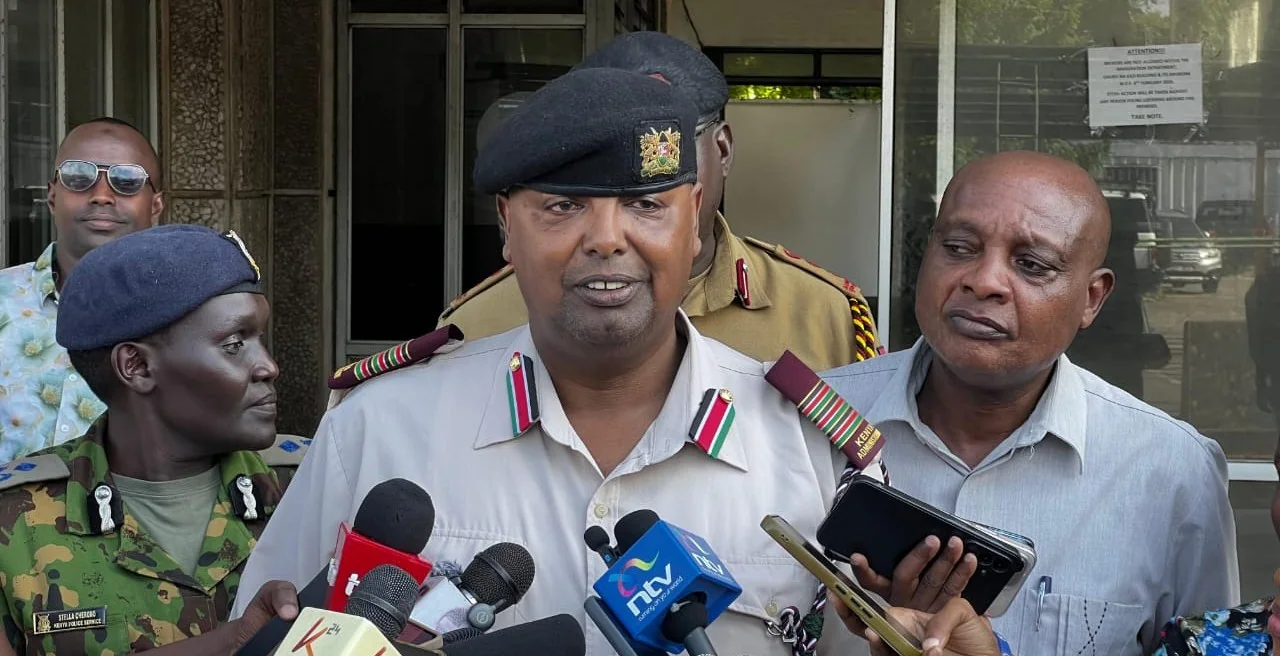
Mombasa County Commissioner Mohamed Noor said investigations conducted so far have found no evidence that any victim had actually lost their genital organs despite widespread rumours circulating across the county.
He said one of the latest incidents occurred in Likoni, where a man claimed to have lost his private parts before being taken to the hospital for examination.
"The doctors examined him and confirmed that he was physically fine. No one has the power to make another person's organs disappear. These stories are creating unnecessary fear and anxiety among residents," Mohamed said.
The Commissioner linked the incidents to criminal gangs seeking to exploit public fear to commit robberies and other crimes.
According to Mohamed, the trend began around the Likoni Ferry crossing before spreading to Kongowea market, Marikiti market and parts of Mombasa town.
"We have established that some criminals are using these allegations to incite crowds, attack innocent people and create confusion so that they can steal from residents and business owners," he said.
 Passengers on a ferry at the Likoni crossing. (Photo: Courtesy)
He cited an incident at Kongowea Market where a man was seriously injured after being accused of causing another person's genitals to disappear.
"We have obtained videos of individuals involved in assaulting innocent people. Anyone captured attacking another person will be arrested and prosecuted. No one has the right to take the law into their own hands," Mohamed warned.
He added that officers from the Directorate of Criminal Investigations (DCI) were reviewing footage from various incidents to identify suspects involved in the attacks.
The Commissioner also cautioned against individuals spreading unverified information online in pursuit of social media popularity.
"Purported content creators are spreading these rumours simply to attract views and attention. We will pursue those responsible because such misinformation can easily lead to loss of life," he said.
Mombasa County Police Commander Stello Cherono echoed the warning, urging residents to report suspected crimes to law enforcement agencies rather than resorting to violence.
"I want to appeal to members of the public to remain vigilant but not harm others based on unverified claims. If someone believes they have been wronged, they should report the matter to the police so that investigations can be conducted," Cherono said.
She noted that incidents had been reported in Likoni, Nyali and Mombasa town, where members of the public attacked individuals before establishing the facts.
"Many of those joining these attacks do not even know what happened. They simply follow the crowd and participate in the violence. No one has the authority to enforce the law through unlawful means," she added.
Cherono confirmed that at least three suspects had already been arrested in connection with separate incidents in Likoni, Nyali and Mombasa town, while investigations into other reported cases were ongoing.
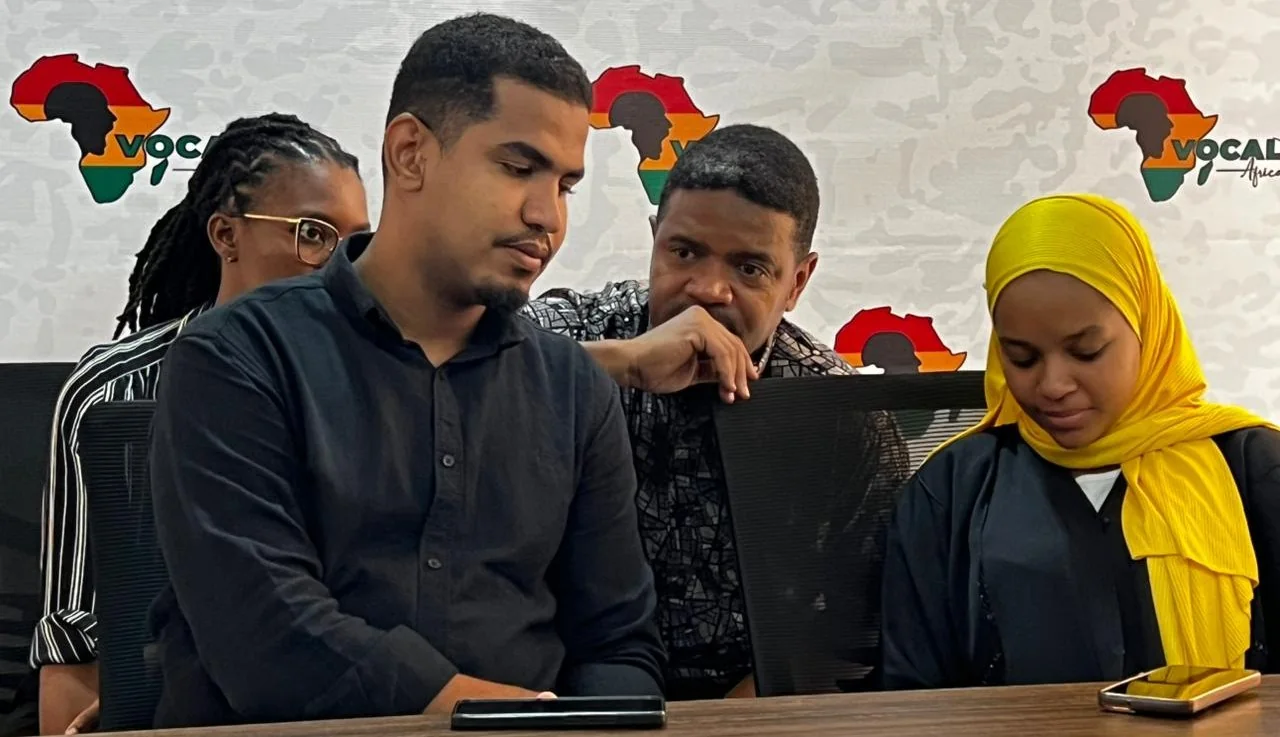
Human rights organisation Vocal Africa also joined calls for calm, describing the claims as unfounded and dangerous.
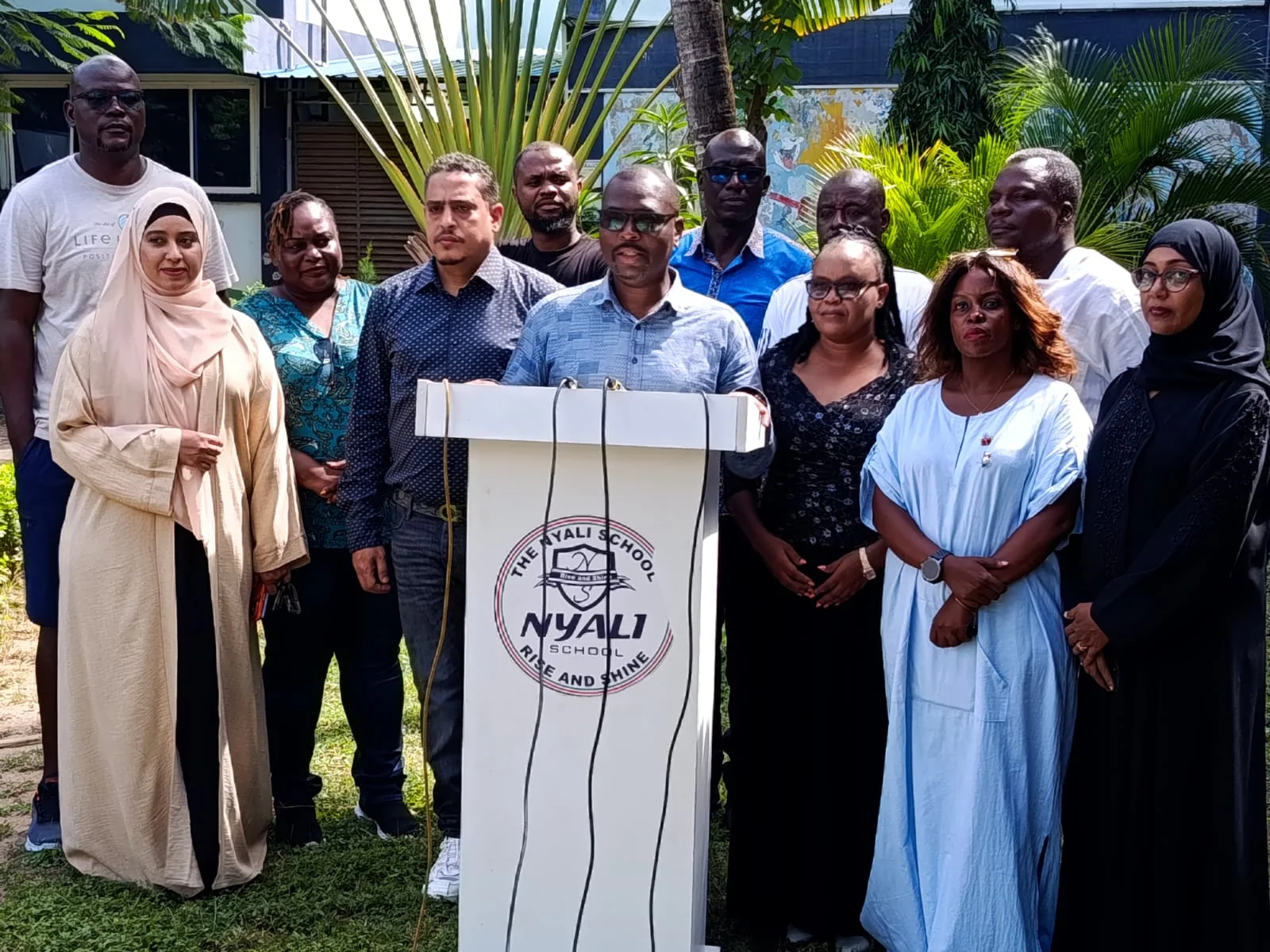
Its Executive Director, Hussein Khalid, said his organisation had held discussions with security officials and established that none of the alleged victims had provided proof that they had lost their genital organs.
"The most disturbing aspect of this issue is that innocent people are being beaten and left with serious injuries because of rumours. Security agencies have indicated that criminal gangs may be exploiting these claims to trigger violence," Hussein said.
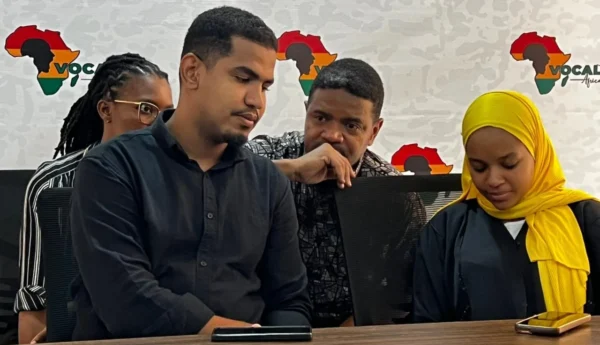 Vocal Africa activists led by Executive Director Hussein Khalid. (Photo: Farhiya Hussein)
He urged religious leaders to stop spreading unverified stories, including claims that prayers could restore supposedly missing body parts.
"Religious leaders should not assist in spreading misinformation. They have a responsibility to promote facts and help prevent crime, not fuel fear within communities," he said.
Vocal Africa activist Walid Sketty described the allegations as a new tactic being employed by criminal gangs to target unsuspecting victims.
"The information available so far shows no scientific or medical evidence supporting claims that anyone's genital organs have disappeared. What we are seeing is a criminal scheme designed to provoke public anger and create opportunities for theft," he said.
Walid said the gangs appear to profile potential victims before making accusations that attract crowds and create confusion.
"We are urging residents not to become instruments of criminals. If a crime occurs, it should be reported to the nearest police station rather than handled through mob justice," he added.
Community activist Alice Katunda warned residents against falling victim to individuals claiming they could restore allegedly missing organs through prayers or traditional remedies.
"This is a scam, and it is not true. People should remain alert and report criminal incidents to the police instead of seeking help from fraudsters," she said.
Another activist, Sumeya Jamal, called on young people to avoid being lured into criminal activities despite economic hardships.
"The economy may be difficult, but we should not become desperate. People must seek lawful ways of earning a living and avoid schemes that endanger others," she said.
The warnings come amid growing concern over a series of mob attacks across Mombasa County, with authorities maintaining that no verified case of disappearing genital organs has been reported and urging residents to rely on medical examinations and police investigations rather than rumours circulating on social media.
































Comments
Sign in with Google to comment, reply, and like comments.
Continue with Google