Kenya’s ambitious fiscal plans for the 2026/27 financial year could face significant implementation challenges.
This is according to economists at the Institute of Economic Affairs (IEA-Kenya), who now warn that the government’s budget projections are overly optimistic and risk undermining fiscal stability, service delivery and economic growth.
In its Alternative Budget 2026/27 analysis, the think tank argues that the National Treasury’s revenue and expenditure assumptions do not adequately reflect prevailing economic realities, including slowing economic growth, rising inflationary pressures and persistent weaknesses in revenue collection.
The Institute contends that a more conservative fiscal approach is necessary to ensure budget credibility and sustainable development outcomes.
The concerns emerge as the government projects economic growth of 4.9 per cent in 2026, down from an earlier forecast of 5.3 per cent. The revision follows a slowdown in economic expansion to 4.6 per cent in 2025 from 4.7 per cent in 2024.
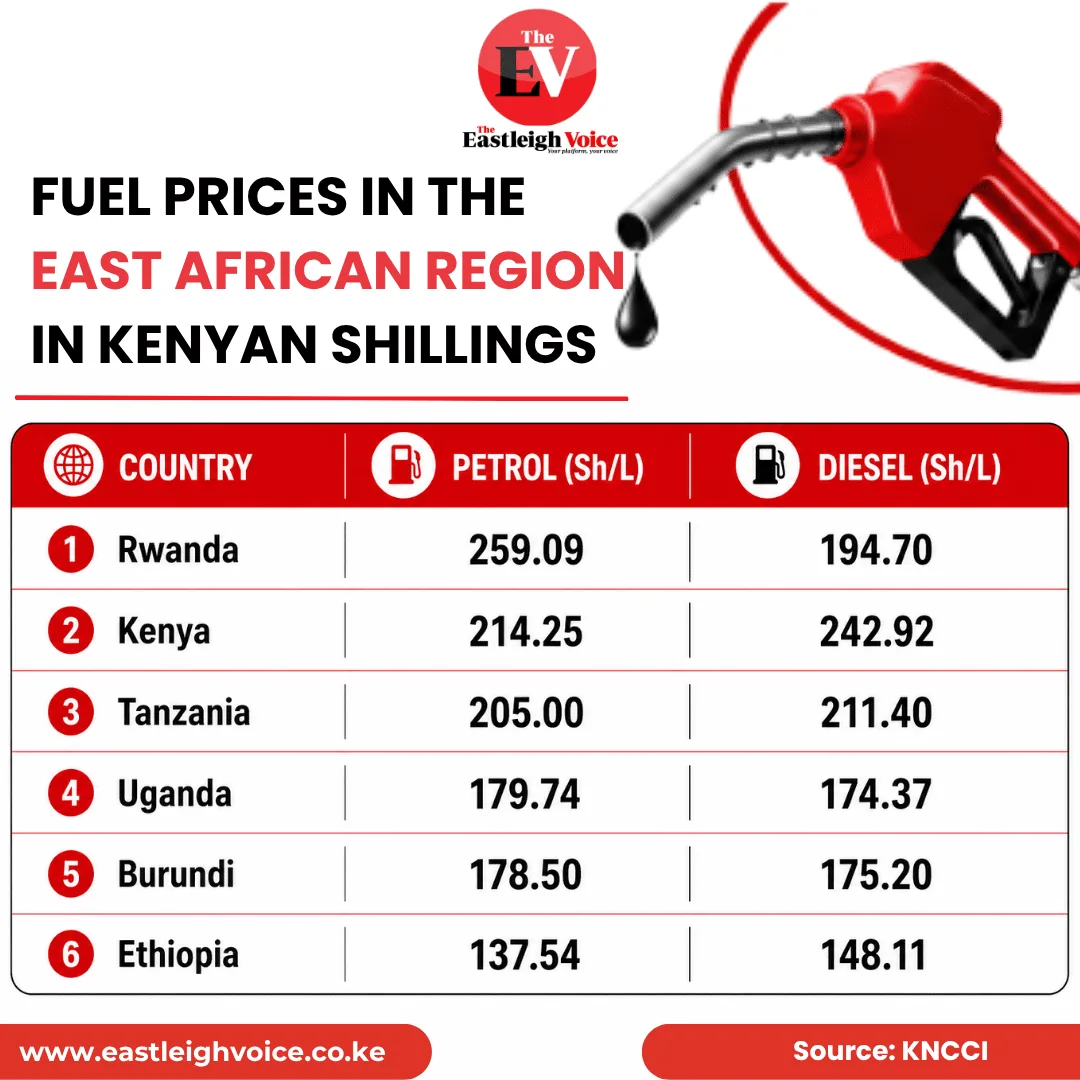
At the same time, inflation rose from 5.6 per cent in April to 6.7 per cent in May this year, driven largely by higher food and energy prices linked to both domestic pressures and geopolitical tensions in the Middle East.
According to the IEA, these economic conditions make the Treasury’s revenue expectations difficult to achieve.
The government estimates total revenue collections of Sh3.7 trillion in the 2026/27 fiscal year, comprising Sh3 trillion in ordinary revenue and Sh644 billion in Appropriations-in-Aid.
However, the Institute projects a lower revenue outturn of Sh3.3 trillion, citing historical trends that show actual collections have repeatedly fallen short of budget targets.
“The current fiscal projections are overly ambitious and risk widening financing gaps, undermining budget credibility and service delivery,” the IEA said.
“Overly optimistic revenue projections lead to persistent revenue shortfalls, which result in widening of fiscal deficit, potentially forcing the government to seek additional borrowing from the domestic or international markets to bridge the financing gap.”
The Institute further notes that key tax bases are weakening. It reckons that growth in formal wage employment has steadily declined over the past three years, limiting expansion of personal income tax collections.
Corporate profitability also remains under pressure from high operating costs, expensive borrowing and subdued private sector investment, factors that could weigh on corporate income tax revenues.
Private consumption, a major driver of value-added tax and excise duty collections, has also slowed significantly.
Notably, consumption growth declined from 13 per cent in the 2022/23 financial year to eight per cent in 2024/25, reflecting the impact of elevated living costs, higher taxation and shrinking household disposable incomes.
The report further points to increasing economic activity within the informal sector, where tax compliance remains relatively low. On expenditure, the IEA argues that the current budget structure continues to favour recurrent spending at the expense of development investments that drive long-term growth.
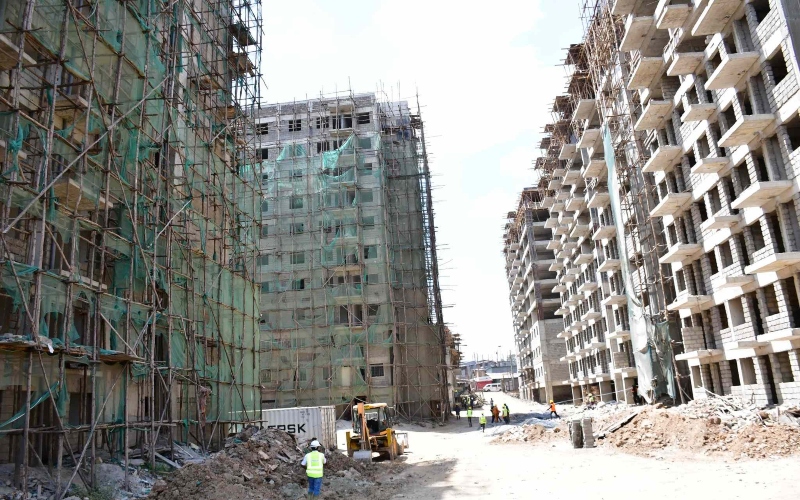
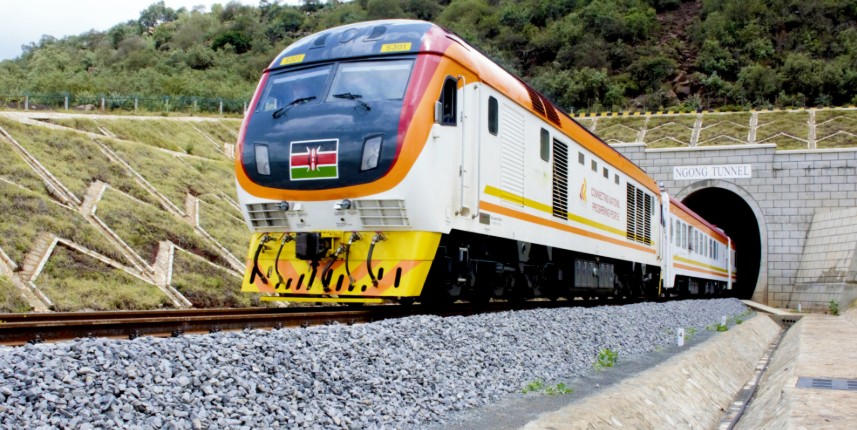
While the Treasury projects a development expenditure share of 29.8 per cent, the Institute proposes reducing recurrent spending by Sh145 billion and redirecting resources towards infrastructure, energy and logistics projects.
Under its alternative scenario, development expenditure would account for 33.8 per cent of total spending.
The think tank also expresses concern over the government’s planned fiscal deficit financing of Sh1.14 trillion. It notes that the deficit exceeds projected development expenditure by 26.5 per cent, suggesting that part of the borrowed funds could be used to finance recurrent expenditure, contrary to the principles outlined in the Public Finance Management Act.
The report further highlights the growing wage bill, which is projected to rise from Sh657 billion in 2025/26 to Sh721 billion in 2026/27.
The increase represents nearly 21 per cent of recurrent expenditure and limits the government’s flexibility to allocate resources towards development priorities, debt reduction and improved public services.
“Lower projections for development expenditure often signal doubt about the government’s capacity to implement projects at the scale announced,” the IEA noted as it pointed to historical underperformance in project execution across several ministries and agencies.
To address these challenges, the Institute recommends anchoring revenue forecasts on realistic macroeconomic assumptions, broadening the tax base rather than imposing additional burdens on existing taxpayers, and gradually reducing the corporate tax rate from 30 per cent towards the regional average of 27 per cent.
It also calls for stricter fiscal rules, wage bill containment measures and reforms aimed at improving efficiency within state corporations.
Despite its reservations, the IEA supports increased funding for education and health, arguing that both sectors remain critical to the success of the government’s Bottom-Up Economic Transformation Agenda (BETA).
Investments in competency-based education, technical training, universal health coverage and primary healthcare infrastructure, it says, will be essential in building a productive workforce and supporting long-term economic growth.


























Comments
Sign in with Google to comment, reply, and like comments.
Continue with Google