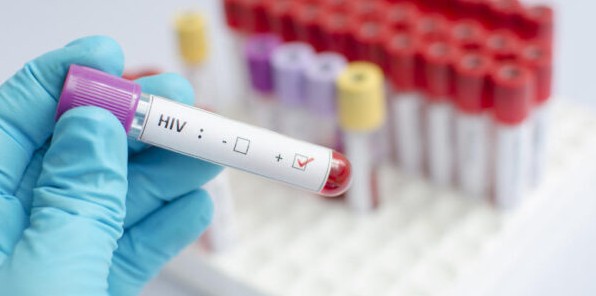
About 100,000 Kenyans living with HIV out of 1.48 million people carrying the virus do not know they have it, a new report shows.
According to Kenya’s HIV Estimates 2026, adults aged 15 years and above account for more than 1.41 million of those living with HIV, while 69,330 are children aged between zero and 14 years.
The report also shows that HIV prevalence among adults aged 15 to 49 rose to 3.22 per cent in 2026 from 3.03 per cent in 2025, even as new infections and AIDS-related deaths declined.
The report indicates that 93 per cent of people living with HIV have been diagnosed, leaving about 100,000 people unaware of their status. Researchers identified the proportion of undiagnosed people as the strongest factor linked to new infections across counties, noting that areas with more people who do not know they are living with HIV record higher numbers of new cases.
“A person who does not know they have HIV cannot start treatment, cannot suppress their viral load, and cannot protect their partners,” reads the report.
Despite the increase in the number of people living with HIV, annual new infections fell to 13,936 in 2026 from 19,991 in 2025. Adult infections declined from 15,642 to 10,540, while child infections dropped from 4,349 to 3,396 during the same period.
AIDS-related deaths also reduced from 21,007 in 2025 to 19,434 in 2026, while prevention of mother-to-child transmission coverage improved to 91.1 per cent from 90.07 per cent. The mother-to-child transmission rate also fell to 8.0 per cent from 9.26 per cent.
The report further raised concern over people who know they are HIV positive but have not started antiretroviral treatment (ART). Factors such as stigma, fear, denial, transport costs, partner opposition and failure to link patients to care after diagnosis were cited as barriers to treatment.
“Their viral load is unsuppressed. They are almost as infectious as someone who has never been tested,” the report warns.
Children remain among the most affected by treatment gaps. Of the 12,912 children aged up to four years living with HIV, only 5,876 are receiving ART, translating to coverage of 46 per cent. This means more than half of HIV-positive children in this age group are not on treatment.
Among children aged five to nine years, 13,886 out of 21,779 are on ART, representing 64 per cent coverage. For those aged 10 to 14 years, only 21,576 of the 34,640 children living with HIV are receiving treatment, giving a coverage rate of 62 per cent.
The report notes that this age group often transitions from caregiver-managed treatment to self-management, a shift that appears to be leaving many children behind.
Treatment coverage rises to 88 per cent among adolescents aged 15 to 19 years. However, more than 5,000 young people in this age bracket are still not receiving treatment. Of the 44,123 adolescents living with HIV, 38,990 are on ART.
Among adults aged between 20 and 49 years, ART coverage ranges between 90 and 93 per cent, while those aged 50 years and above have coverage of 95 per cent. The report attributes this to older adults being more likely to interact with health facilities for other long-term illnesses and routine testing services.
The report identifies nine counties where the number of undiagnosed people is at least five percentage points higher than expected based on HIV prevalence levels.
Marsabit, Wajir, Mandera, Garissa and Samburu were singled out for having relatively low HIV prevalence but large numbers of people who remain unreached because of long distances to health facilities, low health facility density, cultural resistance to testing and stigma.
In Mandera, Wajir and Garissa, the report notes that men continue to avoid HIV testing in what it describes as “high-stigma counties”, with the consequences reflected in rising mortality figures.
Kilifi, Kericho, Nandi, Laikipia and Busia were also highlighted as counties where high numbers of undiagnosed people are directly linked to infection trends. The report notes that many men continue to learn their HIV status late, begin treatment late or fail to start treatment altogether.
One in every 10 men who test positive never begins treatment.
The HIV care cascade among men stands at 90-88-80, meaning 90 per cent know their status, 88 per cent of those diagnosed are on treatment, and 80 per cent of those on treatment have achieved viral suppression.
For women, the figures stand at 96-96-92.
The report further shows that men die from AIDS-related illnesses at an estimated rate of more than 18 per 1,000, compared to less than 10.6 per 1,000 among women. Only three per cent of men have attended routine HIV testing through antenatal care settings over the last decade.































Comments
Sign in with Google to comment, reply, and like comments.
Continue with Google