Kenya’s Affordable Housing Programme has come under renewed scrutiny. This was after a new corruption risk assessment identified significant governance weaknesses that could undermine the initiative’s ability to deliver affordable and transparent housing solutions for citizens.
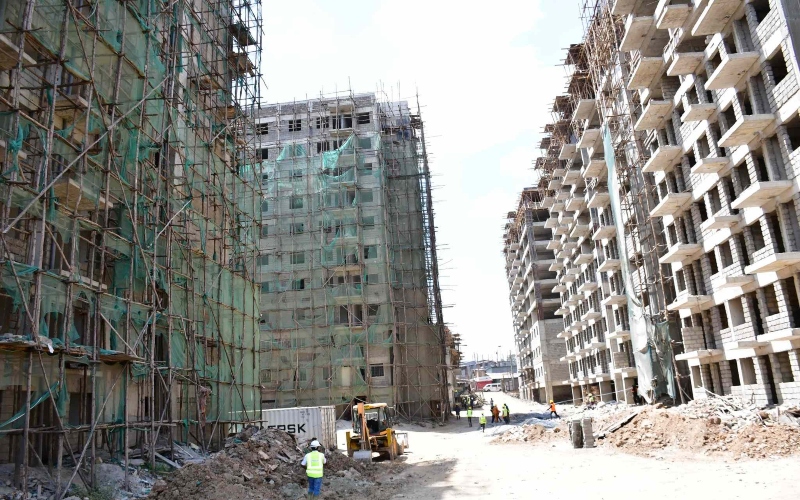
The study by Transparency International, which examined some of the country’s flagship infrastructure projects, found that affordable housing developments in Vihiga and Kiambu face moderately high corruption risks stemming from gaps in documentation, procurement processes, public participation and oversight.
The findings add to growing concerns over whether the programme, a key pillar of the government’s economic agenda, is currently structured to effectively meet the housing needs of ordinary Kenyans.
According to the assessment, the Vihiga Affordable Housing Project scored 3.56 out of 5.0 on the corruption risk scale, while the Kiambu Civil Servants Housing Scheme recorded a score of 3.24 out of 5.
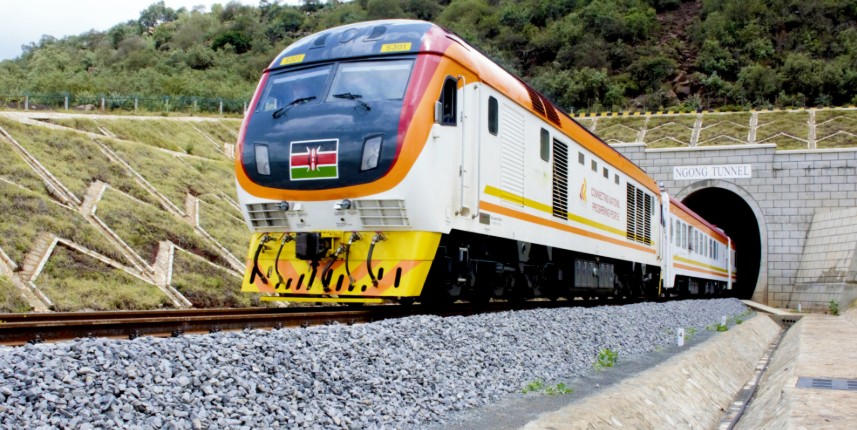
Although lower than the Standard Gauge Railway’s score of 4.49, both housing projects were flagged for governance vulnerabilities that could affect transparency, accountability and value for money.
The report highlights missing critical project documentation, including Environmental Impact Assessments, feasibility studies and Bills of Quantities.
TI reckons that such gaps raise questions about whether housing projects are being implemented based on sufficient technical, financial and environmental assessments, while also limiting public scrutiny of project costs and expected outcomes.
Concerns have also been raised over the programme’s financing model and whether it adequately addresses the country's most pressing housing challenges.
Another major concern identified in the report is the quality of public participation.
Researchers found that community engagement often takes place after projects have already commenced rather than during the planning and design stages.
This, the report argues, weakens citizen oversight and limits opportunities for local communities to influence projects intended to serve them.
The assessment also identifies potential conflicts of interest in procurement, including concerns over restricted supply chains and the possibility of vested interests influencing contractor selection.
Combined with limited oversight and unclear project selection criteria, these weaknesses contributed to the elevated risk ratings recorded in the housing projects.
“The high corruption risks identified in projects like the SGR underscore the need for transparency, accountability, and public participation to be embedded at every stage of infrastructure planning and implementation,” TI Kenya Executive Director Sheila Masinde said.
“Without urgent reforms, we risk losing billions of public resources while failing to deliver meaningful benefits to citizens.”
The report also assessed the Standard Gauge Railway, which emerged as the highest-risk project among the surveyed projects due to limited transparency in financing arrangements, opaque procurement processes, weak accountability mechanisms and inadequate public participation.
To address the broader governance concerns, the report recommends greater disclosure of contracts and project information, stronger public participation frameworks, stricter procurement standards, independent oversight mechanisms and full compliance with environmental and social safeguard requirements.
It argues that such reforms will be essential if major infrastructure projects, including affordable housing, are to deliver meaningful benefits and restore public confidence.
































Comments
Sign in with Google to comment, reply, and like comments.
Continue with Google