Bacteria found in soil have been discovered to produce a powerful cocktail of antibiotics capable of killing multidrug‑resistant bacteria, a breakthrough that scientists say could help reshape the global fight against antimicrobial resistance and offer hope for the development of longer‑lasting treatments.
Researchers identified a large cluster of genes in a common soil bacterium that enables the production of multiple antibiotic compounds working together to attack dangerous bacteria. The discovery raises hopes of creating new antibiotics that pathogens may struggle to outsmart.
The findings come at a time when antibiotic resistance is increasingly recognised as one of the world’s most urgent health threats. As bacteria evolve to survive existing medicines, once‑treatable infections are becoming harder and sometimes impossible to cure.
Scientists estimate that antibiotic‑resistant infections could contribute to nearly 39 million deaths globally between 2025 and 2050 if effective interventions are not developed. Health experts have repeatedly warned that without new treatments, routine medical procedures and treatment of common infections could become significantly more dangerous.
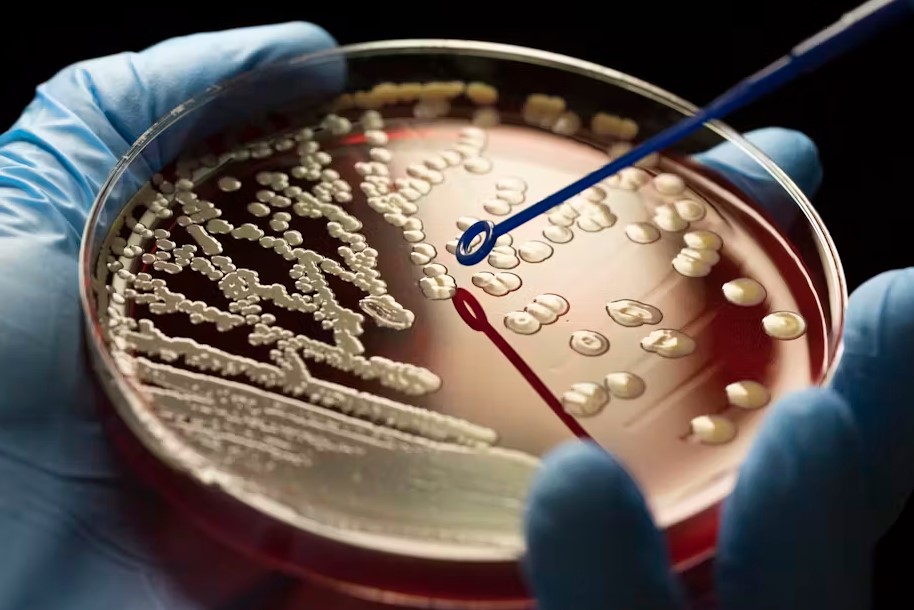
The new study, published in the journal Nature, focused on Streptomyces, a group of soil‑dwelling bacteria that has long played a central role in medicine. Streptomyces has been the source of many antibiotic discoveries over the decades, including streptomycin, the first effective antibiotic developed to treat tuberculosis.
Despite decades of study, researchers discovered something unexpected hidden within these familiar bacteria.
Using advanced genetic analysis, the team identified what they described as a “megacluster,” an unusually large collection of genes that work together to produce a coordinated attack against bacteria.
The gene cluster was found to generate five different compounds: four antibiotics and one protein. Instead of attacking bacteria through a single mechanism, these compounds interfere with several stages involved in the production of biotin, also known as vitamin B7.
Biotin is essential for bacterial growth and survival because it supports critical metabolic functions. By disrupting multiple steps in this pathway simultaneously, the antibiotic combination creates a layered defence that makes it harder for bacteria to evolve resistance.
“They’ve discovered something new in a system so extensively studied, hidden in plain sight,” one researcher said.
Scientists say this approach could represent an important shift in antibiotic development. Traditional antibiotics often target one process inside bacteria, which can allow microbes to eventually adapt and become resistant. But attacking several points within the same pathway at once creates additional barriers against survival.
Experts involved in analysing the findings explained that resistance becomes more difficult to develop when bacteria are forced to overcome several biological obstacles simultaneously rather than one.
Researchers believe nature may already have done much of the work.
“Since evolution has already optimised this combination, we may be able to leverage it to develop novel antibiotic combinations,” another researcher said.
The breakthrough followed years of investigation into biotin metabolism as a possible weak point in harmful bacteria. During the research process, scientists studying known biotin‑targeting antibiotics discovered that the genes involved were actually part of a much larger genetic network.
Further analysis revealed that the gene cluster contained instructions for producing multiple antibiotic families as well as an entirely new group of compounds that had not previously been identified.
To verify the discovery, researchers isolated and cloned a large section of DNA containing the megacluster and inserted it into a laboratory strain of Streptomyces. The experiment confirmed that the genes were indeed responsible for producing the antibiotic compounds.
Scientists also identified similar gene arrangements in several related Streptomyces species, suggesting the mechanism has been preserved across evolution and may be more widespread than previously thought.
Researchers say the findings could open the door to discovering other hidden antibiotic systems in nature and accelerate the search for new medicines at a time when resistance is threatening decades of medical progress.
While additional testing and drug development will still be required before any treatment reaches hospitals, the discovery highlights the continued importance of exploring natural sources such as soil in the search for future antibiotics.

















































Comments
Sign in with Google to comment, reply, and like comments.
Continue with Google