Kenya has screened more than 140,000 travellers and investigated over 100 suspected Ebola alerts, all of which have tested negative, as the country intensifies surveillance and preparedness efforts amid a rising number of cases across the region.
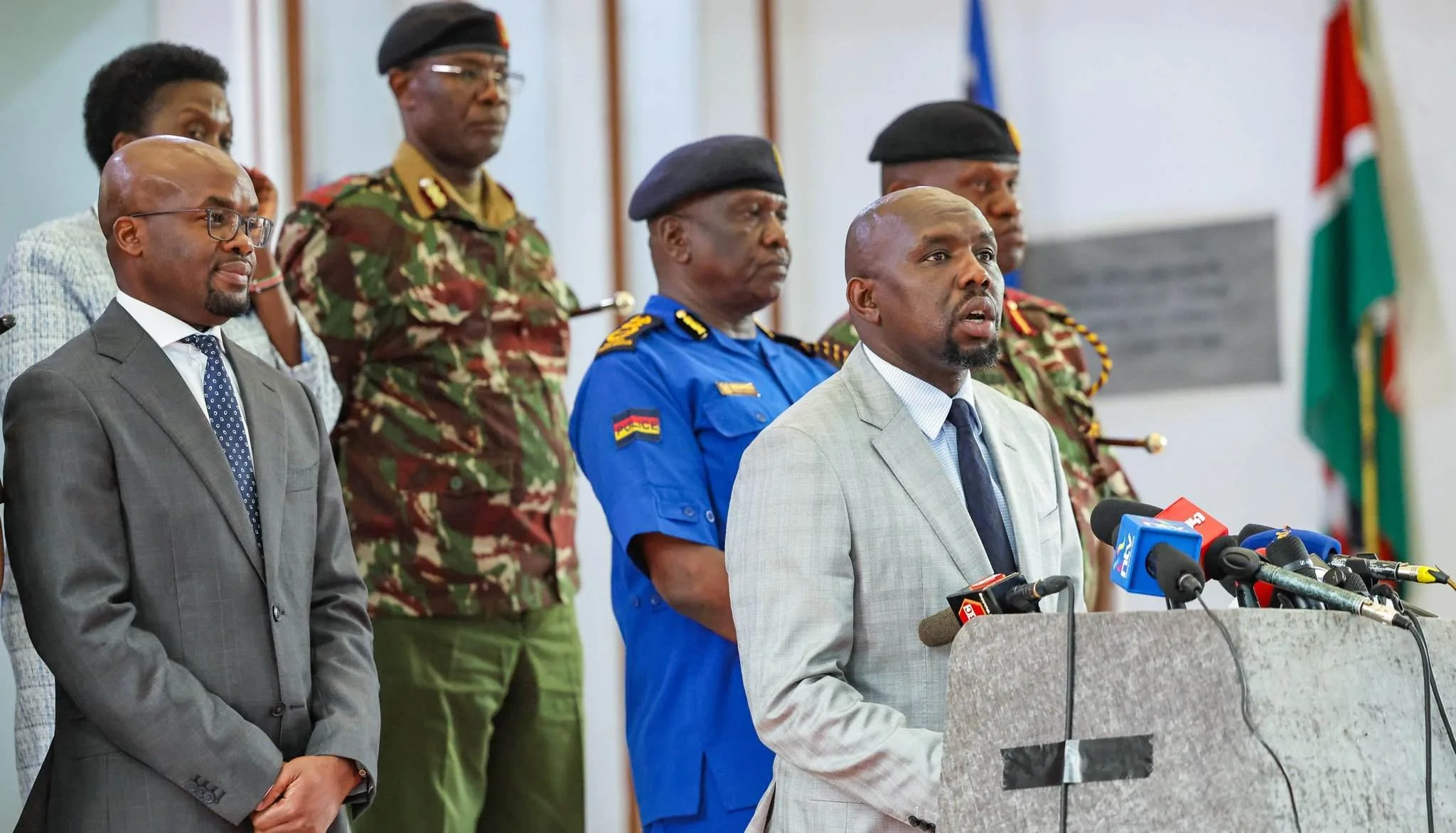
In a statement released on Thursday, Health Cabinet Secretary Aden Duale assured the public that Kenya has not recorded any confirmed Ebola Virus Disease (EVD) case but remains on high alert because of its position as a major regional transport and travel hub.
The update comes as Ebola cases in neighbouring countries continue to rise, increasing concerns about the possibility of cross-border transmission.
"Kenya is a major regional transport and travel hub, with strong connections to neighbouring countries; we remain at high risk of receiving an imported case. The government is therefore taking proactive measures to ensure that we are fully prepared should such a situation arise.”
Drawing lessons from previous outbreaks across Africa, the ministry said countries that invest in early preparedness are better positioned to save lives, protect healthcare systems, and minimise economic disruption.
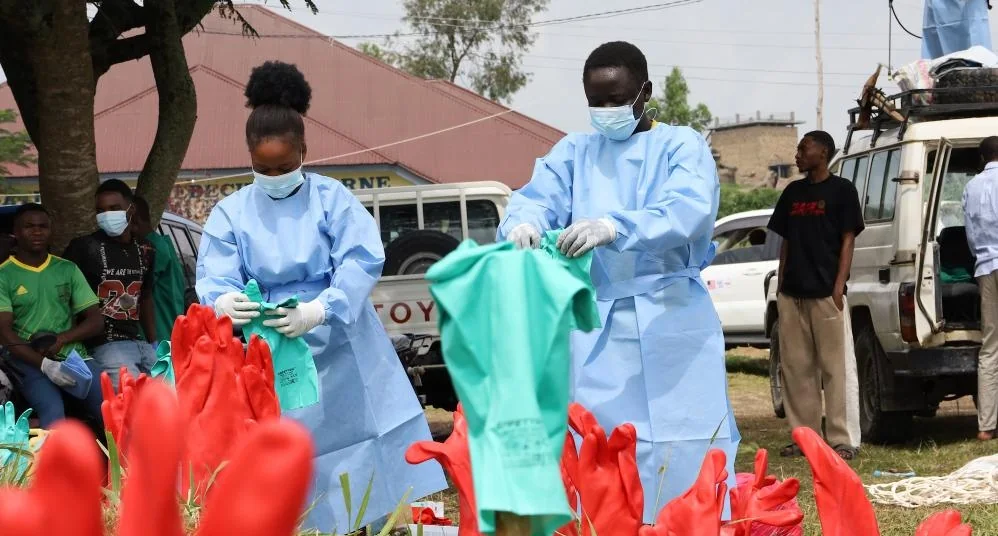
Measures currently underway include enhanced screening of travellers arriving from affected countries through airports and land border points, strengthened surveillance and rapid response systems in counties, and expanded laboratory capacity to enable faster testing and confirmation of suspected cases.
The government has also identified and prepared isolation and treatment facilities, trained healthcare workers across the country, increased stockpiling and distribution of personal protective equipment, and strengthened public awareness and risk communication campaigns.
“All the investigated alerts have tested negative for Ebola,” Duale said.
The ministry also responded to public concerns over the establishment of quarantine and isolation facilities, clarifying that the move is part of routine outbreak preparedness and should not be interpreted as evidence of an active Ebola case in Kenya.
“We are aware that some members of the public have raised questions regarding the establishment of quarantine and isolation facilities for this disease. Let me clarify that these facilities are preparedness measures and do not mean that Kenya has an Ebola case,” Duale said.
“Just as a country prepares fire engines before a fire occurs, public health authorities must prepare isolation and quarantine facilities before an outbreak occurs.”
He added that such facilities allow health officials to quickly isolate suspected infections, protect frontline healthcare workers, and prevent wider community spread if a case is detected.
The Cabinet Secretary noted that investing in preparedness remains more cost-effective than responding to a large-scale outbreak.
“Preparedness is always cheaper than responding to a full outbreak,” he said.
He further warned that previous Ebola outbreaks across Africa resulted in billions of dollars in economic losses due to disruptions in travel, trade, tourism, and investment.
The ministry has urged Kenyans to remain calm but vigilant and continue observing public health precautions.
Members of the public have been advised to wash their hands regularly with soap and running water or use alcohol-based sanitisers; avoid direct contact with bodily fluids of sick individuals, especially those with a travel history to affected countries, and avoid unnecessary travel to outbreak zones.
The Ministry also advised the public not to handle sick or dead wild animals and to seek medical attention immediately if symptoms such as fever, severe headache, sore throat, extreme tiredness, joint pain, vomiting, diarrhoea, or unexplained bleeding develop, particularly after recent travel.
































Comments
Sign in with Google to comment, reply, and like comments.
Continue with Google