Kenya advises against non-essential travel to Ebola-affected areas in Uganda and DRC
Kenya advises against non-essential travel to Ebola-affected areas in Uganda and DRC

Listen

Read this story aloud

Listen to the clean text version of this article.

Ready
3 min listen
Audio reading is not supported on this browser.

The Ministry of Health said Kenya remains at high risk of receiving an imported case because of its position as a major regional transport and travel hub with strong links to neighbouring countries.

Kenya has advised citizens to avoid non-essential travel to parts of Uganda and the Democratic Republic of Congo (DRC) affected by the ongoing Ebola outbreak, even as authorities insist no case of the disease has been reported in the country.
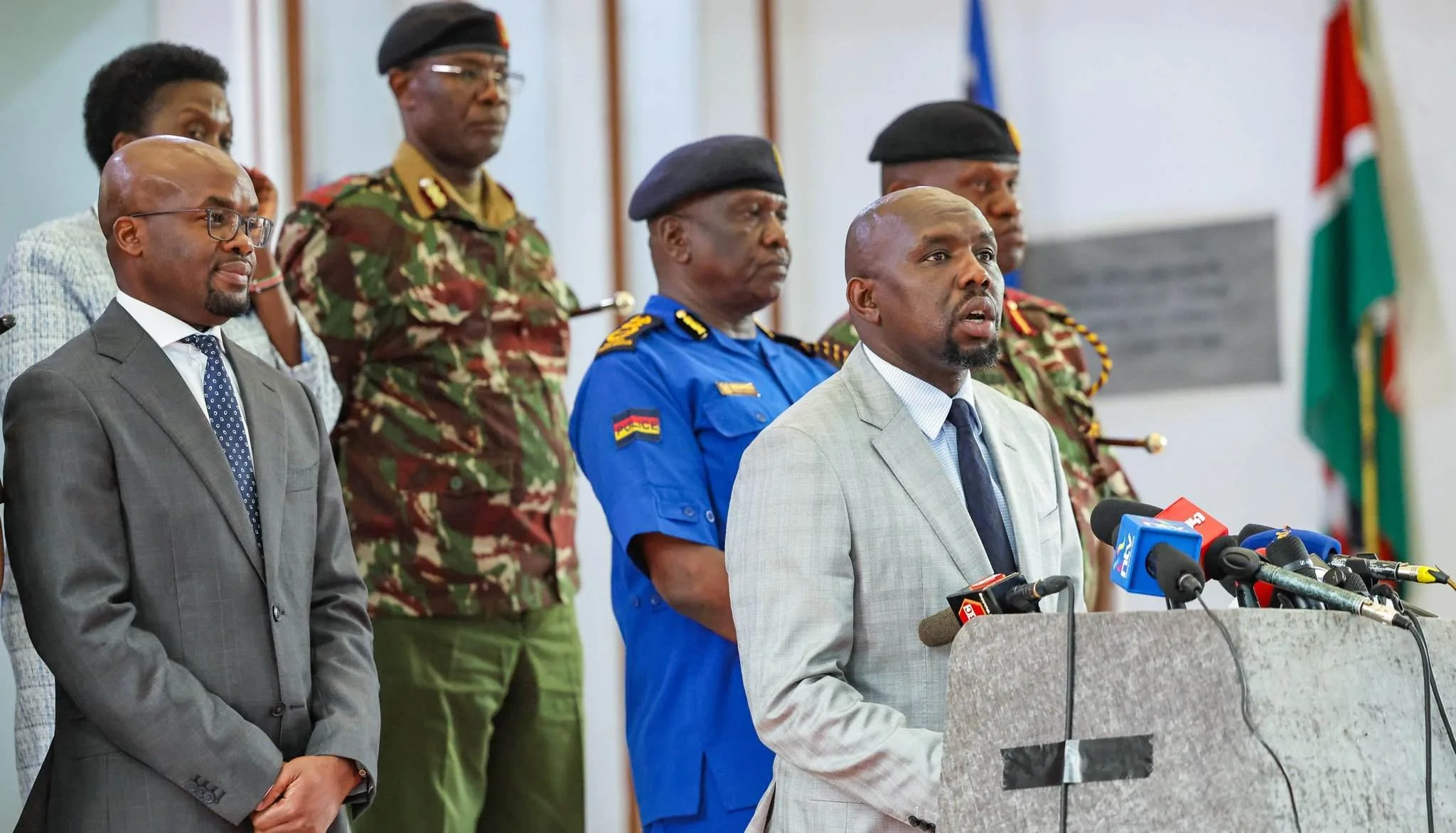
In a statement on Thursday, the Ministry of Health said Kenya remains at high risk of receiving an imported case because of its position as a major regional transport and travel hub with strong links to neighbouring countries.
“Kenya has not reported any confirmed case of Ebola Virus Disease,” the ministry said, while stressing that preparedness efforts have been significantly intensified across the country.
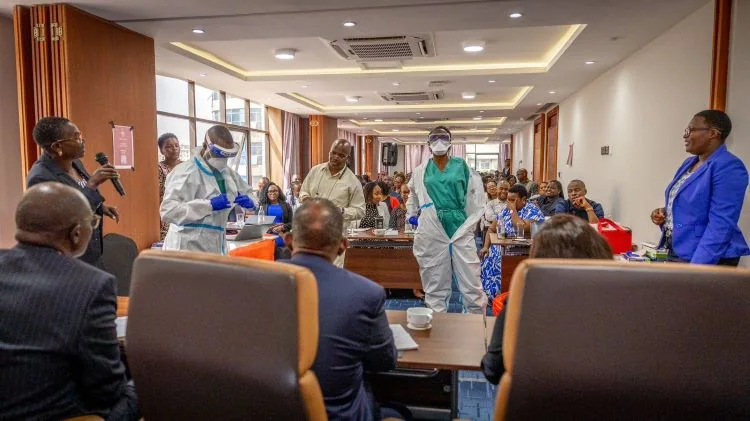
The government said the Kenya National Public Health Institute (KNPHI) activated the national Ebola Incident Management System on May 20 and has since rolled out a series of preventive measures.

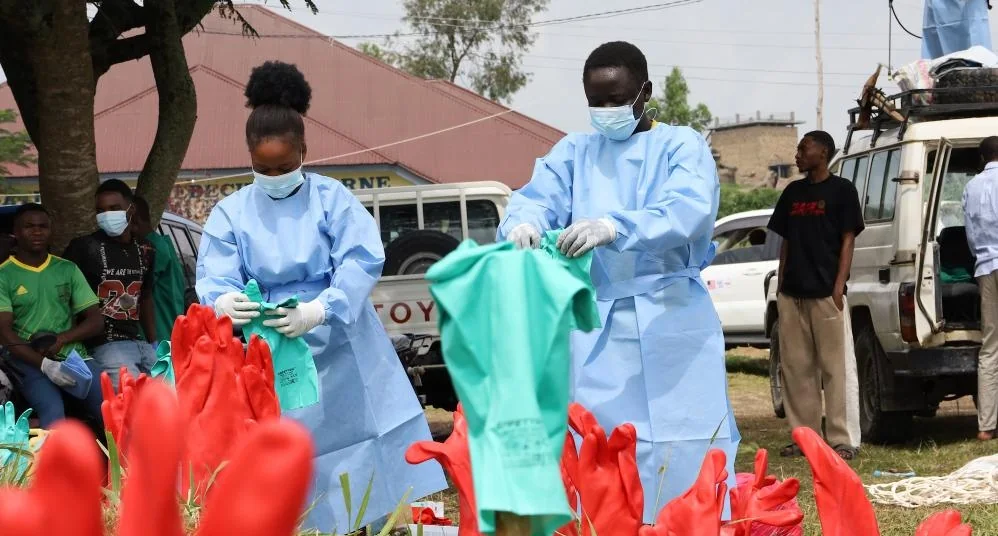
These include enhanced screening of travellers arriving from affected countries through airports and land border points, expanded laboratory testing capacity, strengthened disease surveillance systems, preparation of isolation facilities, training of healthcare workers, stockpiling of protective equipment and intensified public awareness campaigns.
According to the ministry, more than 140,000 travellers from affected areas have been screened and over 100 alerts investigated, with all tests returning negative for Ebola.
Health officials also sought to reassure the public over the establishment of quarantine and isolation facilities, saying the measures are precautionary and do not indicate the presence of Ebola in Kenya.
“Preparedness measures do not mean that Kenya has an Ebola case,” the ministry said, comparing the preparations to positioning fire engines before a fire occurs.
The government warned that previous Ebola outbreaks in Africa resulted in billions of dollars in economic losses due to disruptions in travel, trade, tourism and investment, arguing that early preparation is far less costly than responding to a full-scale outbreak.
Authorities urged Kenyans to remain calm but vigilant, observe hygiene measures and follow official public health guidance as the outbreak in the region continues to be monitored.

Comments

0
Loading comments...

Trending

Latest Stories

Popular Stories This Week