How Nairobi vendors are cashing in on trending pineapple-chilli snack
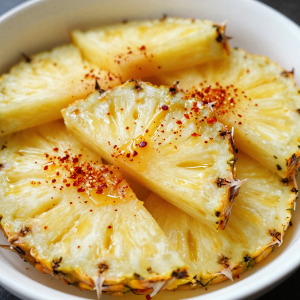
Pineapple, sliced into wedges and sprinkled with chilli, is the latest food craze circulating on TikTok and Instagram.
Street vendors across Nairobi report long queues with vendors who once sold plain fruit cups now offering pineapple mixed with chilli, lime salt, or even chilli-infused syrup.
More To Read
- Australia to ban social media for children under 16 on Wednesday
- Inside the rise of news influencers transforming media in Kenya, Nigeria and South Africa
- Faith under fire: How social media fuels rising attacks on religions, followers in Ethiopia
- TikTok’s new controls let users decide how much AI content appears on their feed
- Social media can cause stress in real life - our ‘digital thermometer’ helps track it
- Malian TikToker killed by militants for supporting army
A food vendor outside the OTC building in downtown described the sudden spike.
“Before, people just wanted fresh fruit. Now everyone asks: ‘Do you have chilli?’ If not, they move to the next cart.”
Culinary historians and regional chefs note that the pairing is far from new. Fruit seasoned with heat, whether cayenne or paprika, has long been part of food culture in Indian Ocean trade cities, Latin America’s snack stalls, and parts of Asia where sweet fruit is often balanced with salt, spice, and citrus.
What social media has accomplished is packaging the old into something that looks newly daring.
Short video clips show vendors dusting ruby-red chilli over bright yellow pineapple slices in slow motion, creating colour contrasts perfect for trending audio.
Influencers describe it as a “bold summer bite,” a flavour that shocks and refreshes at the same time.
Food analyst, Wambui Olewe, says the trend reflects a shift in Kenyan snacking habits.
“Young consumers want affordable treats that look premium online. Pineapple is cheap. Chilli is cheap and salty. Together, they feel like a gourmet experience. And it is something you can make straight from your house.”
Is it healthy?
Nutritionists describe the combo as generally safe for most people when eaten in moderate amounts.
Pineapple offers hydration, fibre and vitamin C while chilli contributes flavour and mild metabolic stimulation.
However, experts also emphasise boundaries, since pineapple’s acidity can irritate mouths and stomachs when eaten in large servings, especially when paired with spicy heat.
For people with heartburn or digestive sensitivity, the combination may be less trendy and more troublesome.
“It’s better than sugary soft drinks or heavy fried snacks, but that doesn’t make it limitless. Two or three wedges are fine, half a whole fruit with extra-hot chilli every day is a different story,” dietician, Wincate Wangari, told Eastleigh Voice on Tuesday.
The chilli-pineapple trend is part of a wider rebranding of everyday Kenyan street food. Simple items like boiled maize, mango slices, and cassava chips are now being marketed as styled, curated, camera-ready bites.
The line between street vending and influencer marketing has blurred, with vendors becoming brand personalities and food stalls doubling as studios.
There is no robust long-term human clinical trial that has tested the health effects of regularly eating pineapple with chilli (or spicy fruit), such as whether the antioxidant/anti-inflammatory benefits outweigh risks for gut health, or whether the metabolic boost is significant or lasting but whether this current wave fades or becomes an everyday expectation, vendors are unlikely to drop chilli any time soon.
If you enjoy pineapple with chilli, treat it as a flavourful, occasional snack rather than a health supplement and moderation is key.
Top Stories Today