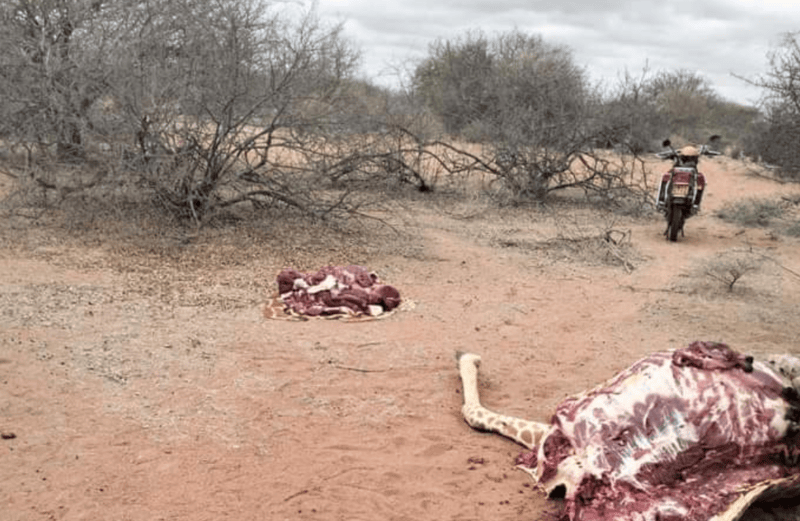
Poacher killed at El Adow in Wajir south, giraffe meat and motorcycle recovered
Elders and youth from the community intercepted 14 donkey-pulled carts carrying 200 sacks of charcoal, destined for the camps.
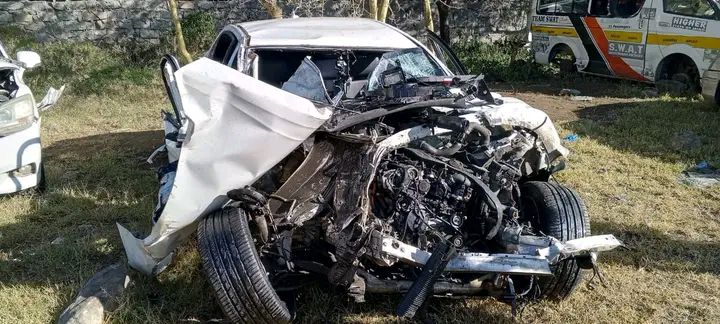
A poacher was killed, and game meat along with a motorcycle intended for transport were recovered on Monday by Kenya Wildlife Service (KWS) officers at El Adow in Wajir South.
The Chief Executive Officer of the North Eastern Conservancy Association, Sharmarke Mohamed, commended the KWS for their swift response after vigilant members of the community reported the incident.
More To Read
- Counties intensify pressure on national government over park revenue-sharing model
- Lewa, KWS launch vulture tracking project to boost raptor conservation
- Conservationists demand probe into relocation of orphaned giraffes from Wajir to Nanyuki
- Wajir South MP condemns relocation of orphaned giraffes to Nanyuki
- KWS moves reticulated Somali giraffes from Wajir to Nanyuki in major conservation effort
- Wildlife compensation claims hit Sh3.5 billion as thousands of Kenyans wait years for payments
“We thank them and also extend our heartfelt gratitude to the El-Adow community for their quick response and collaboration, which played a crucial role in this operation,” he said.
According to the North Eastern Conservancy CEO, the poacher was killed, and a vehicle intended for transporting giraffe meat was recovered.
He called for the implementation of long-term strategies and stronger preventive measures to protect wildlife and deter poachers in areas within the refuge host community.
“Public vigilance, as shown by the El-Adow community, alongside proactive KWS actions, remains essential for effective wildlife conservation,” he noted.
On September 29, residents of Bananey Ward in Wajir South raised alarms over poaching and widespread environmental degradation, allegedly caused by refugees from nearby camps in Dagahley, Ifo, and Hagardere, which span Garissa and Wajir counties.
Elders and youth from the community intercepted 14 donkey-pulled carts carrying 200 sacks of charcoal, destined for the camps.
Top Stories Today