Sifuna, Osotsi meet Luhya elders amid growing political tensions in ODM
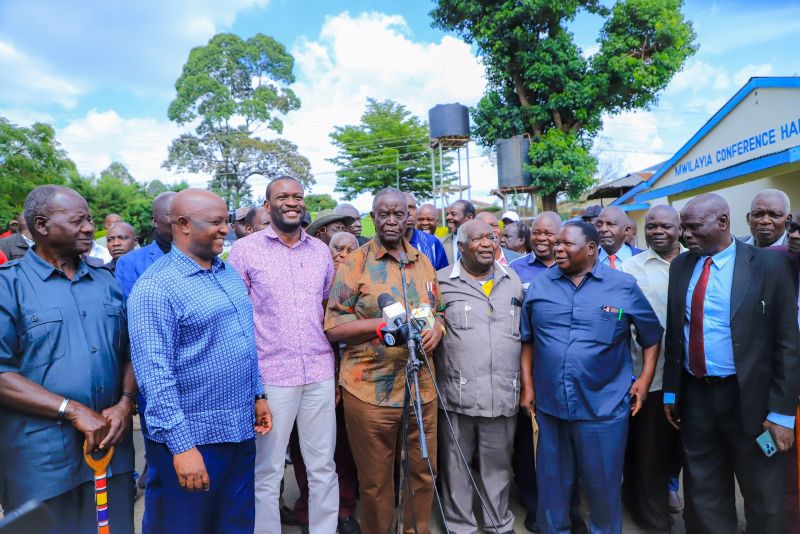
The elders, who met in Kakamega, said there was a deliberate attempt to divide the Luhya community by self-centred individuals pursuing personal interests.
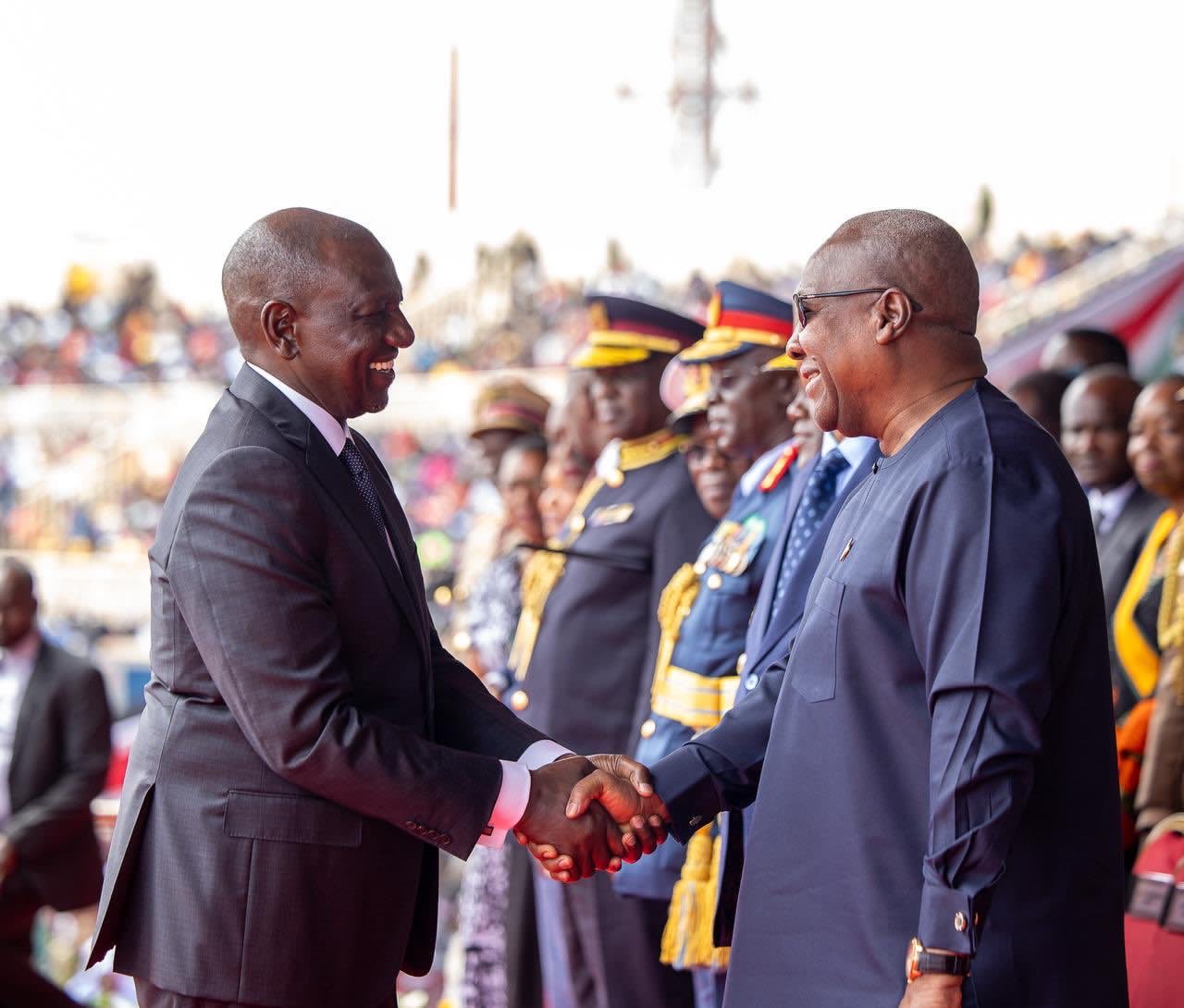
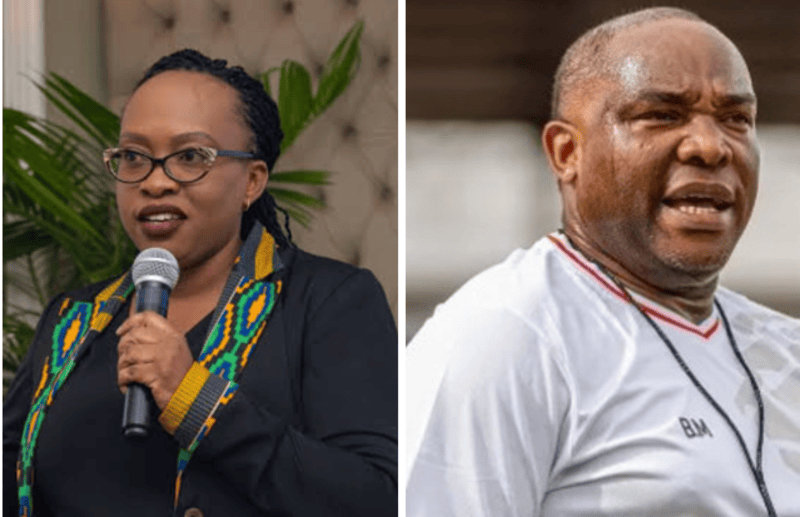
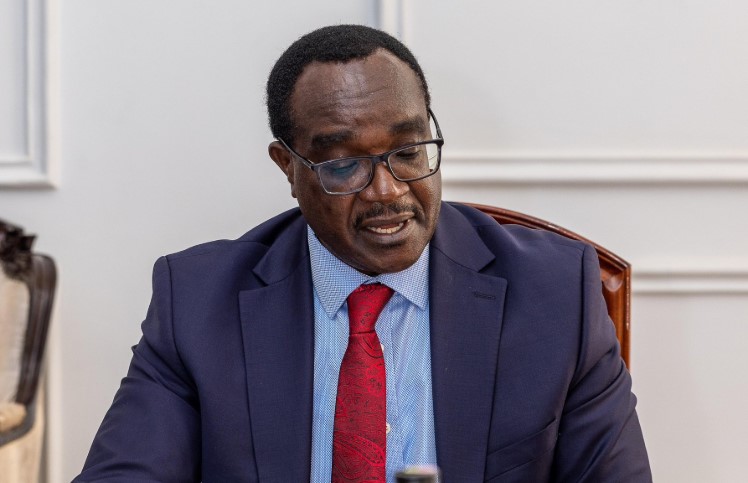
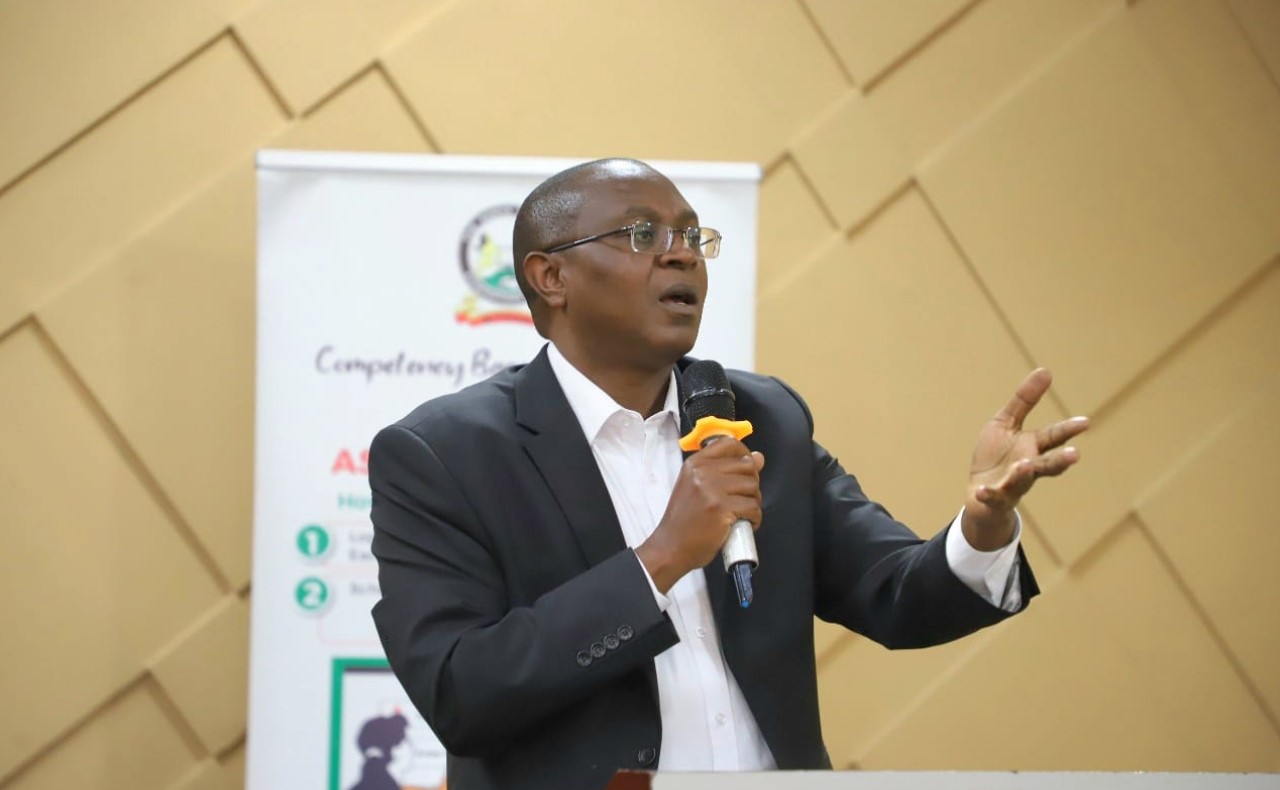
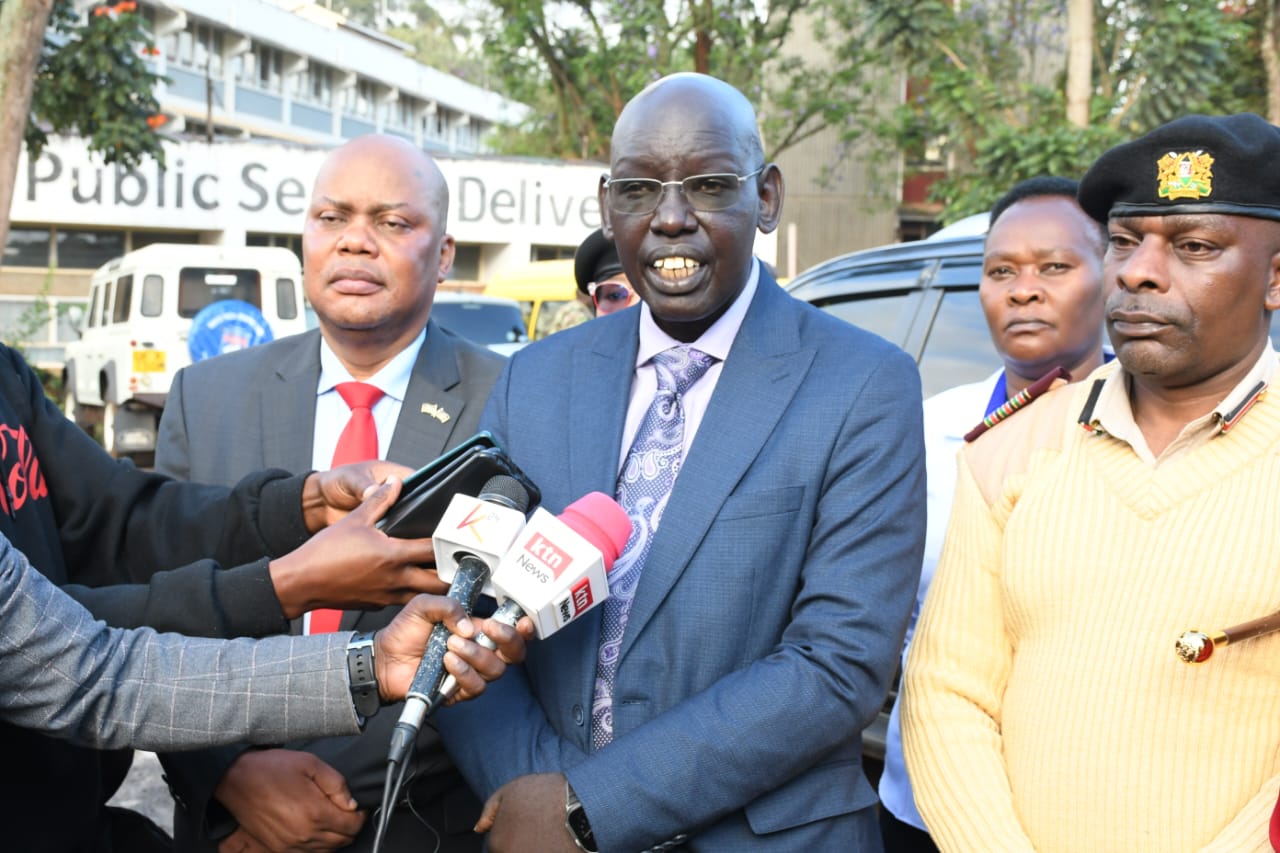
A closed-door meeting between Orange Democratic Movement (ODM) Secretary General Edwin Sifuna, Deputy Party Leader Godfrey Osotsi and Luhya elders has raised questions over whether leaders from the western region are preparing to chart a new political path in the party following Raila Odinga’s death.
With the 2027 General Election just 20 months away and major political realignments taking shape, the Luhya Council of Elders has said the community cannot afford to be isolated within the country’s evolving political landscape.
More To Read
- Ruto and Oburu strengthen UDA-ODM alliance after by-election win
- Saboti MP Caleb Amisi warns ODM may not survive 2027 after by-election struggles
- Harrison Kombe wins Magarini parliamentary seat with 17,909 votes
- MP Kaluma injured as bodyguard loses gun in Kasipul poll chaos
- Magarini by-election: ODM's Harrison Kombe raises alarm as agents barred from polling stations
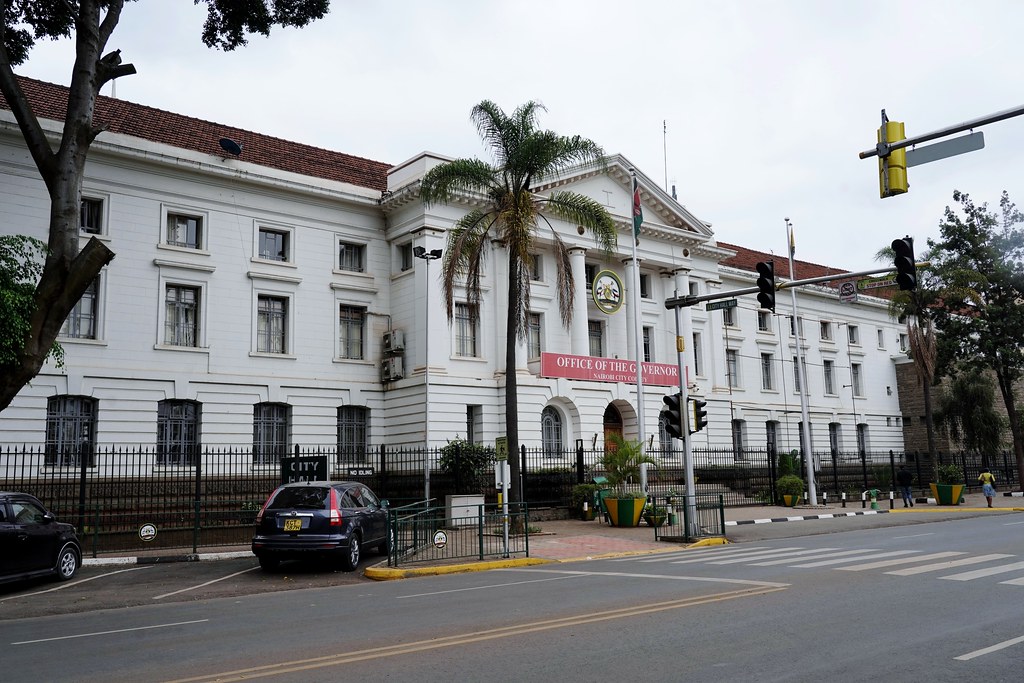
- Why City Hall moved hospital accounts to Sidian Bank- Sakaja
The elders, who met in Kakamega, said there was a deliberate attempt to divide the Luhya community by self-centred individuals pursuing personal interests.
“It is in the selfish interests of many political players to divide the Luhya nation so that we may not benefit from the demographic strength that we already have, which is God-given,” their statement read.
The elders have mandated a team of leaders, elders, professionals and business people to begin a process of structured engagement within the community and with other Kenyans.
“This is a fair approach through which consensus can emerge, so that we do not become victims of a few political brokers who benefit as individuals by using the Luhya numerical strength purely for their selfish ends,” they said.
According to Osotsi, the elders were concerned about leadership tensions within the ODM Party and requested a briefing on the situation.
“We were summoned to give a status update on the happenings in the ODM Party,” said Osotsi.
It is understood that the leaders disclosed to the elders an alleged plan to sideline them within the party, which is now headed by Raila's brother and Siaya Senator, Oburu Oginga.
Sifuna, however, said the elders’ interest was driven by issues affecting the Luhya community, such as the state of the sugar industry.
“These consultations are important, even as we represent our people. We have now seen what the community’s position on the sugar industry is,” said Sifuna.
The Luhya community has four million registered voters, placing them second to the Kikuyu, who also have four million. The Kalenjin and Luo follow with 3.5 million and 3.2 million voters, respectively.
Two political camps have emerged in Luhya land, one led by Prime Cabinet Secretary Musalia Mudavadi, National Assembly Speaker Moses Wetang’ula, Cabinet Secretary Wycliffe Oparanya, Kakamega Governor Ferdinand Barasa and Bungoma Governor Kenneth Lusaka, considered the key pillars of President William Ruto in the region.
On the other side are youthful politicians allied to Trans Nzoia Governor George Natembeya, ODM Secretary General Edwin Sifuna, MP Caleb Amisi, DAP-K Party Leader Eugene Wamalwa, among others.
The youthful camp recently staged a political upset against Wetang’ula in the Chwele–Kabuchai ward by-election, where independent candidate Erick Wekesa defeated Ford-Kenya’s candidate.
For the first time in two decades, Wetang’ula and his Ford-Kenya party suffered a resounding home defeat to Governor Natembeya’s rising influence.
Governor Natembeya delivered a significant political blow to Wetang’ula in the battle for control of Bungoma County politics.
It was a clash between the newcomer DAP-K, through an independent candidate, and Ford-Kenya, the once-dominant “Simba” that has shaped the region’s politics for over twenty years.
Railaa’s exit from the political scene has levelled the field between President Ruto and the United Opposition, with the president seeking to build on the 386,456 votes he received in Western Kenya in 2022.
In the last General Election, Bungoma County, Wetang’ula’s backyard, was the only Western county where Ruto defeated Raila, garnering 255,906 votes against Raila’s 145,280.
In Vihiga, Mudavadi’s home county, Ruto secured 67,633 votes against Raila’s 114,714. In Kakamega and Busia, Ruto received 141,186 and 48,801 votes respectively, compared to Raila’s commanding 357,187 and 236,042.
Sifuna has been walking a tightrope within the ODM Party, particularly after Raila’s death. Last month, he sparked a political storm after alleging a covert plan engineered by Ruto’s allies to remove him as ODM Secretary General.
Sifuna revealed that during the ODM@20 Founders’ Dinner in Mombasa, attended by President Ruto, several figures linked to the president openly questioned whether he was still the Secretary General.
“There were people asking if I was still the SG even before the meeting ended. Ruto’s people want me removed because I refuse to sanitise poor leadership,” he declared.
According to him, the president’s allies are uncomfortable with his persistent criticism of Ruto’s economic record and what he describes as increasing youth insecurity.
He described the Mombasa dinner, meant to mark 20 years of ODM and honour the late Raila’s political journey, as an event marred by subtle political manoeuvring.
In Kisii, Sifuna declared he is willing to collaborate with any leader seeking to remove President Ruto from office, including former Interior Cabinet Secretary Fred Matiang’i.
He also rebuked ODM leaders backing the broad-based government deal, warning them against posturing. “Only Raila and Ruto know what is in that agreement. The rest are spectators.”
Saboti MP Caleb Amisi added that Raila had historically joined governments but always left before elections, arguing that the late ODM leader would likely have exited the current arrangement by 2026.
Top Stories Today