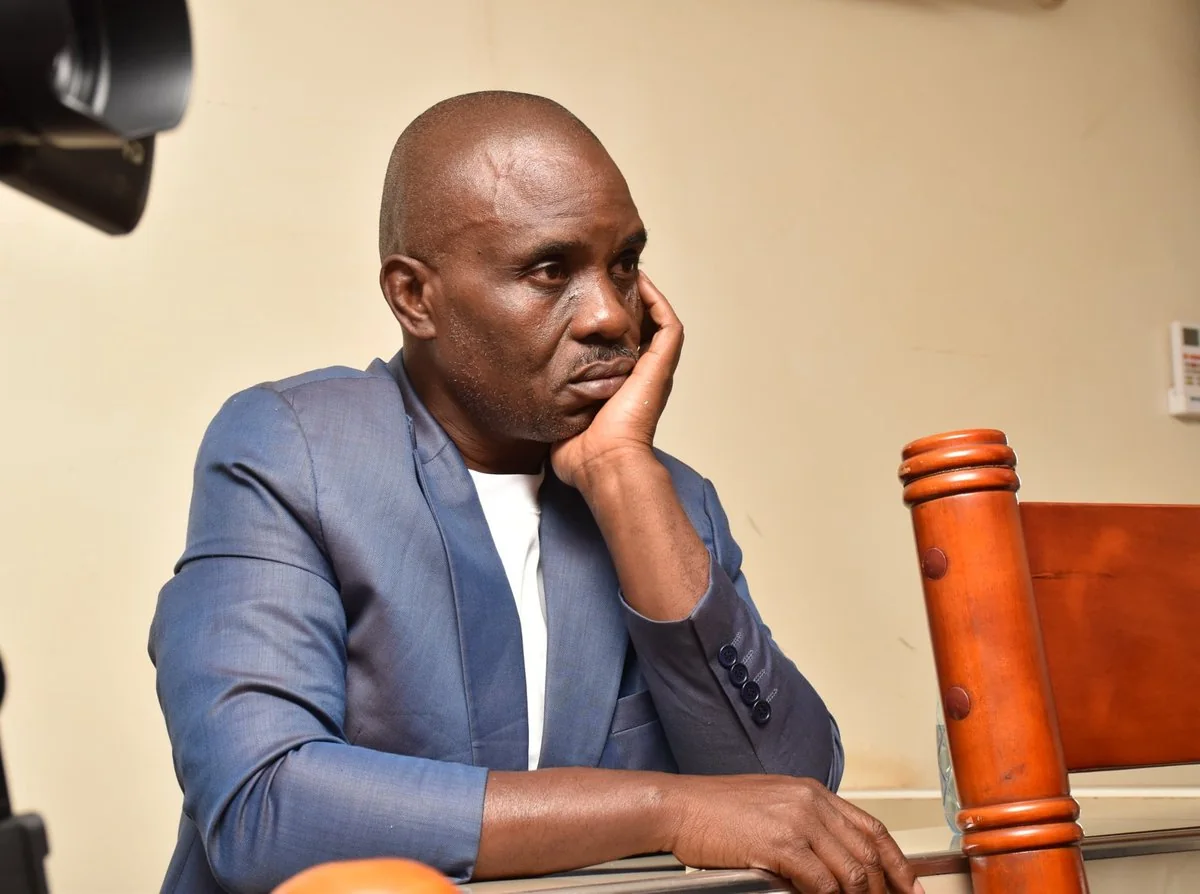
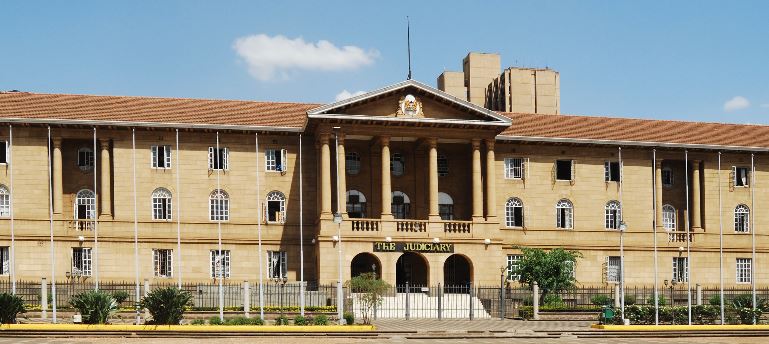
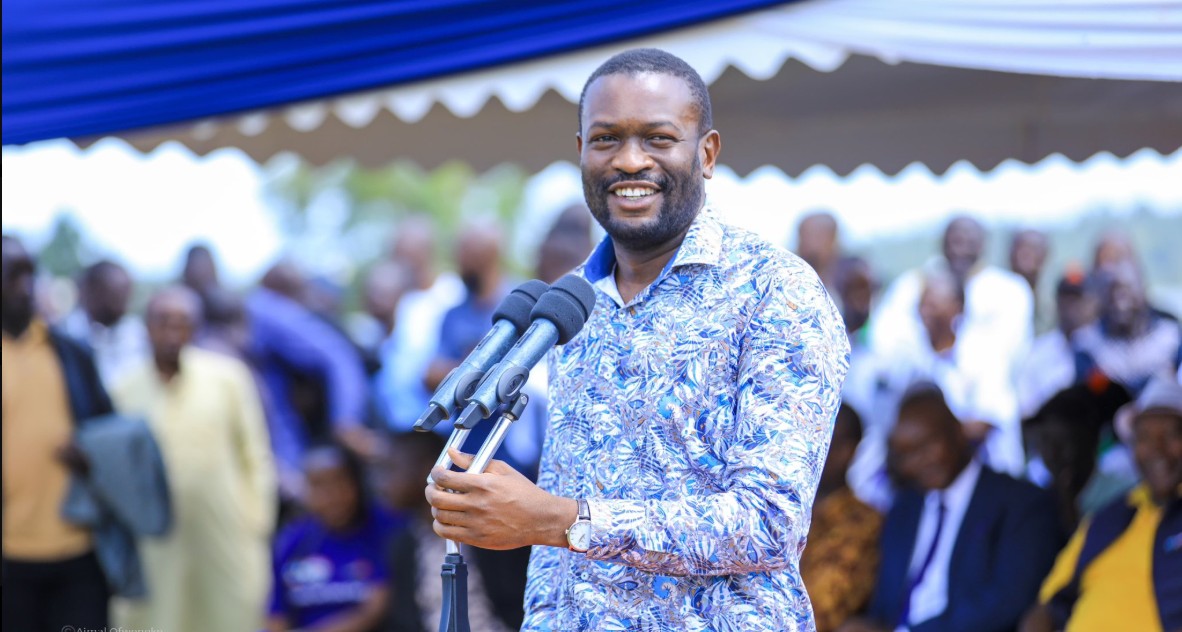
Nairobi Senator Edwin Sifuna has suffered a setback after the Political Parties Disputes Tribunal (PPDT) cleared ODM to proceed with disciplinary proceedings against him, ruling that he must first submit to the party’s internal disciplinary mechanisms before seeking the tribunal’s intervention.
In a judgment delivered on Thursday, the tribunal found that ODM acted within its constitutional mandate when it initiated disciplinary proceedings against its Secretary General through a notice to show cause issued on April 2, 2026.
The tribunal held that Article 78 of the ODM Constitution provides a clear framework for disciplining party members and officials, and that the process should be allowed to run its course.
“Article 78 of the ODM Constitution allows enforcement of disciplinary processes within the party,” the tribunal ruled.
The decision marked a significant victory for ODM, which had argued that Sifuna’s complaint before the tribunal was premature because the disciplinary process had not been concluded.
The tribunal agreed, stating that an ongoing disciplinary process before ODM’s disciplinary committee should not be interrupted.
“There is an ongoing process initiated by ODM through the disciplinary panel which should be allowed to continue, and the complainant can raise all the issues therein and only come to the Tribunal thereafter,” the judgment stated.
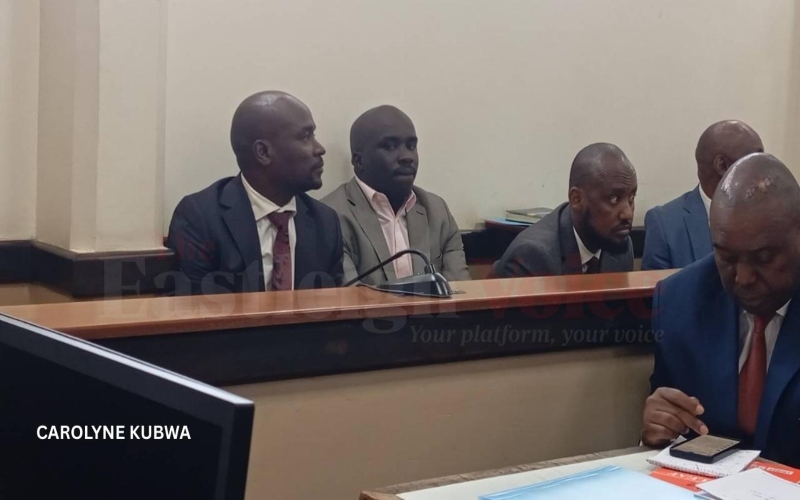
Senior Counsel T.J. Kajwang, alongside advocates Ken Amondi and Sam Makori, successfully persuaded the tribunal that political parties must be allowed to enforce discipline through their internal structures.
Kajwang argued that political parties cannot function effectively if disciplinary organs are constantly interrupted by external litigation.
“The Tribunal must give latitude and breathing space to political parties in disciplinary proceedings so that political parties are built as institutions,” Kajwang submitted.
The tribunal endorsed that position, emphasising that discipline is an essential component of political party governance.
“Political party discipline is obligatory, and parties have a responsibility to enforce discipline within their constitutive instruments and the relevant legislation,” the panel observed.
The judges further dismissed Sifuna’s concerns over alleged bias, bad faith, and procedural unfairness, saying such complaints should first be raised before the party’s disciplinary organs.
“Such issues are best raised during the disciplinary proceedings before the relevant party disciplinary organ. He should thus subject himself to the disciplinary process,” the tribunal ruled.
However, Sifuna secured a limited victory after the tribunal nullified an earlier ODM National Executive Committee resolution that purported to remove him as Secretary General.
The tribunal found that Sifuna had not been notified that his conduct would be discussed during the NEC meeting and was therefore denied a fair hearing.
Despite that finding, the panel stressed that the disciplinary case remains active and can proceed to conclusion.
“ODM is at liberty to institute and conclude disciplinary proceedings against the complainant in accordance with the First Respondent's constitution and the law,” the tribunal declared.
The ruling leaves Sifuna back before ODM’s disciplinary machinery, with the party now free to continue the case through its internal processes.

































Comments
Sign in with Google to comment, reply, and like comments.
Continue with Google