Political leaders have piled pressure on President William Ruto to publicly acknowledge that his government has orchestrated human rights abuses, including extrajudicial killings.
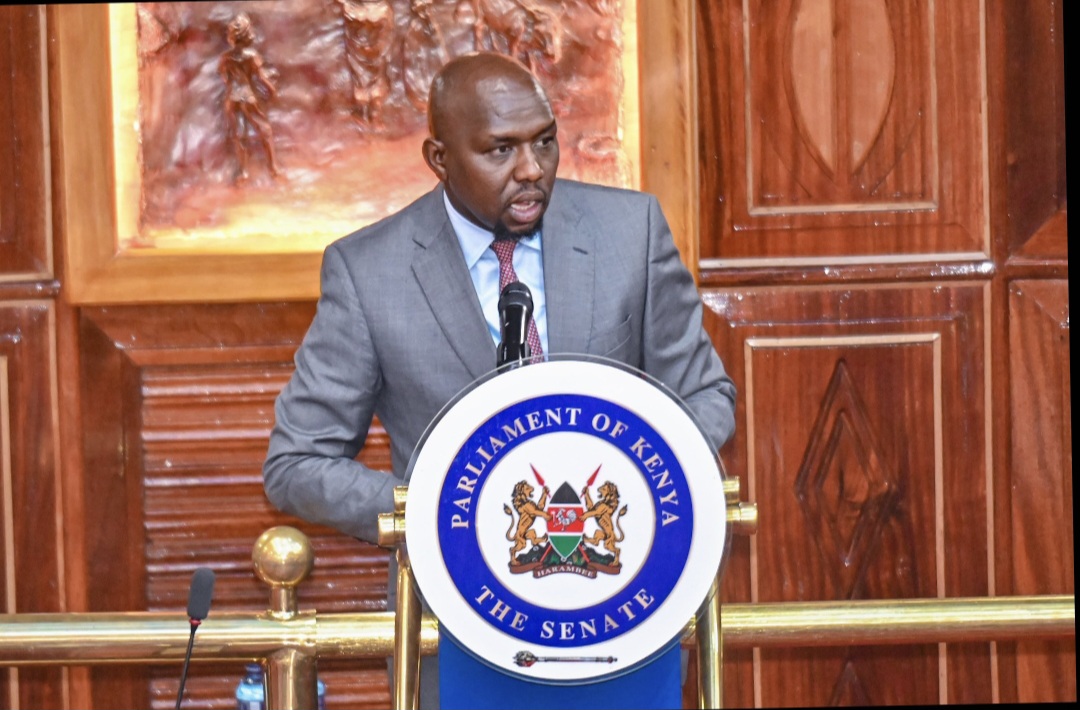
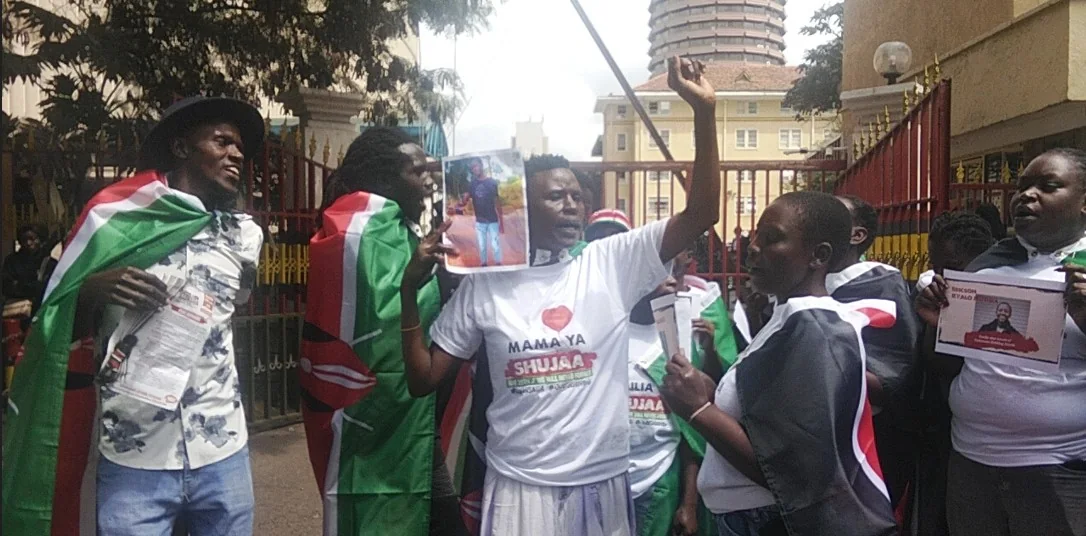
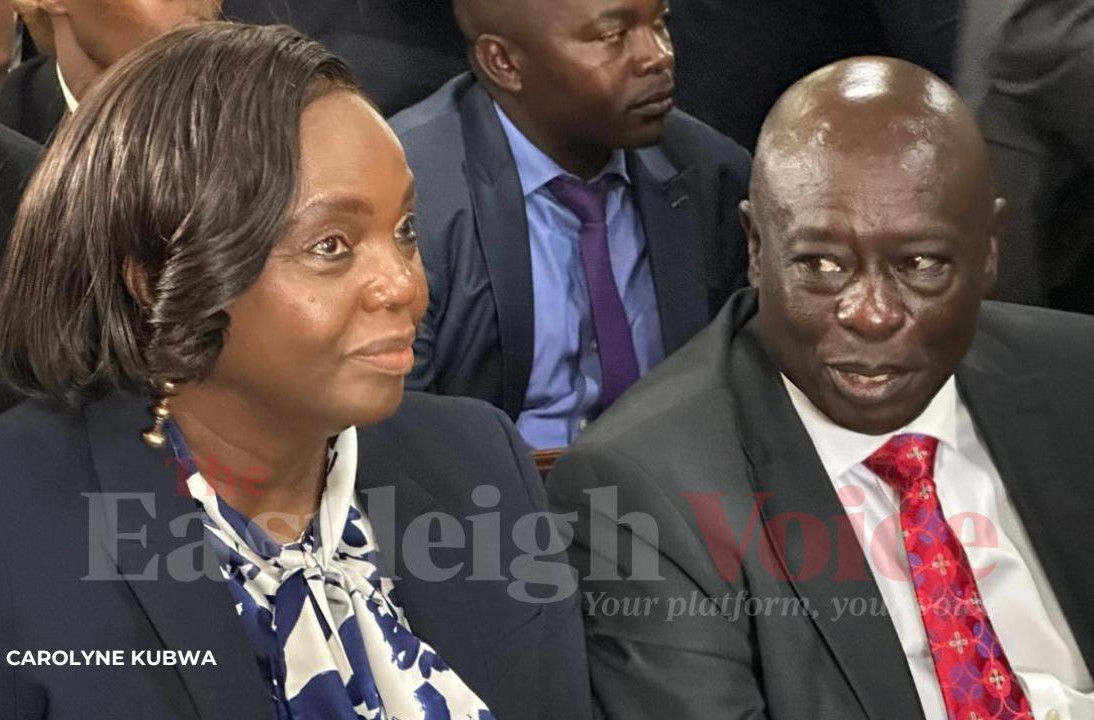
While appearing at Police Headquarters in Jogoo House on Thursday, survivors of state violence alongside allied Opposition leaders, PLP leader Martha Karua, Siaya Governor James Orengo, and former Makueni Governor Kivutha Kibwana, demanded Ruto’s direct apology for the atrocities they suffered at the hands of the State.
They rejected what they termed an incomplete apology from the government and urged the panel of experts on compensation to publish the list of those set to receive payouts. Survivors also demanded accountability from both the panel and the State, particularly regarding perpetrators of violence against them.
“We demand that the government apologise and assure Kenyans there will be no further killings by police, and that action will be taken against the perpetrators,” said Orengo, who was joined by human rights lawyer Gitobu Imanyara and former Chief Justice Willy Mutunga.
Though Ruto has acknowledged state excesses that left thousands dead, maimed, and businesses destroyed, the Coalition of Victims and Survivors Against State Violence said the President’s remarks did not go far enough.
“No apology can erase the bloodshed, trauma and pain inflicted on people whose only crime was exercising their constitutional right to peaceful protest,” added activist Boniface Mwangi.
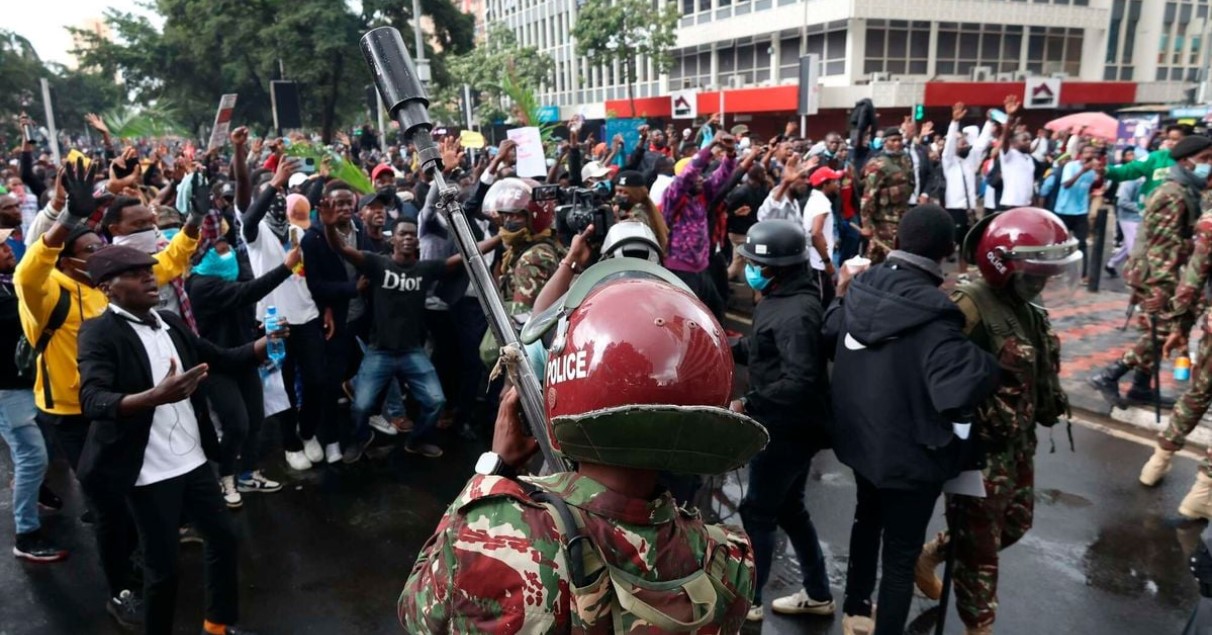 Demonstrators confront anti-riot police officers during Gen Z protests against the Finance Bill, 2024. (Photo: Handout)
The framework unveiled on Monday provides for a Sh2 billion compensation fund to address more than 1,100 claims involving loss of life, injuries, torture, abductions, and enforced disappearances, among other violations. However, survivors say clarity is needed on when and how compensation will be disbursed.
“Kenyans will not tolerate further delays, excuses, bureaucracy or political sideshows meant to frustrate victims once again. Compensation must be swift, transparent, seamless and conducted in good faith,” stated Bernard Kavuli, a survivor.
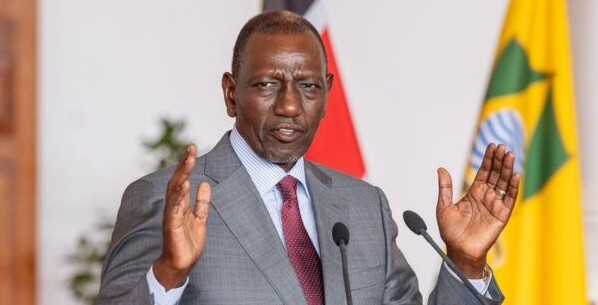
According to Ruto, the report on compensation is necessary to confront the culture of violence that has scarred the nation for years, without acknowledgement from the State.
“If you act, you are criticised. If you do not act, you are criticised. But there comes a time when the nation must choose action over hesitation,” he said.
However, former Chief Justice David Maraga described the government’s compensation of police brutality victims without prosecuting the officers responsible as a “half measure,” insisting that justice demands criminal accountability.
Speaking during an interview on NTV on Thursday morning, Maraga said that while compensating victims is not in dispute, the manner in which it is being handled raises serious concerns.
“When we have courts, they should have just identified those people and then let the courts determine that. The courts are neutral. They’re the ones to compensate. But when you get the same executive officials being in charge of that, it raises a lot of issues,” Maraga said.
He further noted that no arrests have been made in connection with the incidents, questioning how Kenyans can be expected to believe criminal justice will follow.
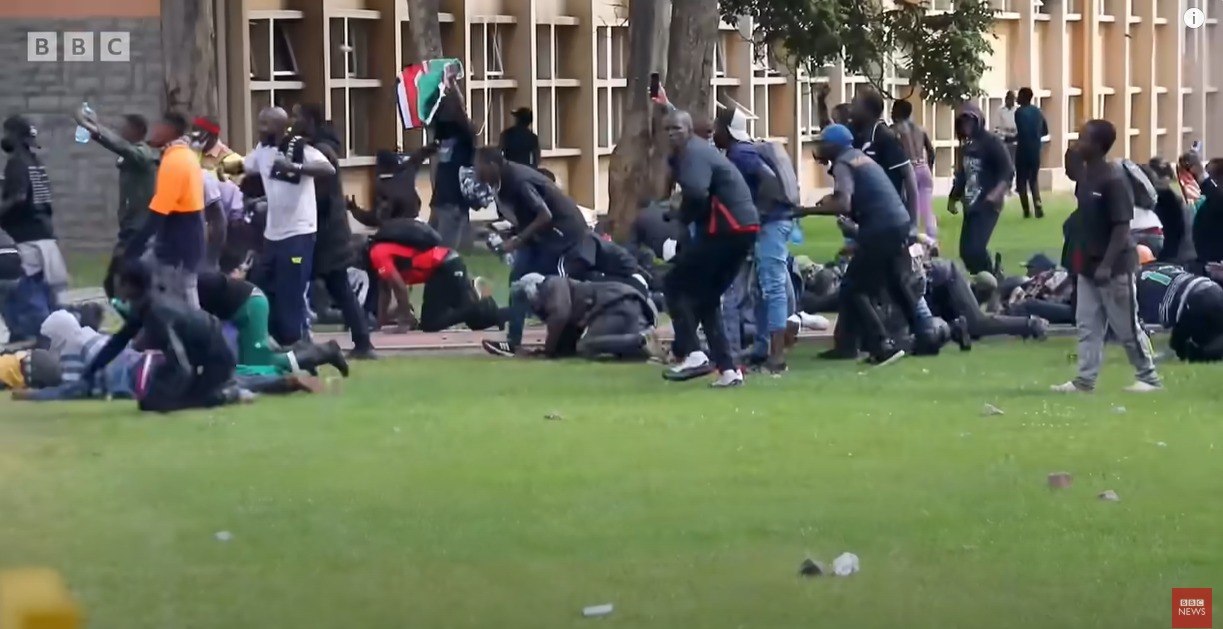
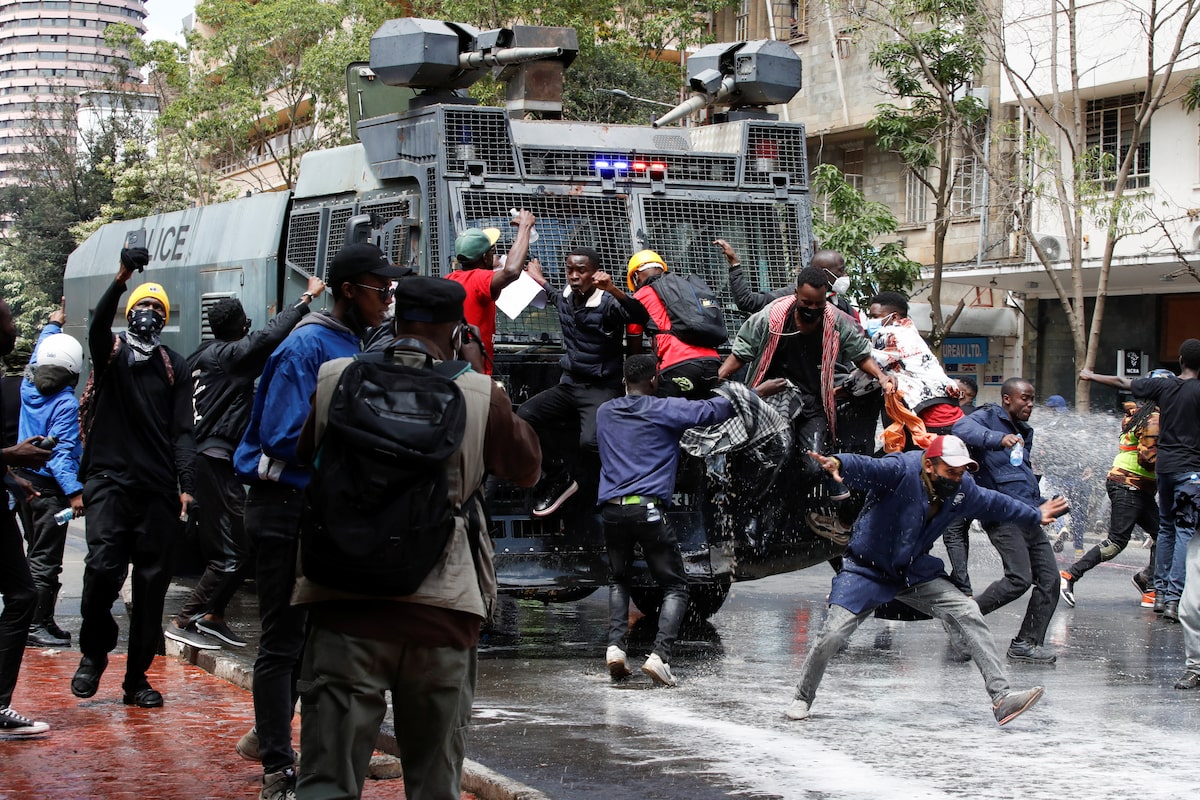 Demonstrators during anti-Finance Bill protests in June this year. (Photo: Handout)
“Have you seen any arrests? No. So, how can we talk about criminal justice coming later? When we don’t know even whether those people have been arrested,” he said.
The former CJ said the government appeared more interested in “whitewashing its own criminal acts” than in pursuing genuine accountability.
“These are half measures. If you want to deal with a situation and convince Kenyans that the government is sorry about what has happened, it should take firm action.”
Maraga also emphasised the importance of deterrence, arguing that failure to prosecute sends the wrong signal.
“Don’t forget, when a crime has been committed and somebody has been identified, the whole purpose of prosecution and sentencing is deterrence. Today it is Wanjiku. Tomorrow it could be you, it could be me.”
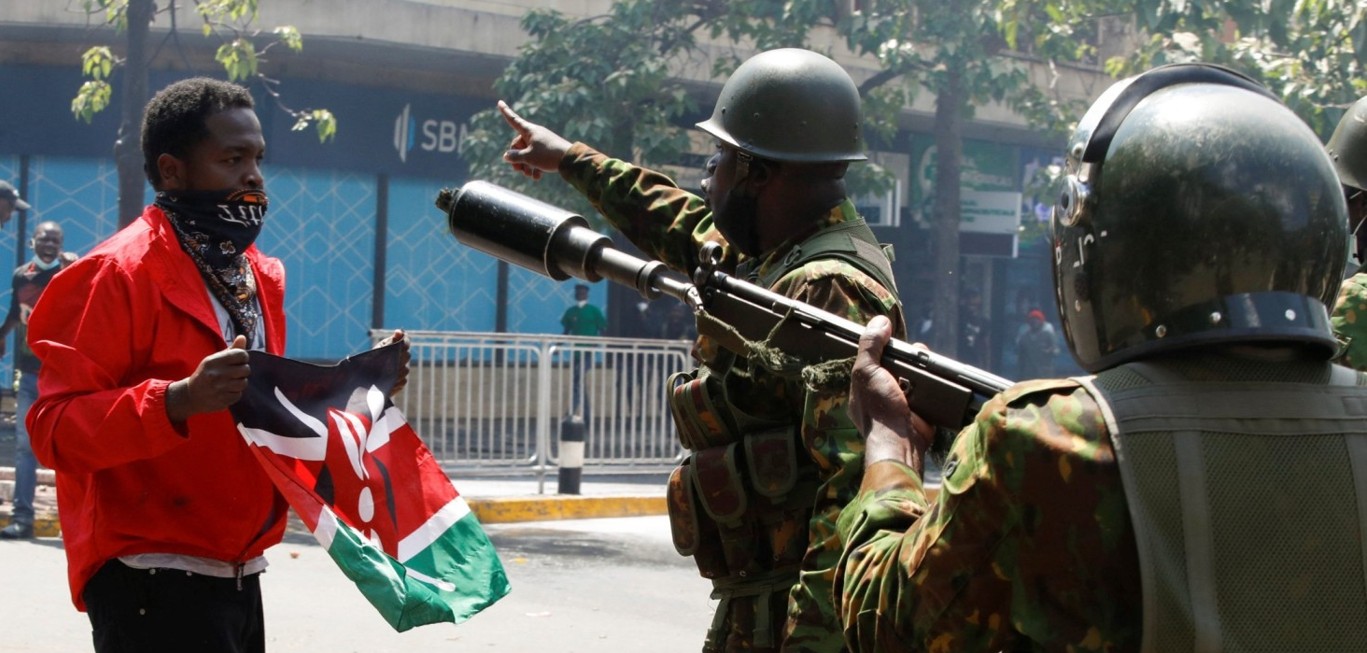
He noted that police officers are only permitted to use firearms as a last resort, when their life or that of another person is in grave danger, and questioned whether that threshold had been met in the cases under review.
Lawyer Willis Otieno, speaking to The Eastleigh Voice, noted that the first step in transitional justice initiatives is acknowledgement of the harm caused to victims, recognition of harm, and a public apology before other remedies are considered.
“Barring acknowledgement and public apology, where is the safeguard that the atrocities will not be repeated?” posed Otieno.


























Comments
Sign in with Google to comment, reply, and like comments.
Continue with Google