Court quashes revocation of refugee status for Rwandan accused of 1994 genocide

Celestin Ntarwanda lost his status in 2017 after the Commissioner cited an indictment from Rwanda accusing him of genocide, incitement, and crimes against humanity.
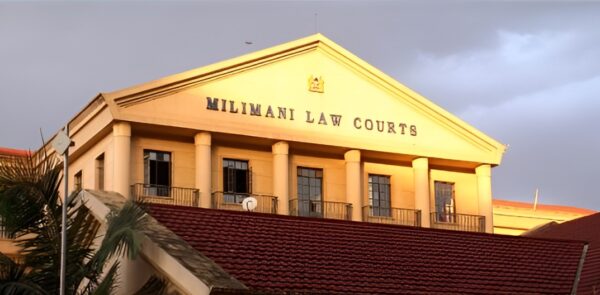
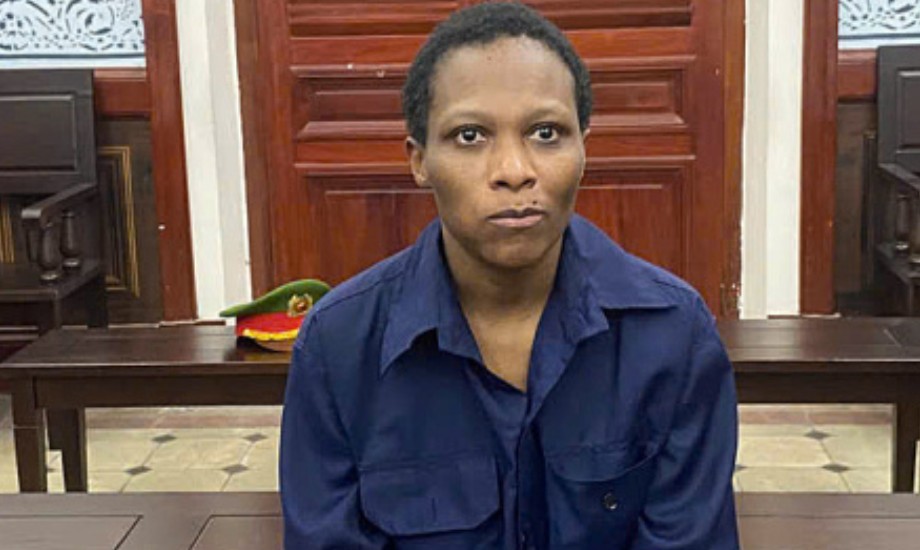
The High Court in Nairobi has quashed a decision by the Refugee Appeal Board that upheld the withdrawal of refugee status for a Rwandan national accused of participating in the 1994 genocide.
Justice Asenath Ongeri ruled that the Refugee Appeal Board erred both in law and procedure when it affirmed the Commissioner for Refugee Affairs' decision to revoke the status of Celestin Ntarwanda, who fled Rwanda in 1994 and was granted refugee recognition in Kenya in 2008.
More To Read
- Peace falters as fighting in eastern DR Congo raises fears of regional war
- Burundi closes border with DR Congo after M23 enters Uvira, sources say
- M23 rebels capture eastern DR Congo city of Uvira as thousands flee to Burundi
- Bloody clash leaves 30 dead, 20 injured as army, pro-government militia clash in eastern DR Congo
- UN hails DR Congo-Rwanda peace deal amid ongoing hostilities in the east
- Scepticism grows over DR Congo-Rwanda peace deal
Ntarwanda lost his status in 2017 after the Commissioner cited an indictment from Rwanda accusing him of genocide, incitement, and crimes against humanity. The Commissioner claimed the refugee status had been obtained through misrepresentation and concealment of material facts. The Refugee Appeal Board later upheld this decision in 2021.
However, Justice Ongeri found that both the Commissioner and the Board applied the wrong legal standard in arriving at their decision. The judge held that the applicable law at the time was the Refugee Act, 2006, which required proof that a person had committed crimes before being excluded from refugee protection.
"In contrast, the Board relied on a lower threshold contained in the Refugee Act, 2021 and international instruments, which only require 'serious reasons for considering' that a person committed such crimes," the judge stated.
The court further found that the Board's reliance on an indictment from Rwanda, the same state from which the appellant sought protection, was improper and unsupported by independent evidence. "An indictment can trigger inquiry but cannot constitute conclusive proof of guilt or misrepresentation," Justice Ongeri ruled.
The court also faulted the Board for basing its findings on "speculative and untested material," including reports and witness statements from other proceedings that were not disclosed to the appellant, thereby violating his right to a fair hearing under Article 50 of the Constitution.
Significantly, Justice Ongeri noted a serious procedural flaw in the composition of the Refugee Appeal Board. Although the hearing was conducted by three members, the final decision was signed by five, two of whom had not participated in the proceedings. The judge termed this a "gross violation of the right to a fair hearing," noting that only those who hear a matter should determine it.
Consequently, the High Court set aside the Board's decision and restored Ntarwanda's refugee status. Each party was ordered to bear its own costs.
Top Stories Today