South Sudan civil society warns AU elections could fuel instability
South Sudan civil society warns AU elections could fuel instability

Listen to article
3 min listen
Audio reading is not supported on this browser.
Ready

Thanks for listening. Continue with a related story, or tap the speaker icon on the next page to listen.

Related story

Civilians hardest hit as 138 airstrikes hit South Sudan in 2025 - MSF report

Mary Wambui  ·  1 month ago
Read next Opens a fresh page.

Participants also called for an inclusive political dialogue involving all signatories to the peace agreement, warning that excluding key stakeholders would undermine the transition.

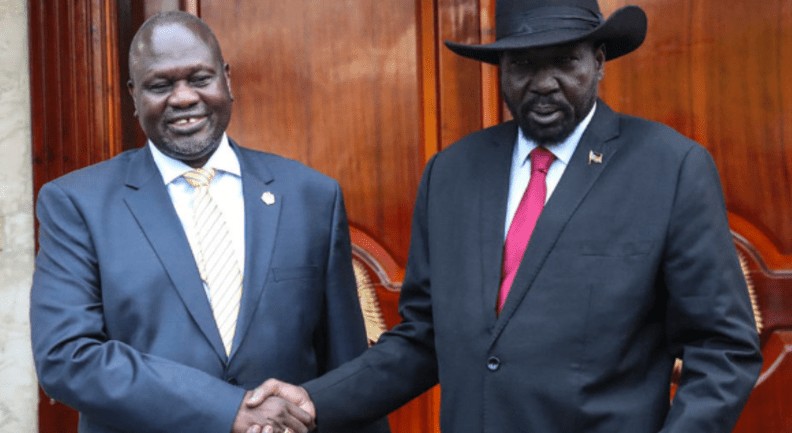
South Sudanese civil society groups have warned the African Union that planned elections could trigger fresh instability unless the country’s worsening insecurity, legal uncertainty and political divisions are addressed.
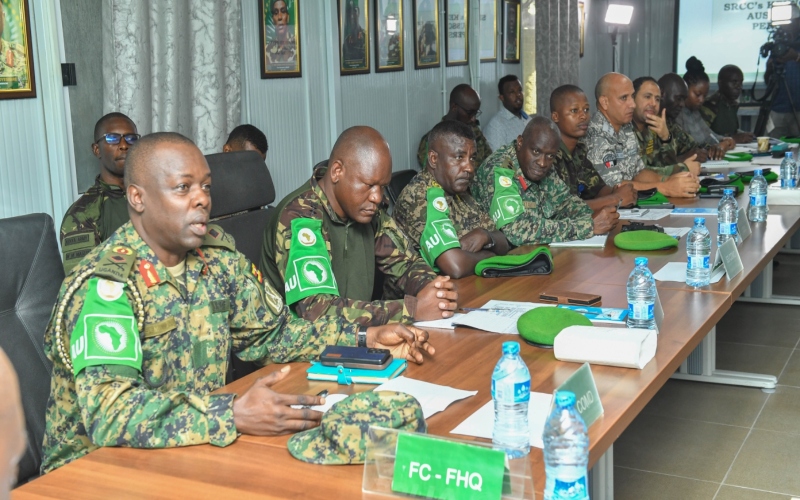
The concerns were raised on Wednesday during a meeting in Juba with the visiting African Union High-Level Ad Hoc Committee for South Sudan (AU C5), which is overseeing implementation of the country’s 2018 Revitalised Peace Agreement (R-ARCSS).
The AU C5, chaired by South African President Cyril Ramaphosa and comprising Algeria, Chad, Nigeria, Rwanda and South Africa, is mandated to support South Sudan’s peace process, election preparations and political transition.
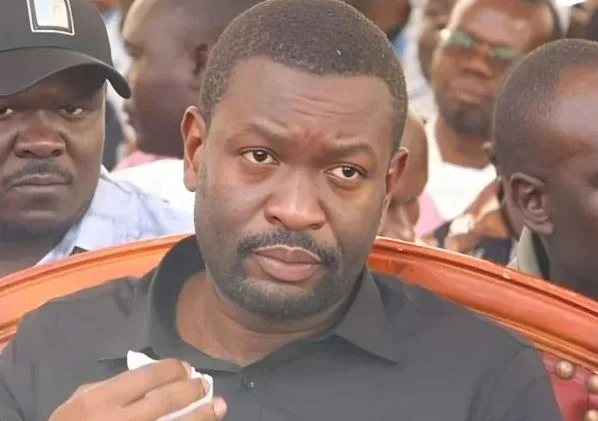
Edmond Yakani, Executive Director of the Community Empowerment for Progress Organisation (CEPO), said civil society representatives urged the delegation to prioritise credible elections over rushed timelines.
“The elections must meet the standards of free and fair within the parameters of the peace agreement,” Yakani was quoted by local media.
He cited persistent insecurity, inadequate funding for the National Elections Commission and unresolved legal questions as key obstacles to credible polls.
Participants also called for an inclusive political dialogue involving all signatories to the peace agreement, warning that excluding key stakeholders would undermine the transition.
“The ongoing planning for the inter-party dialogue must be inclusive and bring all parties to the same table,” Yakani said.
Civil society groups further argued that South Sudan’s constitutional-making process should become the centrepiece of the political transition, describing it as the country’s best opportunity to address the root causes of recurring instability.
Yakani warned that poorly prepared elections risked deepening violence rather than consolidating peace.
“If the elections are not planned well, they may create more violence across the country,” he said.
The AU delegation told participants it had taken note of the concerns and would issue an official statement after returning to the African Union headquarters in Addis Ababa.
The visit comes as South Sudan’s fragile transition faces renewed pressure from political tensions, communal violence and repeated delays in implementing key provisions of the 2018 peace agreement, including preparations for the country’s long-awaited first post-independence elections.
Comments

0
Loading comments...

Trending

Latest Stories

Popular Stories This Week