Tanzania’s internet blackout challenged at East African Court of Justice
According to the centre, the shutdown paralysed critical services including mobile banking, telehealth, emergency alerts, and access to election-related information.
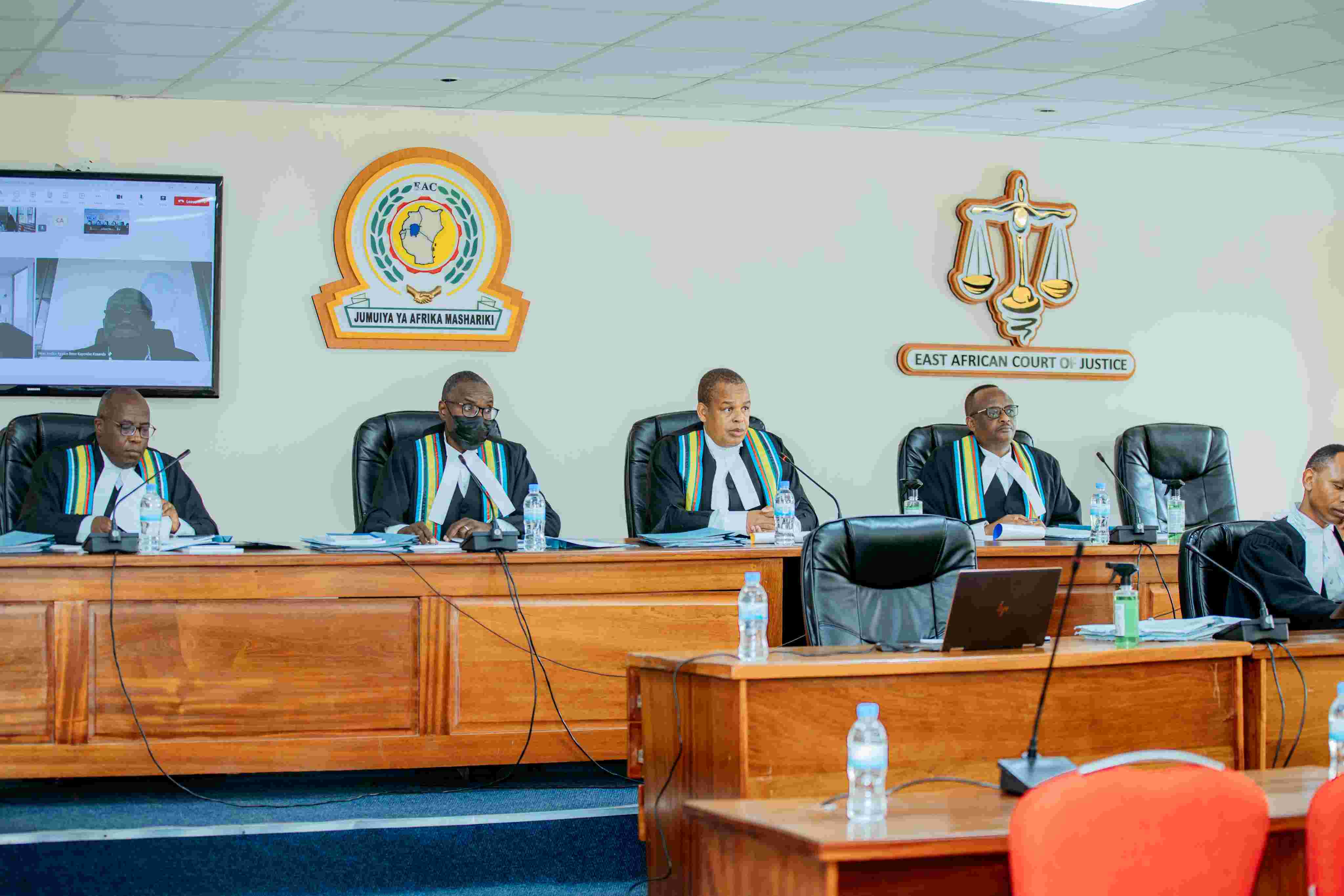
Tanzania’s Legal and Human Rights Centre (LHRC) has filed a case before the East African Court of Justice (EACJ) challenging the legality of the nationwide internet shutdown imposed between October 29 and November 4, 2025.
The rights organisation argues that the blackout, which began abruptly at 11:00 am on October 29, crippled essential digital services and caused widespread economic, social, and civic disruption across the country.
More To Read
- Tanzania mourns as CCM MP Jenista Mhagama dies amid post-election tensions
- Canada reviews Tanzania partnership after deadly post-election crackdown
- Tanzania police issue fresh warning against nationwide demonstrations
- Tanzania police dismisses social media claims of unrest amid heightened security
- Tanzania directs citizens to mark independence day from home amid protest fears
- Tanzania braces for Independence Day protests as government accuses outsiders of funding chaos
In a briefing, the Legal and Human Rights Centre said that it filed the suit on 3 December 2025 as Reference No. 56 of 2025, seeking a declaration from the court that the shutdown violated Articles 6(d), 7(2), and 8(1)(c) of the Treaty for the Establishment of the East African Community, 1999.
The organisation is also requesting a permanent injunction to prevent the government from imposing future internet shutdowns without a legal provision or court order, and a public apology to Tanzanians for the disruption and harm caused.
"LHRC prays for declaration that the internet shutdown was contrary to Articles 6(d), 7(2), 8(1) (c) of the Treaty for the Establishment of the East African Community, 1999 that the internet shutdown caused substantial and grievous harm to the public, a permanent injunction restraining the Respondent from imposing any further internet shutdown without having a specific provision of law for doing so or having a court order, issuing a public apology to all Tanzanians for the internet shutdown," the rights group stated.
According to the centre, the shutdown paralysed critical services including mobile banking, telehealth, emergency alerts, and access to election-related information. The blackout caused substantial daily economic losses and disrupted citizens’ access to public information, health services, and communications, particularly during the period of voting in late October.
"The internet shutdown paralysed economic, social and civic life, cutting off Tanzanians from essential digital services such as online banking, telehealth, emergency alerts and general media communication. It further occasioned financial losses with reports estimating daily economic costs in the millions, it deprived the public of vital information on public health, safety and security during voting, which is an important event," said LHRC.
LHRC further stated that the government’s justification, which claimed the shutdown was necessary to prevent violence, did not meet democratic standards of legality, necessity or proportionality.
The rights group is calling on the court to hold the government accountable and ensure that Tanzanians’ rights to information, communication, and access to essential digital services are protected.
The case was filed against the Attorney General of the United Republic of Tanzania. The East African Court of Justice is expected to notify the Attorney General of the United Republic of Tanzania, who will have 45 days to respond to the reference.
Top Stories Today