South Sudan health system on brink as conflict and cholera spread, MSF warns
A new MSF report warns South Sudan’s health system is near collapse as conflict, cholera and aid cuts drive mass displacement, facility closures and rising deaths across multiple states.
The conflict in South Sudan, now entering its third year, has pushed the country’s health services to breaking point, a new report by Médecins Sans Frontières (MSF) reveals.
The war has left South Sudan’s healthcare system dangerously fragile, with standards deteriorating as people struggle to access medical care. Health facilities and their staff have increasingly become targets of warring parties, particularly in the Equatorias and Upper Nile regions.
More To Read
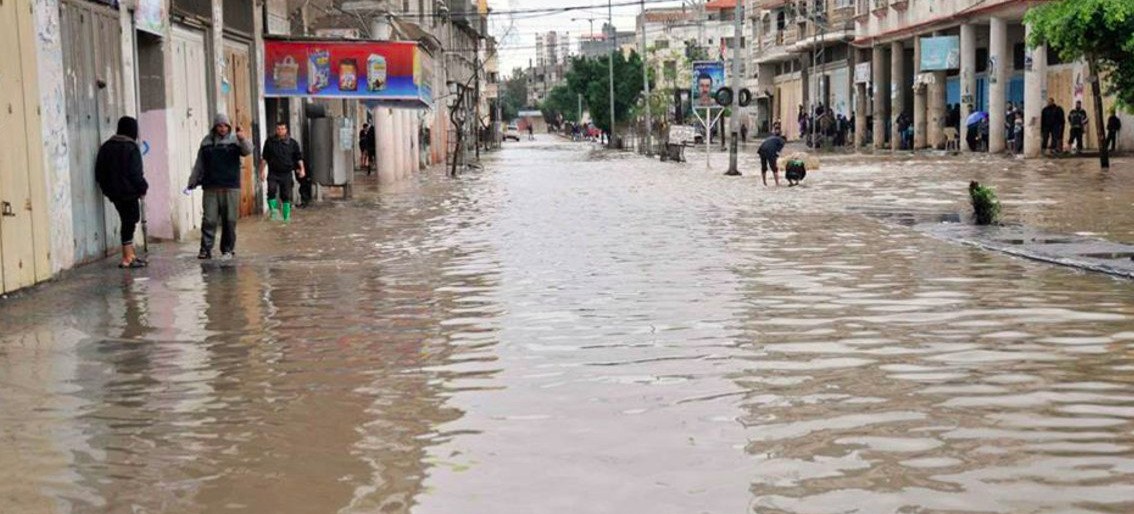
- Gaza faces humanitarian disaster with thousands trapped in flooded camps
- South Sudan deploys forces to secure Heglig oil field after Sudan RSF capture
- From protesting tyranny to saving lives: How Sudan’s networks are responding to war
- Gunman hijacks aid plane in South Sudan, arrested after safe landing in Wau
- Sexual violence driving mass flight from Sudan to South Sudan: What you need to know
- 1,000 weapon‑wounded patients treated in South Sudan hospitals this year - ICRC
Today, South Sudan remains among the five most dangerous places in the world to deliver humanitarian assistance.
The report notes that fatalities among aid workers were already higher by November 2025 than in all of 2024, with all victims being local civilians.
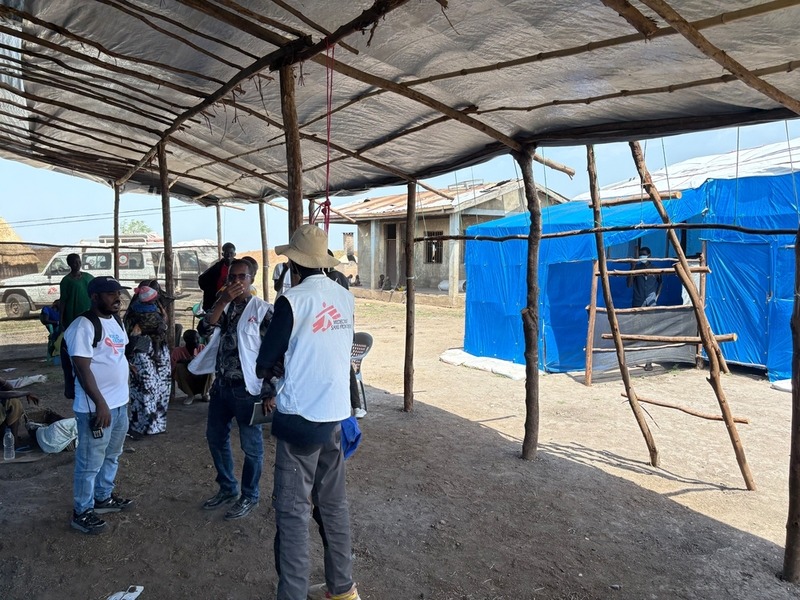
This year, MSF alone experienced eight targeted attacks on its staff and facilities, forcing the closure of two hospitals in Greater Upper Nile and the suspension of primary care activities in Jonglei, Upper Nile, and Central Equatoria.
MSF filling critical gaps
MSF has operated in what is now South Sudan since 1983, making it one of the organisation’s largest coverage areas. Its operations span six states and two administrative areas, filling critical gaps in healthcare services.
The escalating violence in 2025 follows rising tensions in 2024 linked to the long-running power struggle between President Salva Kiir and First Vice-President Riek Machar.
Clashes between the government-led South Sudan People’s Defence Forces (SSPDF), the Sudan People’s Liberation Army-in-Opposition (SPLA/IO), and non-state armed groups erupted across Upper Nile, Jonglei, Unity, Central Equatoria, and Warrap states.
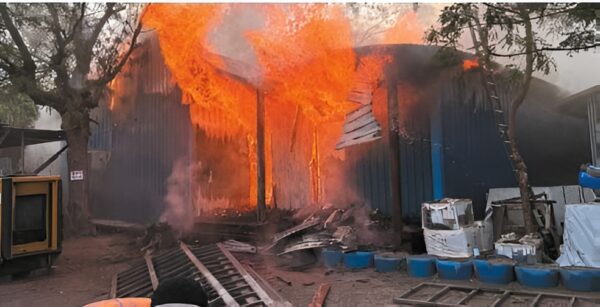 An MSF hospital in Old Fangak, South Sudan after being bombed on May 3, 2025. (Photo: MSF)
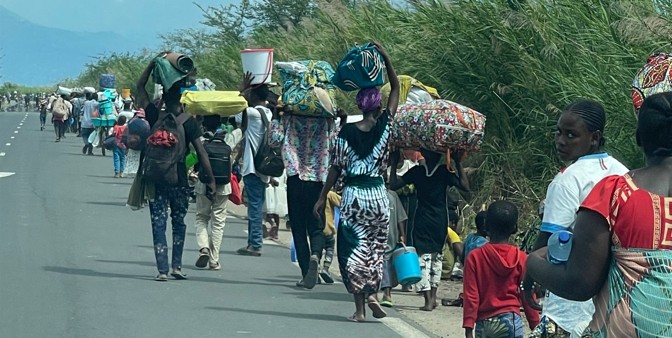
“By November 2025, an estimated 320,000 people had been newly displaced within South Sudan, adding to the 2.2 million internally displaced people (IDPs) already living in formal and informal displacement sites since previous years of civil war,” the report states.
A cholera outbreak that began in Sudan in August 2024 rapidly spread across the border, highlighting severe gaps in WASH (water, sanitation, and hygiene) infrastructure and healthcare in South Sudan. By October 2025, the outbreak had claimed over 1,500 lives.
Wounded in violence
MSF teams have also treated hundreds of people wounded by violence in 2025, including women and children.
An estimated 190,000 people have fled South Sudan for neighbouring countries—Ethiopia, Uganda, the Democratic Republic of Congo, and Sudan—while over one million have been displaced into South Sudan due to the ongoing war in Sudan.
The report is based on MSF medical data and interviews with 26 community members, patients, caretakers, and staff (primarily South Sudanese) conducted across MSF projects between September and November 2025.
It warns that the nation is facing a multi-crisis, with emergencies that are interconnected and exacerbated by longstanding gaps in basic services, including health and WASH.
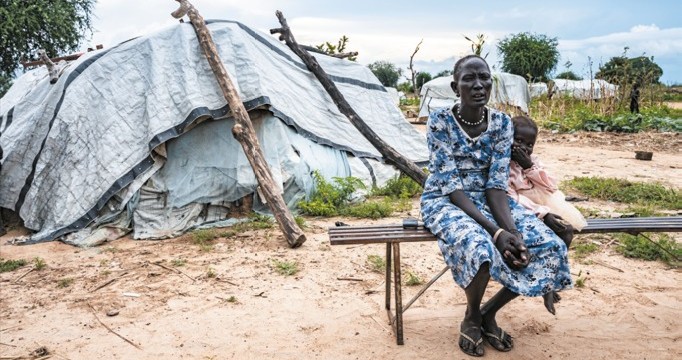
Key entry and transit areas, including Renk and Malakal in Upper Nile State, are severely overcrowded, with people living in dire conditions and lacking sufficient food, clean water, and shelter.
Worsening situation
“The worsening situation in South Sudan follows years of conflict, declining international interest, and chronic underfunding for both health and humanitarian responses. Major UK aid cuts in 2022 left around 200 facilities, including eight major hospitals, unsupported, and severe funding cuts in 2025 compounded this,” the report says.
It adds that the US suspension and subsequent termination of many humanitarian contracts significantly impacted the country, leading to a drastic reprioritisation of the Humanitarian Needs and Response Plan (HNRP) and reducing the number of people targeted for assistance from 5.4 million to 2.9 million, despite an estimated 9.3 million people—70 per cent of the population—being in need.
This is occurring while over 80 per cent of health services in the country are provided by non-governmental organisations (NGOs).
In 2025, MSF launched 12 additional emergency projects in response to cholera, malaria peaks, flooding, and violence-induced displacement, compared with five in 2024.
In 2024 alone, MSF teams treated over 800,000 people in outpatient consultations and 84,800 patients requiring hospitalisation.
Little health budget
The national government allocates just 1.3 per cent of its budget to health, far below the 15 per cent target pledged by African Union countries in 2001.
Across all MSF operational areas, the primary care system is struggling to deliver even basic services.
“Many primary healthcare facilities, including those at the community level—primary health care units (PHCUs) that refer to primary health care centres (PHCCs) for more comprehensive treatment—are closed or lack staff and drugs to deliver consistent and effective care,” the report says. It adds that facilities quickly become non-functional when international support is withdrawn.
Consequently, South Sudan now has some of the worst health indicators globally. Chronic underinvestment and inadequate service provision mean malaria, HIV/AIDS, and TB are leading causes of illness and death. Maternal, neonatal, and under-five mortality rates remain unacceptably high. Food insecurity and malnutrition are widespread, and the combination of conflict, cholera, food shortages, and the closure of nutrition services in 2025 is expected to push conditions to critical levels, especially in Jonglei, Unity, and Upper Nile states.
Private clinics and pharmacies
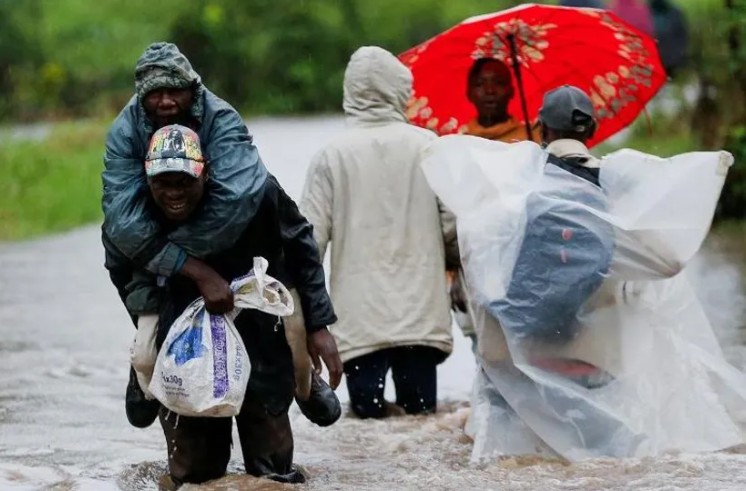
The lack of functioning facilities forces people to seek treatment in private clinics and pharmacies, often unaffordable, or to travel long distances to MSF facilities, sometimes at high cost. In Twic County, patients may walk a full day to reach MSF services, while in other hard-to-reach areas affected by floods and violence, people travel several hours, including by boat.
Sexual and gender-based violence (SGBV) is widespread but heavily underreported due to stigma, fear, and limited access to care.
Although SGBV care is a core part of primary healthcare, fewer than 30 per cent of facilities provide such services, and there is a severe shortage of staff trained in the clinical management of rape (CMR). Basic psychosocial support is also insufficient.
As MSF adapts its medical programmes to the evolving context, the report emphasises that escalating violence and attacks on health facilities and humanitarian workers pose significant challenges. The country remains in urgent need of a flexible medical and humanitarian response capable of meeting the needs of affected communities, particularly in conflict-affected areas.
Top Stories Today