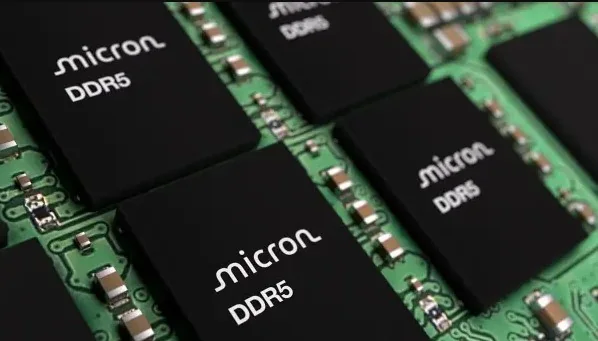
Consumers planning to buy smartphones, laptops, gaming consoles, or AI-powered computers may need to prepare for higher prices in the years ahead after memory chip manufacturer Micron Technology indicated that memory costs could remain elevated for as long as five years.
The warning comes as demand for high-performance memory used in artificial intelligence (AI) servers continues to outpace supply, fundamentally reshaping the global semiconductor market.
Micron, one of the world's three largest manufacturers of DRAM and NAND flash memory alongside Samsung Electronics and SK hynix, said the industry is entering a period of sustained demand driven largely by AI infrastructure, cloud computing and next-generation consumer electronics.
AI is driving an unprecedented surge in memory demand
Unlike traditional computers, AI systems require significantly larger amounts of high-speed memory to process enormous datasets and run advanced machine learning models.
This has triggered record demand for products such as High Bandwidth Memory (HBM), a specialised type of memory used in AI accelerators produced by companies including Nvidia, AMD and Intel.
Micron executives noted that investments in memory production are struggling to keep pace with the explosive growth in AI computing, creating a supply-demand imbalance that could persist well into the next decade.
The company expects pricing for advanced memory products to remain strong as hyperscale cloud providers and technology companies continue investing billions of dollars in AI infrastructure.
What it means for consumers
Memory chips are among the most essential components in modern electronic devices. As DRAM and NAND prices rise, manufacturers often pass those additional costs to consumers.
Industry analysts say sustained high memory prices could affect products such as:
• Smartphones
• Laptops and desktop computers
• Tablets
• Gaming consoles
• AI-enabled PCs
• Data storage devices
• Solid-state drives (SSDs)
• Enterprise servers
Although memory represents only one component of a device's total manufacturing cost, prolonged increases can contribute to higher retail prices, particularly for premium products with large storage capacities and advanced AI capabilities.
Why prices may stay elevated
Several factors are contributing to the expected long-term increase in memory costs. These include:
• Explosive global investment in artificial intelligence
• Strong demand for High Bandwidth Memory (HBM)
• Limited expansion of semiconductor manufacturing capacity
• High costs of building new fabrication plants
• Increasing complexity of next-generation memory technologies
Unlike previous semiconductor cycles, where oversupply often led to falling prices, analysts believe AI demand could keep the market relatively tight for several years.
Industry shift toward AI
Memory manufacturers are increasingly prioritising production of premium AI memory products because they generate significantly higher profit margins than conventional DRAM chips used in consumer devices.
As a result, production capacity that previously supplied smartphones and PCs is gradually being redirected toward AI data centres.
This shift has strengthened pricing power across the memory industry while making it more difficult for electronics manufacturers to secure lower-cost components.
Technology companies that rely heavily on memory components, including smartphone makers, PC manufacturers and cloud service providers, may face higher production costs if current market conditions persist.
Businesses developing AI-powered devices are expected to absorb some of these costs, while others could pass them on to customers through higher retail prices.
Manufacturers may also seek alternative ways to reduce costs, including optimising hardware designs, improving manufacturing efficiency or limiting memory configurations on entry-level devices.
The semiconductor industry is undergoing one of its biggest transformations in decades as artificial intelligence becomes the primary driver of hardware demand.
Rather than being fueled by smartphone upgrades or personal computers, the current memory boom is being led by AI servers requiring enormous amounts of specialised memory.
If Micron's outlook proves accurate, consumers could experience a prolonged period in which electronic devices remain more expensive than in previous technology cycles, even as manufacturers continue introducing increasingly powerful AI-enabled products.
For buyers planning major technology purchases, the era of steadily falling storage and memory prices may, at least temporarily, be coming to an end.

















































Comments
Sign in with Google to comment, reply, and like comments.
Continue with Google