Bobi Wine warns Uganda election no longer democratic, accuses Museveni of coercion
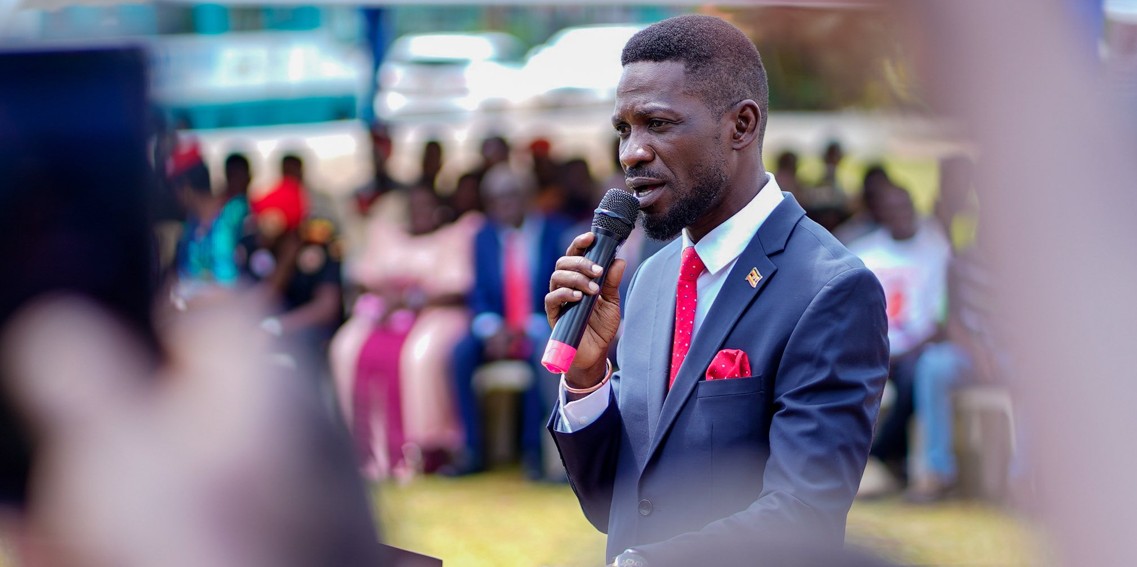
Uganda opposition leader Bobi Wine tells CNN the coming election is now a confrontation with the state, accusing President Museveni of coercion as journalists and supporters face force at rallies.
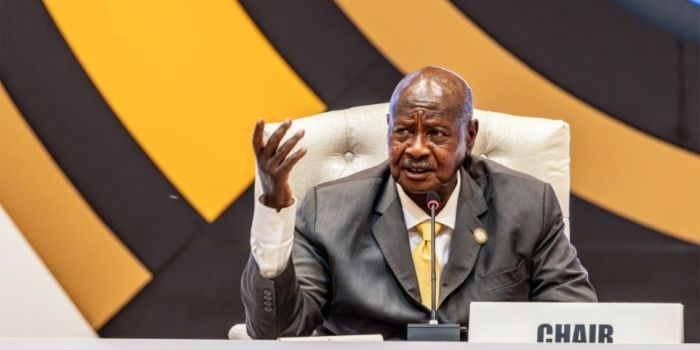
Uganda's opposition leader Bobi Wine says the country’s upcoming election has ceased to resemble a democratic contest and has instead become a confrontation with the state.
Speaking to CNN, the pop star-turned-politician accused President Yoweri Museveni’s security forces of treating the campaign trail as a battlefield rather than a forum for political competition.
More To Read
- Ugandan military confirms it is holding missing Catholic priest missing for two weeks amid public outcry
- Uganda rights groups sound alarm over military crackdown ahead of presidential poll
- Uganda signals possible social media shutdown ahead of 2026 polls
- Uganda opposition candidates present policies as Museveni skips live presidential debate
- Uganda: One dead, several injured in Iganga campaign violence
- Ugandan police accuse NUP supporters of attacking officers at Bobi Wine rally
"General Museveni sees Uganda as his personal property," Mr Wine said, arguing that the election is being managed through coercion rather than consent.
His claim is not merely rhetorical. Journalists covering one of his recent rallies were tear-gassed alongside supporters as police and soldiers dispersed the gathering—an episode that rights groups say reflects a familiar election-season pattern in Uganda: opposition mobilisation met with force, followed by official denials.
Mr Museveni, in power since 1986, is seeking to extend his rule into a fifth decade.
Mr Wine's warning frames the vote less as a choice between policy platforms than as a test of whether elections still serve as a meaningful check on executive power.
His campaign has faced repeated roadblocks, cancelled rallies, and assaults on supporters, according to his party.
The authorities deny targeting the opposition. Uganda’s police spokesman, Rusoke Kituuma, said security agencies aim to ensure the election proceeds with "minimal damage to individuals and property."
Yet the government’s own actions suggest heightened anxiety. This week, the Ministry of Information issued mandatory safety and conduct guidelines for journalists, urging them to prioritise personal security and observe strict neutrality while covering what officials describe as a peaceful process.
Some reporters were unconvinced. Andrew Bagala of the Daily Monitor remarked that the directive amounted to an admission that covering the election had become dangerously risky.
Top Stories Today