UN urges Ethiopia and Eritrea to respect border pact amid rising tensions
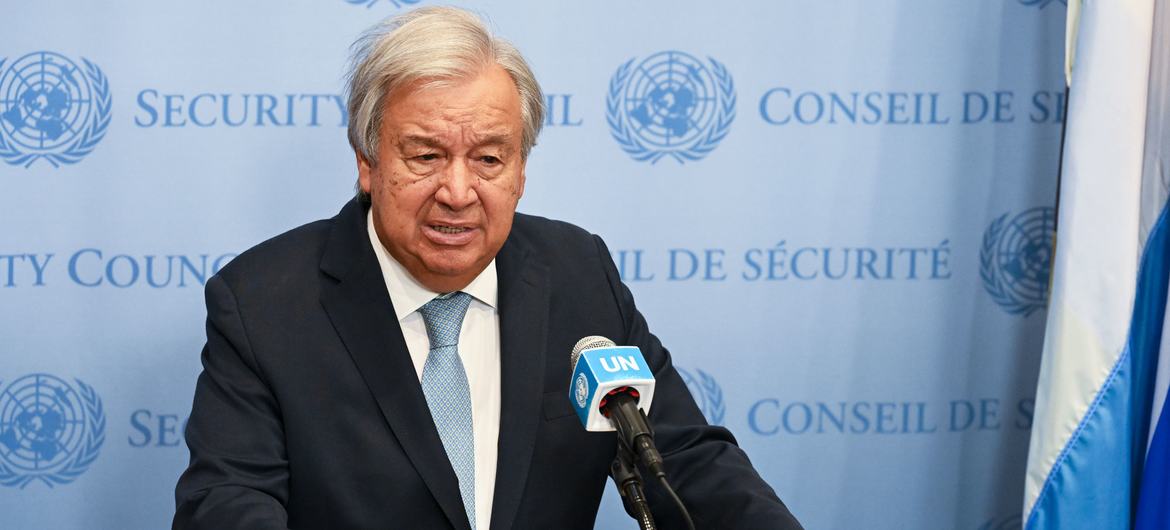
UN chief Antonio Guterres expressed concern over what he described as “renewed tensions” and urged both countries to step back from hostile actions.
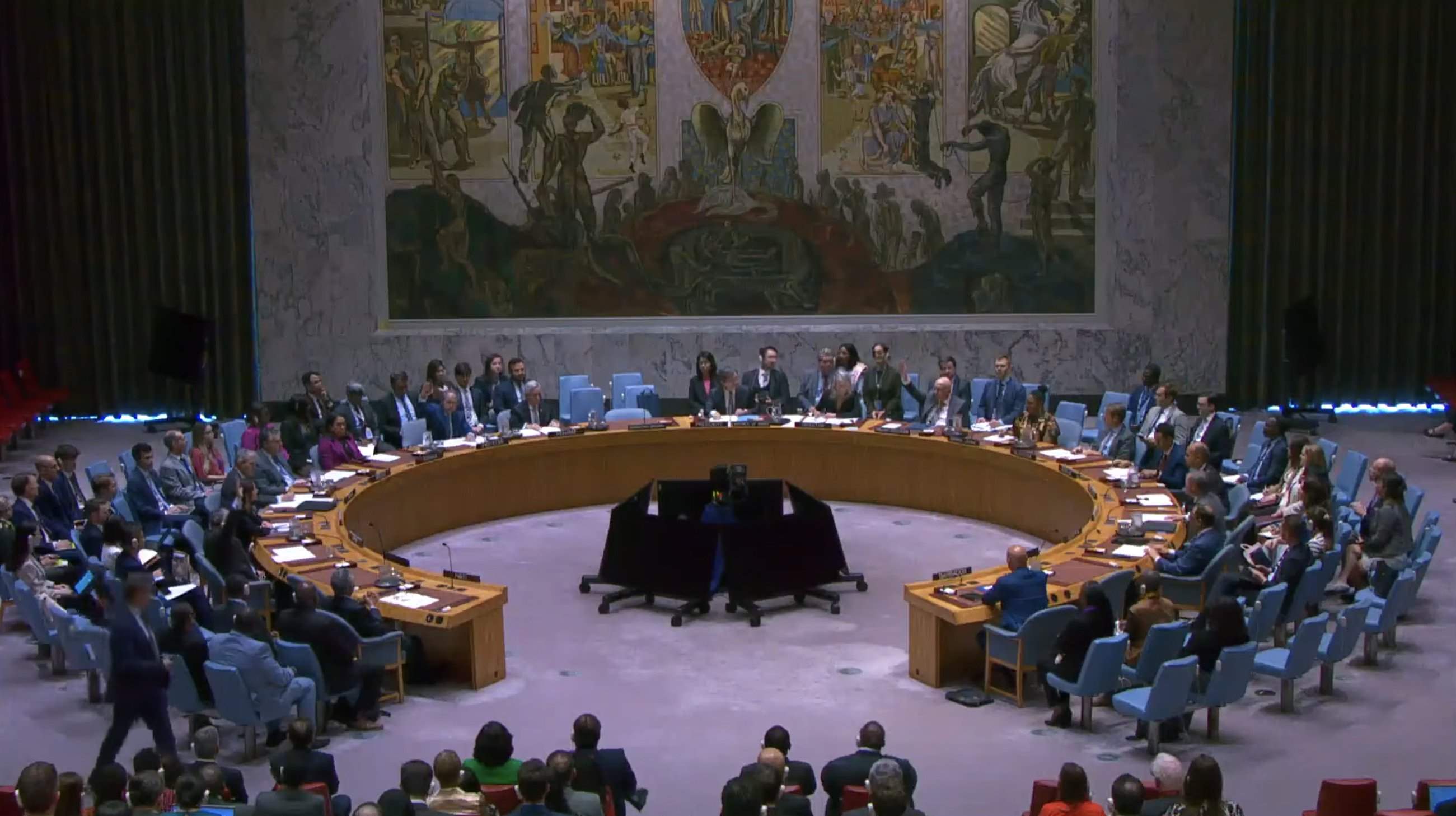
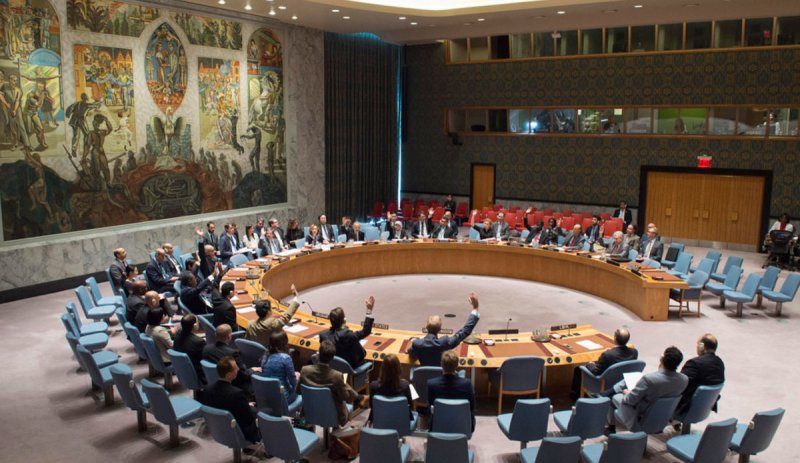
The United Nations (UN) has called on Ethiopia and Eritrea to uphold their shared border agreement and respect each other’s territorial boundaries, warning that rising tensions between the two neighbours could undo years of fragile calm in the Horn of Africa.
In a statement issued through his spokesman, UN chief Antonio Guterres expressed concern over what he described as “renewed tensions” and urged both countries to step back from hostile actions.
More To Read
- Djibouti confirms Eritrea’s formal exit from IGAD regional bloc
- IGAD regrets Eritrea’s ‘premature’ withdrawal from regional bloc
- Eritrea withdraws from IGAD for second time, citing ‘failure to meet aspirations of the region’
- Gaza faces humanitarian disaster with thousands trapped in flooded camps
- Peace on paper, pain in reality: Tigray’s forgotten suffering, struggle for justice
- UN warns human rights face growing threats worldwide in 2025 as funding for activists falls
He appealed to Addis Ababa and Asmara to “recommit to the vision of lasting peace and the respect for sovereignty and territorial integrity” as set out in the Algiers Agreement that ended their earlier border war.
For several months, Ethiopia and Eritrea have exchanged sharp accusations, fueling fears of another armed confrontation.
Eritrea has accused Ethiopia of seeking access to its Assab port, a claim that has heightened suspicion given Ethiopia’s landlocked status since Eritrea gained independence in 1993 after a long armed struggle.
Ethiopian authorities, on their part, have alleged that Eritrea is “actively preparing for war” and supporting armed groups fighting federal forces.
These claims have further strained relations between the two countries, which have struggled to build lasting trust since the end of their 1998–2000 border conflict that left tens of thousands dead.
Relations have remained uneasy despite periods of engagement.
Fighting later flared in Ethiopia’s northern Tigray region, which borders Eritrea and became the centre of a devastating conflict between 2020 and 2022.
The war left deep scars, with some estimates putting the death toll at up to 600,000 people.
Ethiopian Prime Minister Abiy Ahmed, who has been in power since 2018, received the Nobel Peace Prize in 2019 after signing a peace deal with Eritrean President Isaias Afwerki, who has led Eritrea since its independence.
The agreement raised hopes of a new chapter between the two countries after years of hostility.
However, those hopes have since faded. Although Ethiopia and Eritrea fought on the same side against Tigrayan forces during the conflict in northern Ethiopia, their cooperation did not translate into lasting political trust.
Eritrean forces were accused of widespread abuses during the fighting, and Eritrea was not part of the agreement later signed between Addis Ababa and the Tigray People’s Liberation Front.
The latest diplomatic strain comes as Eritrea announced on Friday that it was withdrawing from the East African regional bloc IGAD.
In a statement on Friday, the Eritrean Foreign Ministry accused the organisation of failing to promote stability in the region.
“IGAD has not only failed to meet the aspirations of the peoples of the region, but instead played a deleterious role, becoming a tool against targeted member states, particularly Eritrea,” the ministry said.
The UN has warned that continued hostility risks destabilising an already fragile region and has urged both governments to choose dialogue and restraint over confrontation.
Top Stories Today