Conflict-induced disruptions and export bans in some countries in the Sahel region have resulted in a surge in sheep prices in the Ivory Coast, ahead of Eid Al-Adha celebrations next week.
Local media reported on Saturday that around 75 per cent of the sheep needed for Tabaski, the local name for Eid Al-Adha, come from countries such as Burkina Faso and Mali.
Burkina Faso banned the export of livestock earlier this month to curb soaring domestic meat prices and ensure sufficient local supply ahead of Eid Al-Adha, following a similar move by Niger to avoid a spike in prices ahead of the Muslim Eid Al-Adha holiday, as announced earlier by the commerce ministry.
In Mali, it is reported that local terror groups have blocked roads, making transportation risky.
As a result of supply challenges, a ram that was selling at 200,000 CFA francs ($354) is now going for 250,000 CFA francs ($442), a price that is out of reach for the majority of the population in the Ivory Coast.
A local buyer, Kassoum Ouottara, who spoke to AFP, said he was struggling to find a ram at his usual price of 150,000 CFA Francs ($265).
Local media added that the large size of the sheep imports led to the heavy reliance on sheep from the Sahel for the celebration, as locally bred sheep were deemed smaller.
Meanwhile, at Dubai's Al Qusais market, livestock prices have risen by as much as 40 per cent ahead of the religious festival, due to increased shipping fees following the effective closure of the Strait of Hormuz.
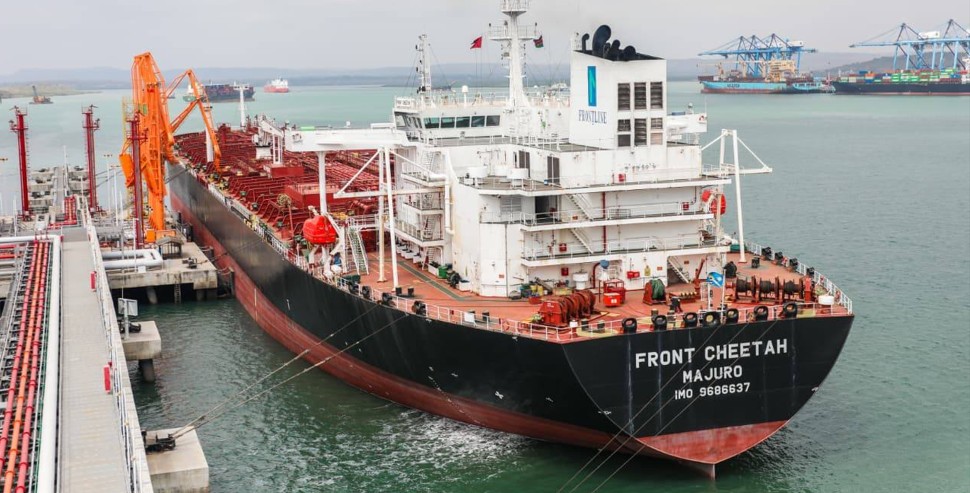
Animals from Somalia are typically transported by sea, with tension in the Strait of Hormuz leading to a rise in prices and prompting sellers to seek alternative plans, such as flying in livestock from India.
State-owned English paper The National quoted one Amran Khan, a long-time livestock trader and owner of Muhammad Ejaz livestock trading, as saying that the price of animals used for sacrificial meat typically goes up during the Eid Al-Adha rush but is now compounded by the challenges of the conflict.
“Usually, before and during Eid, prices of livestock increase due to supply and demand, but with the tension in the region, the prices surged. Prices of transportation also increased, affecting the cost. We used to sell Somali sheep for Dh750 ($204), and today it's between Dh1,000 ($272) and Dh1,100 ($300),” Khan said.
According to Abdulla Al Abbasi, the manager of the abattoir section at Dubai Municipality, the emirate's slaughterhouses have the capacity to process up to 1,000 animals an hour.
“About 20,000 sacrificial animals are expected to be processed in Dubai for this year's Eid Al-Adha festival,” he told The National.
Eid Al-Adha is celebrated on the 10th day of Dhul-Hijjah, the 12th and final month of the Islamic calendar.
The day commemorates the story of Abraham being prepared to sacrifice his son Ishmael in obedience to God, but was instead provided with a ram. This act is honoured through the ritual slaughter of sheep or goats, after a short period of prayer and fasting. The meat is traditionally divided among family, friends and those in need.
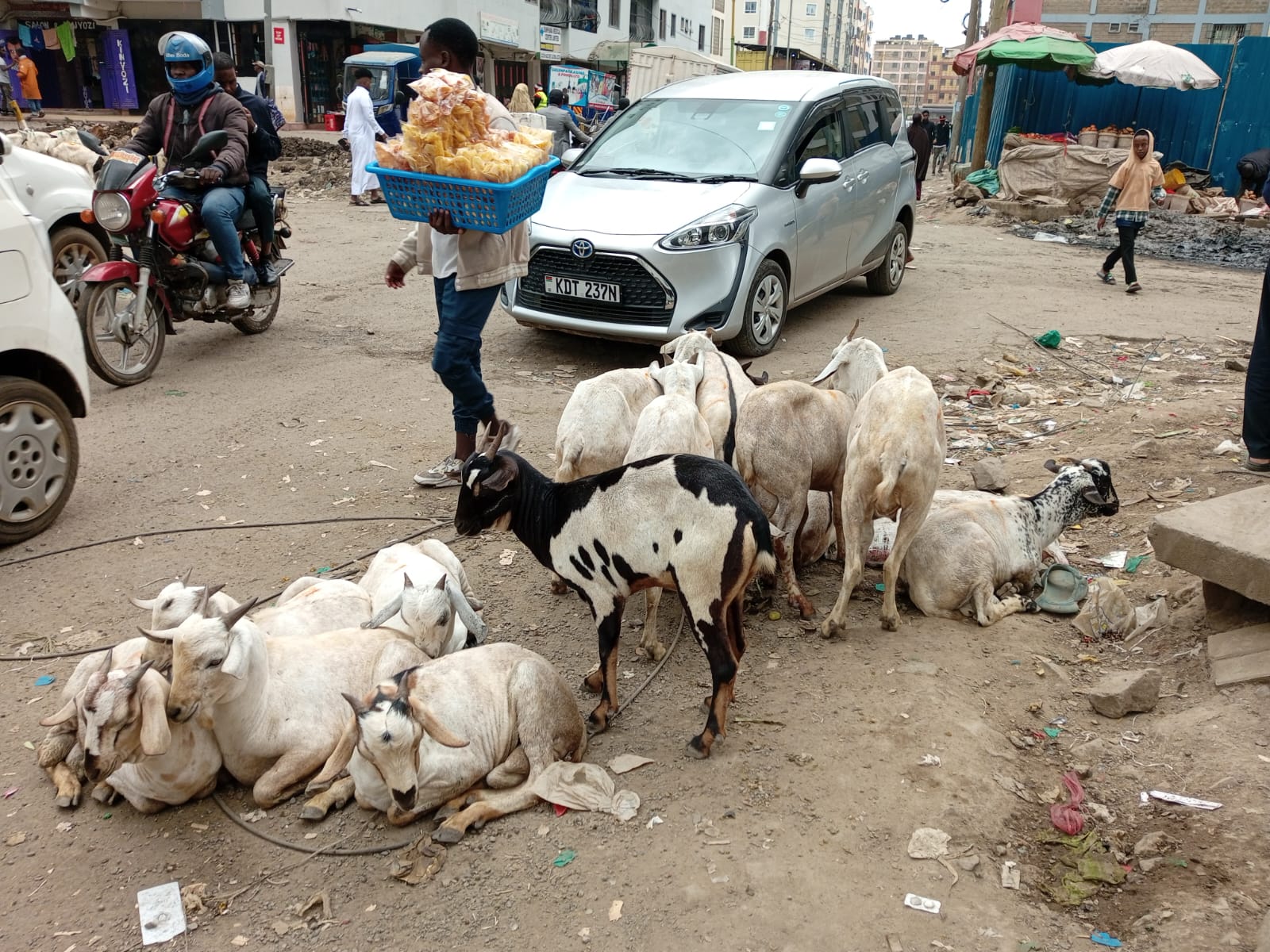
In Kenya, Muslims affiliated with the Kenya Fatwa Council are set to celebrate Eid Al-Adha on the same day as Saudi Arabia after the council confirmed the holiday will fall on Wednesday, May 27.
Last year, a number of Kiamaiko livestock traders opted to walk their sheep closer to their target market in Eatsleigh and sold the animals at a slightly higher price of Sh18,000 for a big goat, as a small goat went for Sh11,000.
The cost had gone up from that of the previous year, when the most expensive goats were sold at between Sh7,000 and Sh8,000.
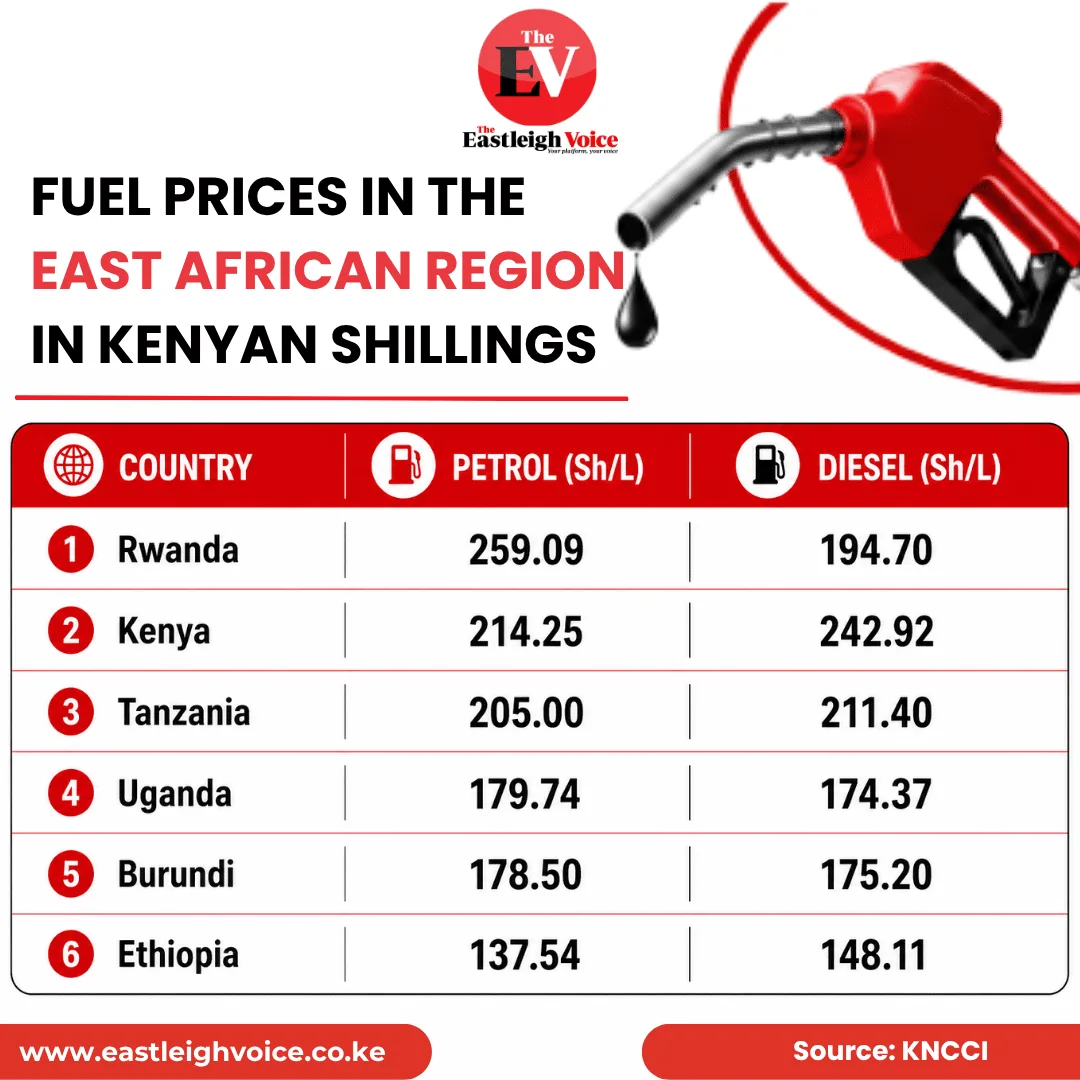
The soaring cost of fuel is likely to push prices even higher this year.










































Comments
Sign in with Google to comment, reply, and like comments.
Continue with Google