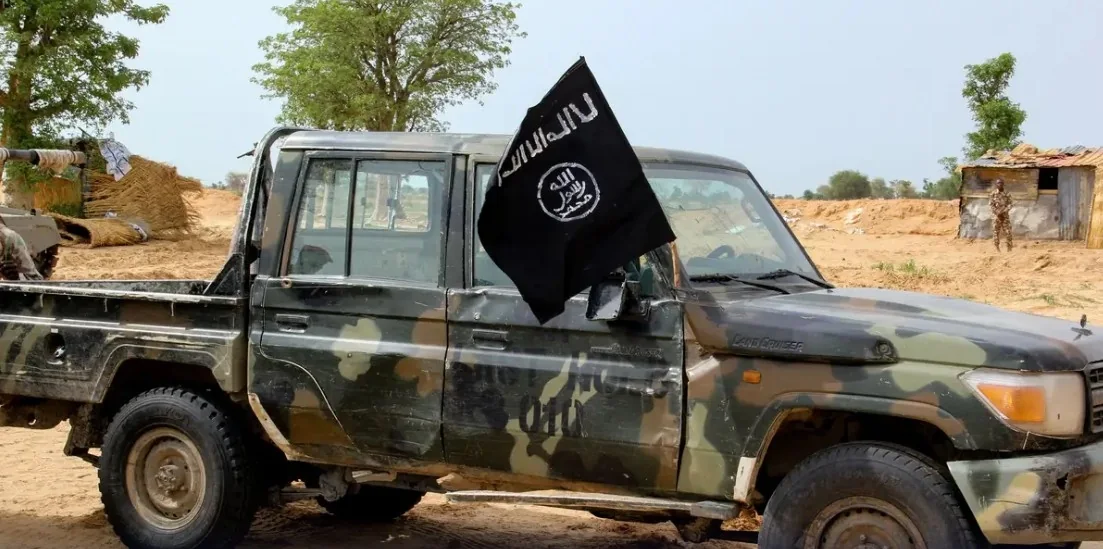
The Nigerian Defence Forces (AFN) has profiled Abu‑Bilal al‑Minuki, a senior ISIS leader killed on Saturday morning during a joint operation with the US army in the Lake Chad Basin.
In a statement, AFN Director of Defence Information, Major General Samila Ubam, said Al‑Minuki, also known as Abu‑Mainok, was a key ISIS operational and strategic figure who guided the group’s entities outside Nigeria on matters relating to media operations, economic warfare, and the manufacture of weapons, explosives, and drones.
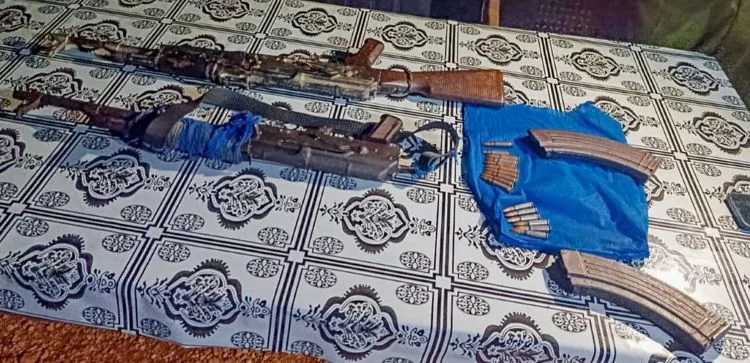
The slain 44‑year‑old Nigerian‑born terrorist was killed alongside several of his lieutenants at his compound during Operation HADIN KAI (OPHK), which commenced at approximately 1:00 am and concluded around 4:00 am on May 16. The operation followed a joint intelligence effort involving legal intercepts and sustained reconnaissance.
"Following confirmed intelligence that Al‑Minuki and his international terrorist cell had established a concealed and fortified enclave at Metele in Borno State within Sector 3 OPHK, the US partners, in conjunction with OPHK, conducted precision air‑ground operations on the confirmed location while Special Forces were deployed to provide security and deny escape routes as well as to extract any of the Teams or air platforms in distress," the AFN stated.
In June 2023, the US State Department officially designated Al‑Minuki as a Specially Designated Global Terrorist (SDGT) and placed him under the US Office of Foreign Assets Control sanctions list due to his senior leadership role in the Islamic State of Iraq and the Levant (ISIL).
According to AFN intelligence, as recently as February 2026, Minuki may have been elevated to Head of the General Directorate of States, making him the second most senior leader within ISIS’s global hierarchy.
At the same time, Al‑Minuki is said to have served in 2023 as the Nigeria‑based al‑Furqan GDP Office Emir, overseeing ISIS‑linked operations across the Sahel and West Africa, including attacks against civilians, particularly ethnic and religious minority communities, the army said.
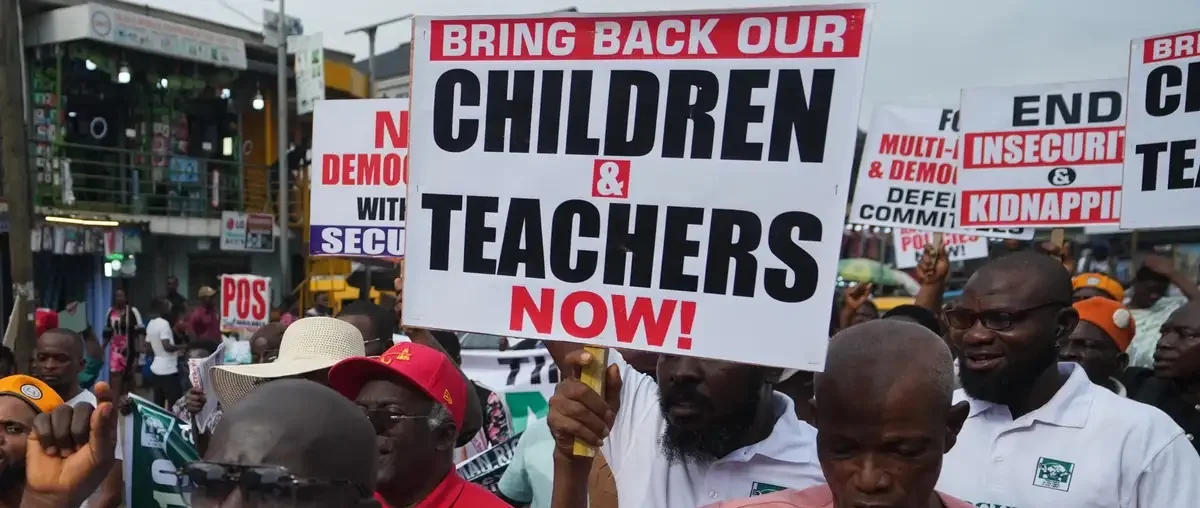
Nigerian forces added that he maintained longstanding operational ties with ISIS‑West Africa and was linked to the 2018 Dapchi kidnapping of over 100 schoolgirls.
Intelligence records further show that between March 2015 and early 2016, he facilitated the movement of fighters to Libya in support of ISIS operations in North Africa. Before pledging allegiance to ISIS in 2015, Minuki was also recognised as a prominent leader within Boko Haram.
According to the Counter Extremism Project, he operated as a senior commander for the Islamic State West Africa Province (ISWAP) and directed operations for the Lake Chad division of ISIS’s General Directorate of Provinces (GDP).
Targeted operations by US forces and the Global Coalition against ISIS have continued to weaken the group’s strongholds in Iraq and Syria.
This forced ISIS to shift much of its strategic focus and resources to Africa, making Sub‑Saharan Africa the global epicentre for violent extremism, with the continent accounting for over half of all terrorism‑related deaths globally.
Continued counterterrorism operations, however, saw the group degraded in Somaliland last year by multiple airstrikes, shrinking its territory in Somalia and leaving West Africa and the Sahel region as its key strongholds.
Nigerian forces said that by eliminating Al‑Minuki, they have disrupted a violent terrorist network that endangered Nigeria and the broader West African region.
“The precision operation was the result of our recently formed US‑Nigeria partnership and intelligence sharing efforts. His death removes a critical node through which ISIS coordinated and directed operations across different regions of the world,” the AFN said, pledging to continue operations aimed at dismantling terrorist infrastructure, protecting civilians, and ensuring lasting peace and stability across the nation and wider region.




















Comments
Sign in with Google to comment, reply, and like comments.
Continue with Google