Kenya’s merchandise trade deficit widened by nearly a quarter in the first three months of the year as a faster rise in imports outpaced export growth, despite an overall expansion in international trade activity.
The latest Quarterly Balance of Payments report by the Kenya National Bureau of Statistics (KNBS) shows the country’s trade gap increased to Sh438.1 billion in the period under review, up from Sh359.3 billion recorded in the same quarter of 2025.
This represents a deterioration of about 22 per cent year-on-year.
This came as total merchandise trade expanded by 15.2 per cent to Sh1.05 trillion during the period, supported by growth in both exports and imports.
However, the import bill grew at a faster pace, rising by 17.1 per cent to Sh744.9 billion, compared with export growth of 10.8 per cent.
“The increase was attributable to growth in both imports and exports. However, imports grew at a faster pace than exports, leading to a deterioration in the trade balance,” KNBS said in the report.
Kenya’s domestic export earnings increased to Sh249.1 billion from Sh238.6 billion a year earlier, supported mainly by stronger performance in horticulture, apparel and coffee exports.
Earnings from horticultural products rose by 10.5 per cent, while income from articles of apparel and clothing accessories increased by 10.2 per cent.
Coffee export earnings also improved by 7.5 per cent to Sh16.8 billion from Sh15.7 billion, supported by higher international prices.
Industrial exports recorded significant gains, with earnings from industrial machinery more than tripling to Sh9.8 billion, largely driven by increased exports of bifacial solar cells.
However, tea earnings declined by 1.7 per cent to Sh45.3 billion, while exports of animal and vegetable oils dropped by 23.2 per cent to Sh6.4 billion.
Food and beverages remained the largest contributor to domestic export earnings, accounting for 44 per cent of receipts during the quarter, driven largely by primary food exports.
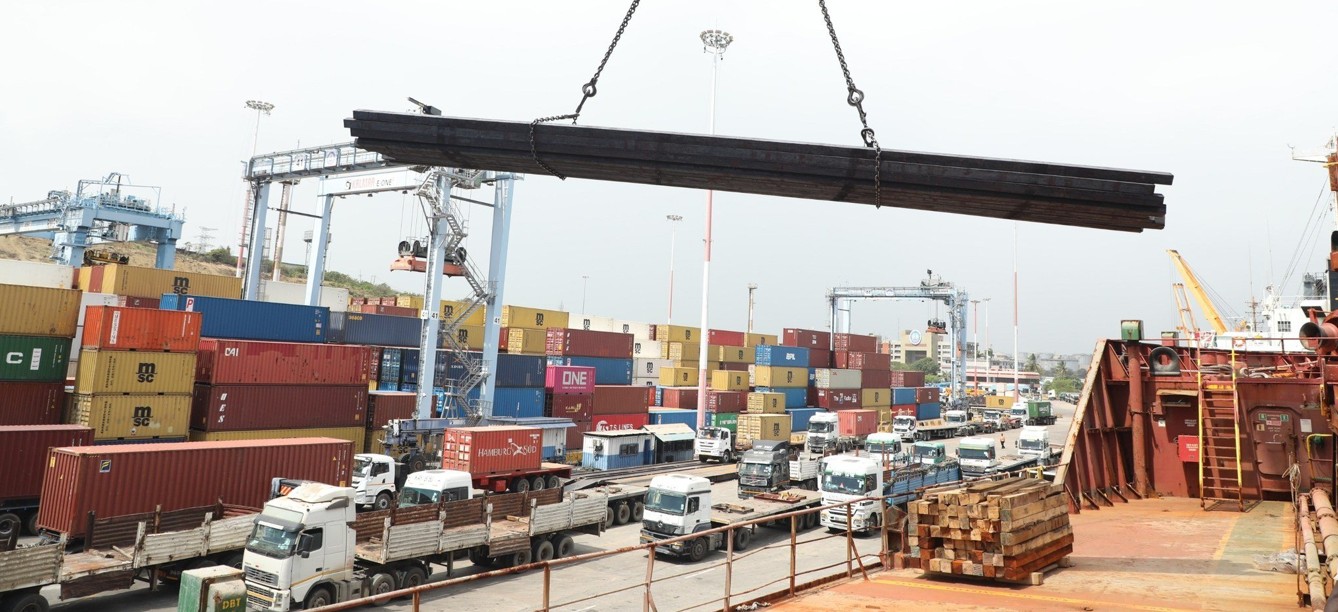
On the import side, Kenya’s higher expenditure was driven by increased demand for petroleum products, agricultural inputs, machinery and food commodities.
The petroleum import bill rose to Sh143.7 billion from Sh123.5 billion, while spending on chemical fertilisers more than doubled to Sh30 billion.
Imports of road motor vehicles increased to Sh38.7 billion from Sh28.1 billion, while industrial machinery imports rose to Sh86.3 billion from Sh81 billion.
The country also recorded sharp increases in wheat and rice imports, with expenditure rising to Sh22.3 billion and Sh21.8 billion, respectively.
Asia remained Kenya’s largest source of imports, accounting for 72.6 per cent of the total import bill, with purchases from the region rising to Sh541.1 billion.
Imports from China and India increased by 29.2 per cent and 52.6 per cent respectively, driven by manufactured goods, transport equipment and industrial inputs.
On the other hand, Africa remained the leading destination for Kenyan exports, accounting for 41.7 per cent of export earnings, which rose to Sh127.9 billion from Sh102.2 billion.
Notably, export earnings from Europe increased to Sh72.1 billion, while shipments to Asia grew to Sh73.8 billion.












































Comments
Sign in with Google to comment, reply, and like comments.
Continue with Google