Kenya's economy expanded at a faster pace in the first three months of 2026, with stronger manufacturing activity, robust tourism, construction and financial services helping lift growth despite higher inflation and a widening current account deficit.
The latest Quarterly Gross Domestic Product (GDP) report by the Kenya National Bureau of Statistics (KNBS) shows the economy grew by 5.3 per cent in the period under review, up from 4.9 per cent recorded in the corresponding period last year.
“All the sectors of the economy recorded positive growth in the quarter under review, though at varying rates,” reads the report.
Manufacturing emerged as one of the strongest contributors to the improved performance, with growth accelerating to 4.4 per cent from 2.8 per cent a year earlier.
The expansion was driven by higher production of sugar, soft drinks and milk in the food manufacturing segment, alongside increased output of assembled vehicles, galvanised sheets and cement in the non-food segment.
Credit to manufacturing enterprises also rose to Sh588 billion by the end of March from Sh566.2 billion a year earlier.
Agriculture, forestry and fishing, which remains Kenya's largest economic sector, expanded by 4.9 per cent, supported by higher tea production, sugarcane deliveries, milk deliveries and stronger exports of cut flowers and vegetables.
However, growth was moderated by declines in coffee and fruit exports during the quarter.
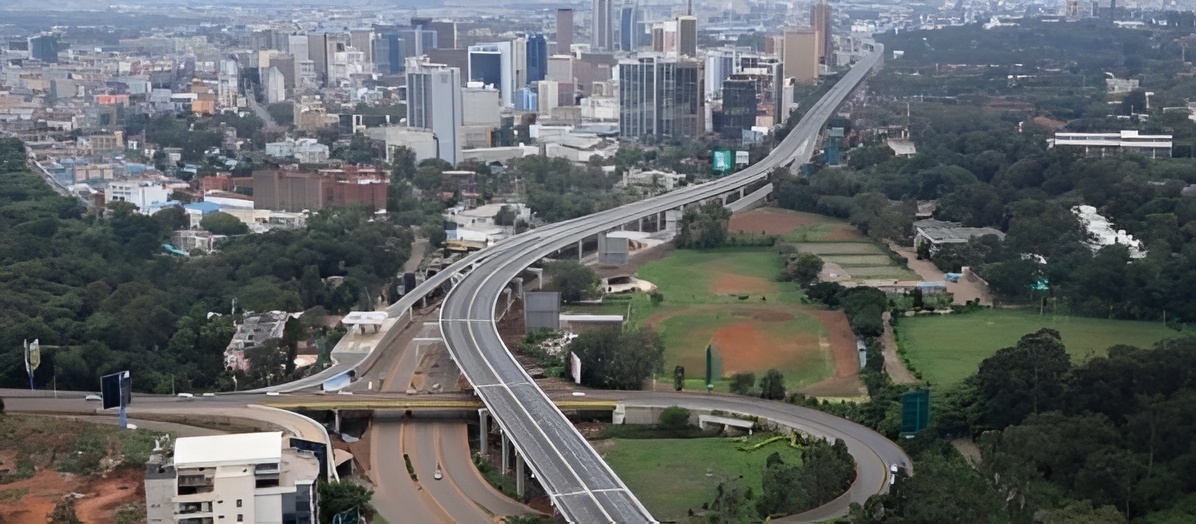
Construction also gathered momentum, growing by 6.6 per cent compared with 4.5 per cent in the first quarter of 2025.
The sector benefited from increased cement consumption, higher imports of bitumen and iron and steel, as well as a significant rise in bank credit to construction activities.
Electricity and water supply grew by 4.3 per cent as total electricity generation increased, largely supported by higher geothermal and hydroelectric output, although electricity generation from thermal, wind and solar sources declined.
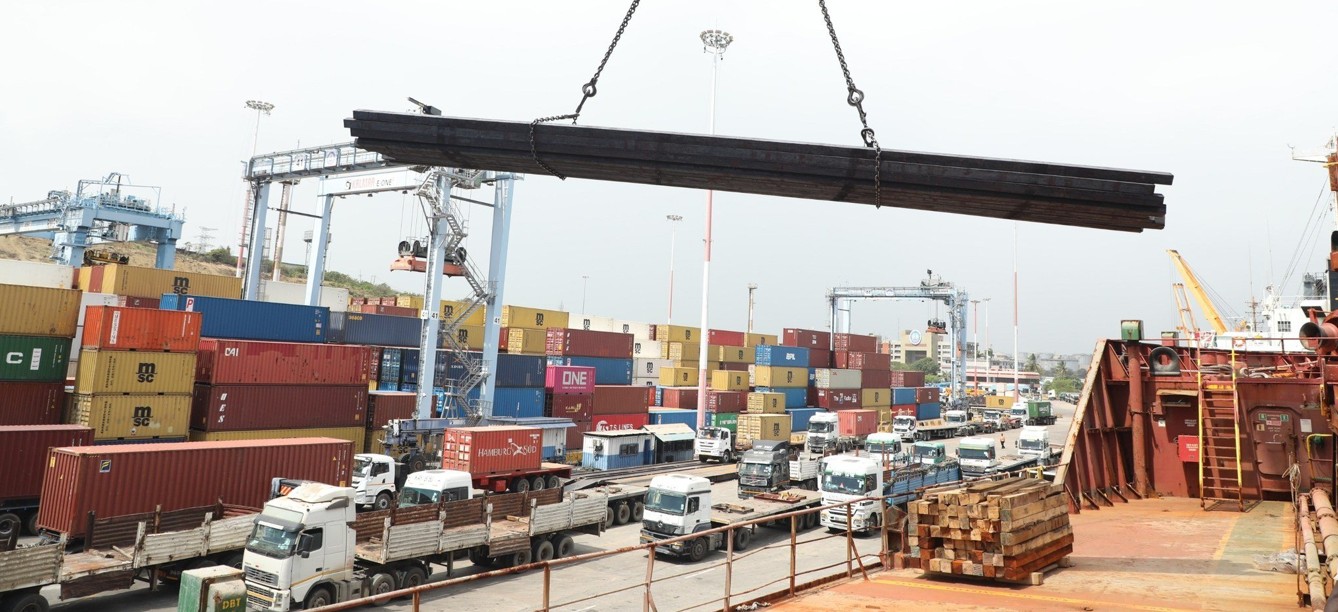
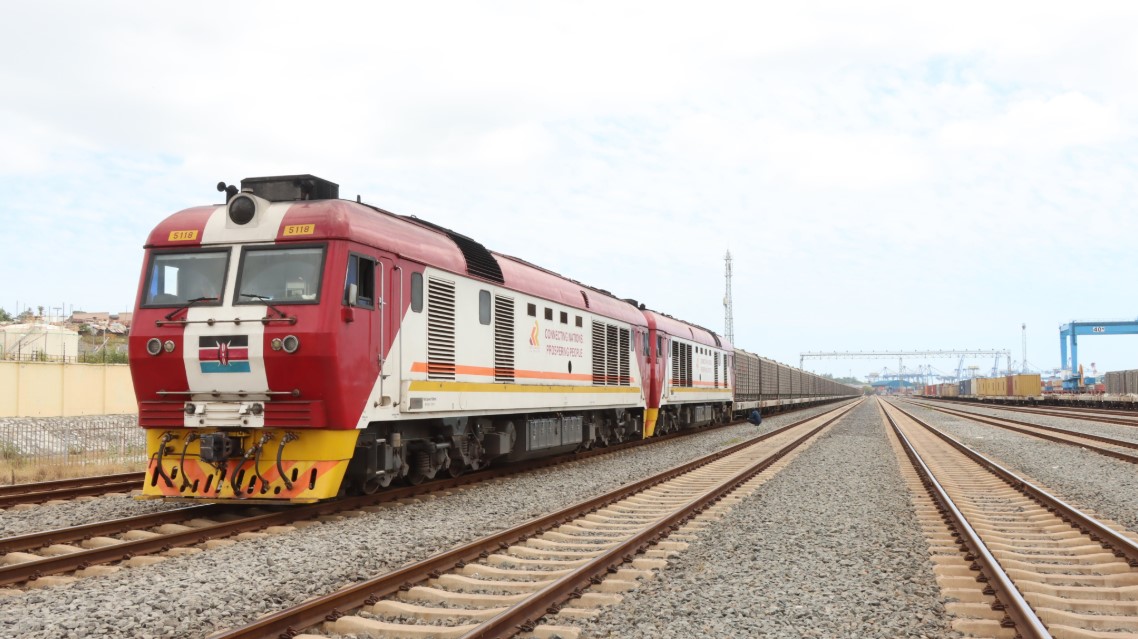
The transport and storage sector maintained steady growth of 3.6 per cent, backed by higher diesel consumption, increased cargo handled at the Port of Mombasa, and double-digit growth in Standard Gauge Railway (SGR) freight and passenger volumes.
Tourism remained one of the fastest-growing industries, with accommodation and food services expanding by 14.7 per cent as international arrivals through Jomo Kenyatta and Mombasa international airports rose 13.1 per cent.
Information and communication recorded a 5.0 per cent expansion, supported by higher mobile voice traffic and international bandwidth usage, although SMS usage and mobile money transactions declined during the period.
Financial and insurance activities grew by 6.3 per cent, reflecting lower interest rates following successive Central Bank Rate cuts, stronger private sector lending, higher money supply and improved activity at the Nairobi Securities Exchange (NSE).
On the macroeconomic front, inflation edged up to 4.35 per cent from 3.45 per cent, largely due to higher food prices.













































Comments
Sign in with Google to comment, reply, and like comments.
Continue with Google