The Institute of Certified Public Accountants of Kenya (ICPAK) has raised concerns over accountability gaps in public finance and procurement systems, warning that weak ethical oversight continues to expose public resources to misuse.
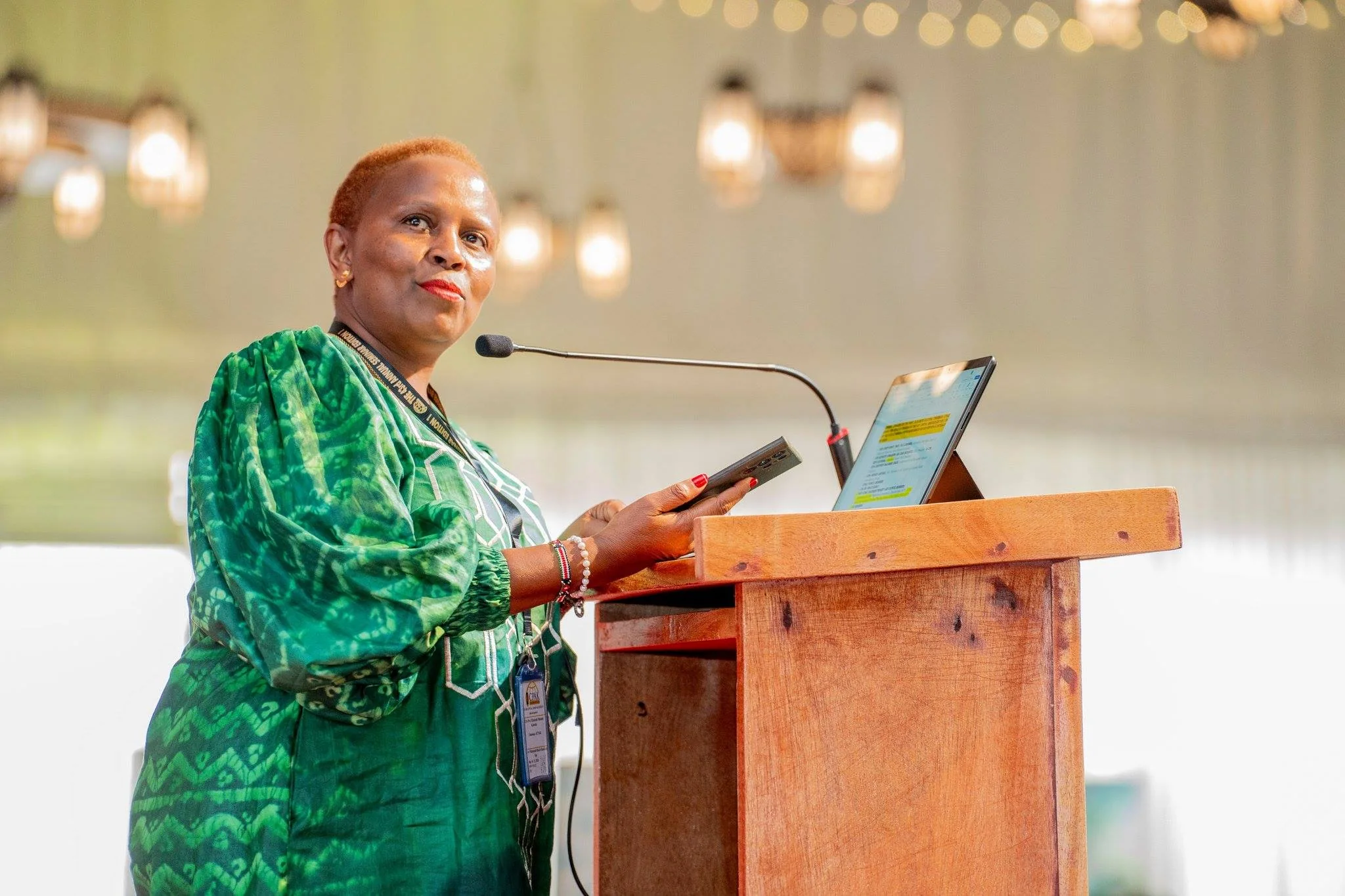
Speaking at the opening of the 43rd ICPAK Annual Seminar in Mombasa, ICPAK Chief Executive Officer, CPA Dr Grace Kamau, said accountants are often involved in transactions after major decisions have already been made, limiting their ability to prevent irregularities.
“At times, accountants come in at the tail end of transactions after critical decisions have already been made,” said Dr Kamau.
She argued that ethical standards should not apply to accountants alone, but also to other professionals involved in procurement and financial decision-making.
“The more digital economies become, the more important integrity, assurance, transparency, cybersecurity oversight, and ethical leadership become,” she said.
Her remarks came as the institute prepared to submit proposals on the Finance Bill to Parliament later this week. Dr Kamau said the debate on taxation should also address government borrowing, budgeting and expenditure.
“Discussions around taxation should not be isolated from broader issues such as budgeting, borrowing and overall government expenditure,” she said.
The seminar in Mombasa has brought together accountants and finance professionals to discuss governance, public finance and the changing role of the profession.
ICPAK Chairperson CPA Prof Elizabeth Kalunda said the recent public debate on taxation and debt had increased pressure on institutions to demonstrate accountability in the management of public funds.
“Citizens today are no longer merely asking institutions to function. They are asking institutions to be trusted,” said Prof Kalunda.
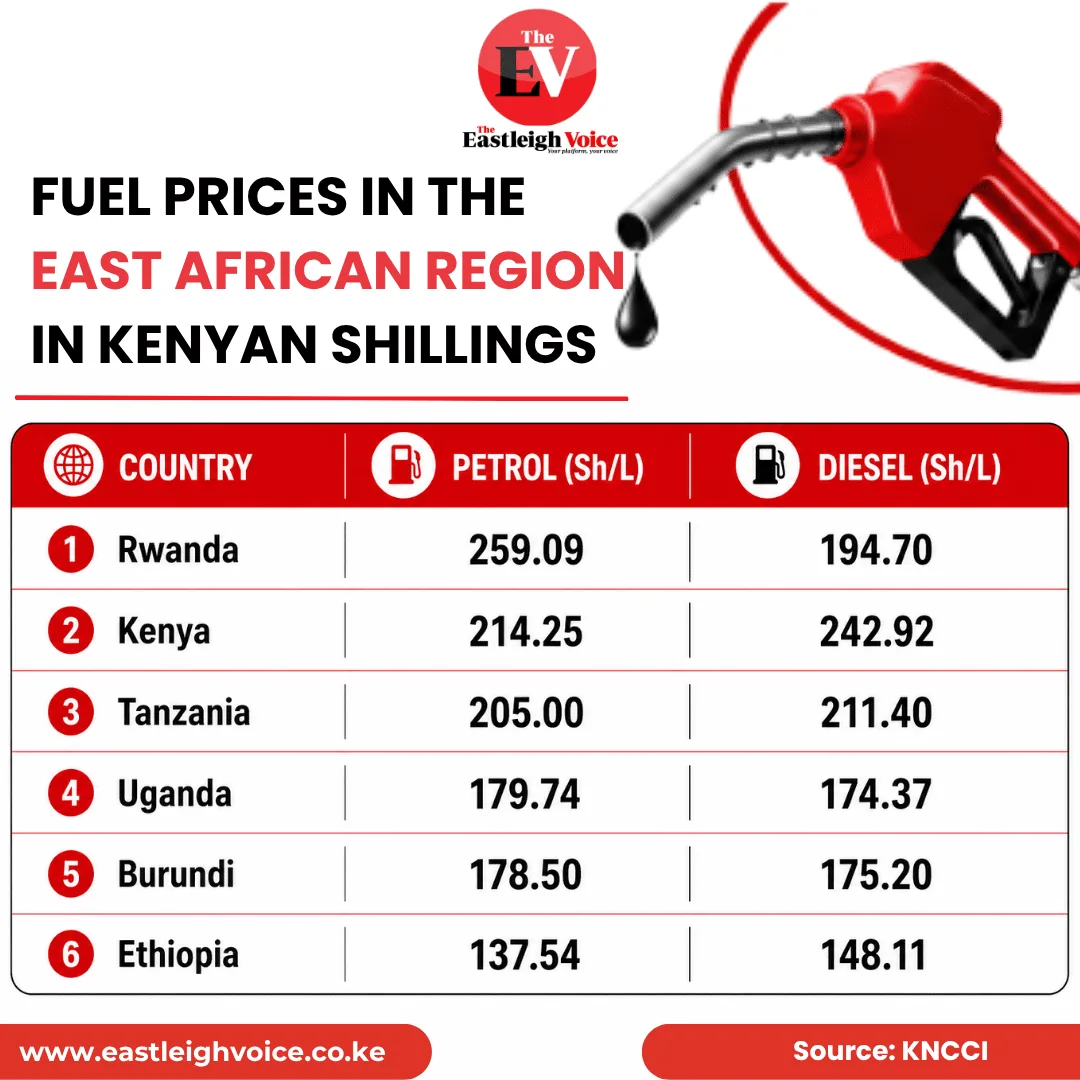
She said households and businesses were still facing economic pressure linked to high taxes, fuel prices, electricity costs and growing public debt.
“Even as Kenya’s economy remains relatively resilient, households and businesses continue to feel the pressure of rising fuel prices, increasing electricity costs, elevated taxation, and growing concerns around public debt,” she said.
Prof Kalunda said the accounting profession was increasingly becoming involved in governance and public finance oversight beyond traditional financial reporting roles.
“The accountant of yesterday was primarily seen as a custodian of financial records. But the accountant of today has become far more than that,” she said.
The seminar is expected to focus on governance, accountability, sustainability and the impact of technology on the profession.










































Comments
Sign in with Google to comment, reply, and like comments.
Continue with Google