Benchmark oil prices eased at the start of trading on Tuesday, falling about one per cent to below $94 per barrel (Sh12,255) after a sharp 4.2 per cent rally in the previous session.
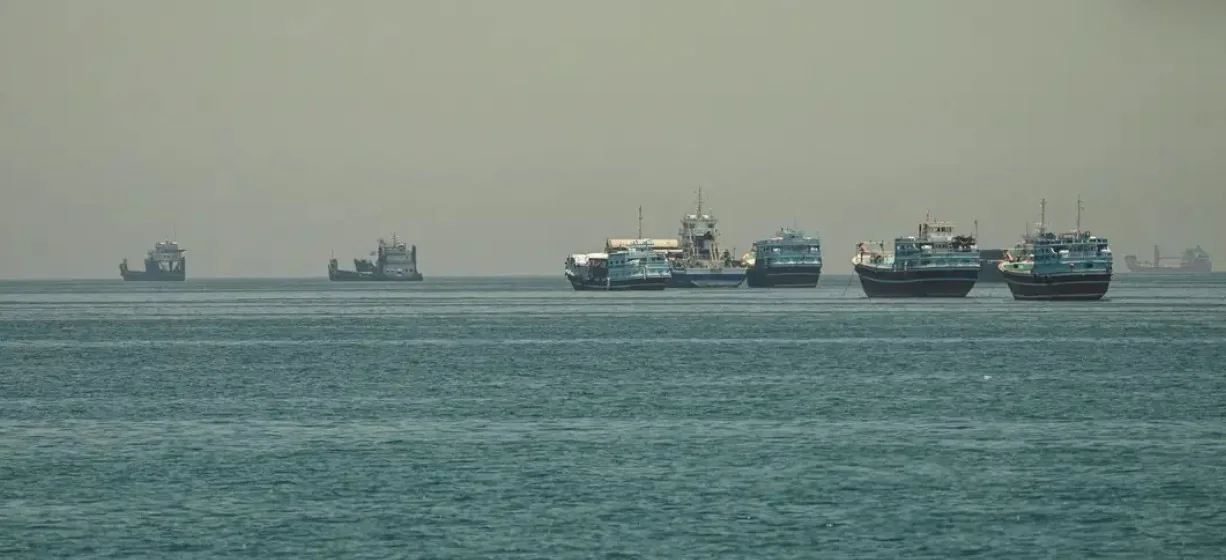
The decline comes as investors assess mixed signals surrounding US-Iran negotiations and the security of the Strait of Hormuz, one of the world's most important energy transit routes.
The pullback reflects continued volatility in global energy markets, largely driven by shifting geopolitical developments in the Middle East.
Oil prices surged on Monday after reports that Iran had suspended talks with Washington in response to Israel's military operations in Lebanon, raising fears of a broader regional conflict that could disrupt crude shipments from the Persian Gulf.
However, market sentiment shifted on Tuesday after comments from US President Donald Trump suggested diplomatic progress may be closer than previously anticipated.
Trump said a memorandum of understanding to reopen the Strait of Hormuz could be reached as early as next week, boosting hopes that supply routes could stabilise if negotiations succeed.
“There was a little glitch today, but I turned that one around very quickly,” Trump said.
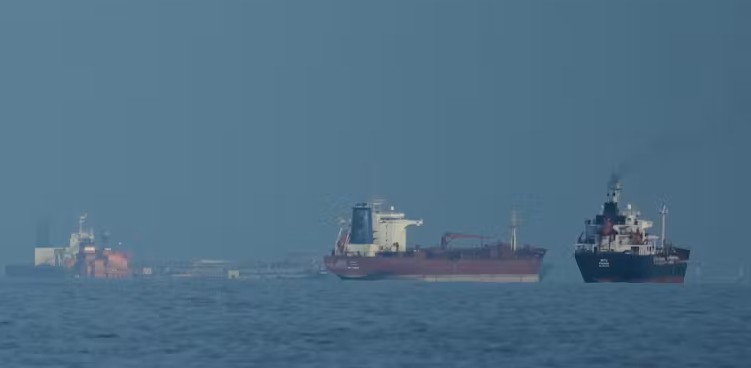
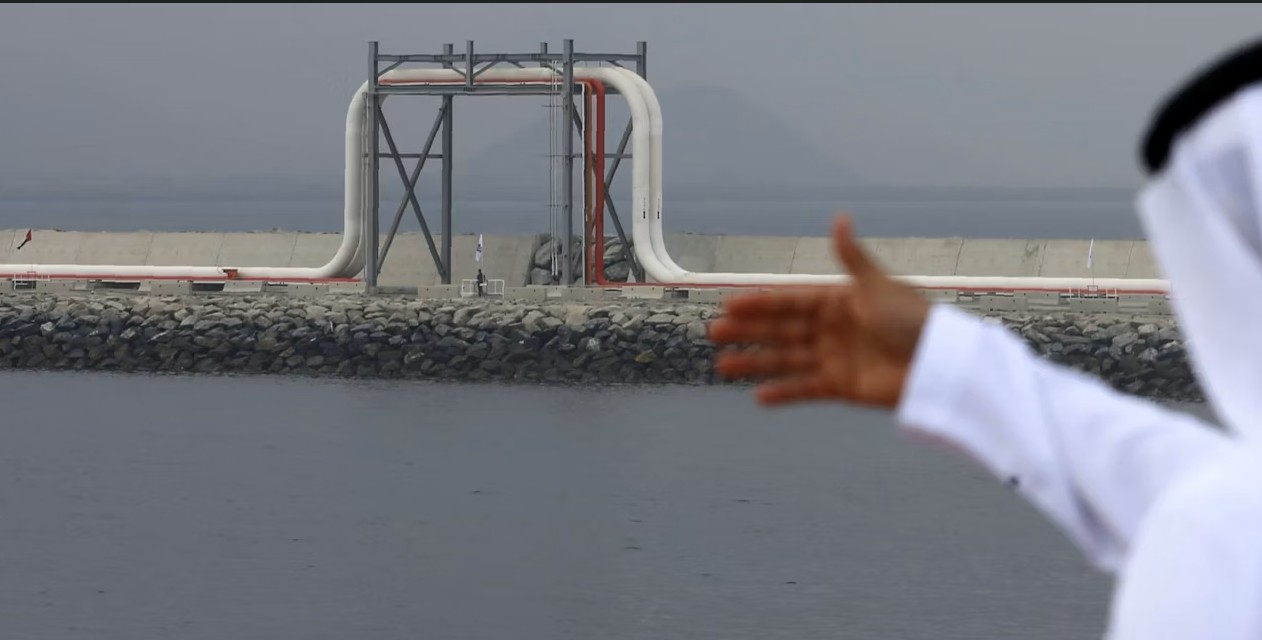
The Strait of Hormuz remains a critical global energy chokepoint, handling a significant share of the world's daily oil exports.
Any disruption to shipping through the corridor typically prompts an immediate reaction in crude markets as traders factor in potential supply shocks.
Trump also maintained that diplomatic engagement with Iran remains active despite earlier reports indicating a pause in negotiations.
In a social media post, Trump said talks with Iran are 'continuing' at 'rapid pace'.
However, Iranian officials have not confirmed whether discussions with Washington have resumed.
The conflicting messages have heightened uncertainty in energy markets, leaving traders struggling to determine whether regional tensions are easing or set to escalate further.
Analysts say the push and pull between geopolitical risks and diplomatic optimism is driving sharp swings in Brent crude prices.
Additional pressure on market sentiment has come from developments in Lebanon, where Israeli and Hezbollah forces continue to exchange fire despite claims of reduced hostilities following earlier US intervention.
Reports of renewed strikes in southern Lebanon, alongside evacuation warnings issued by the Israeli military, have kept geopolitical risk premiums elevated.
Questions also remain about the durability of any ceasefire agreements or diplomatic arrangements in the region.
Previous US-Iran negotiations have struggled to produce lasting agreements, leaving investors cautious about pricing in a swift resolution.
For now, oil markets remain caught between two competing forces: the risk of supply disruptions through the Strait of Hormuz and the prospect of renewed diplomatic progress easing tensions.
Analysts warn that until there is greater clarity on ongoing negotiations, volatility is likely to remain a defining feature of global crude trading in the near term.






































Comments
Sign in with Google to comment, reply, and like comments.
Continue with Google