Anger in Mombasa’s Mikindani as families rely on costly bowsers amid prolonged water crunch
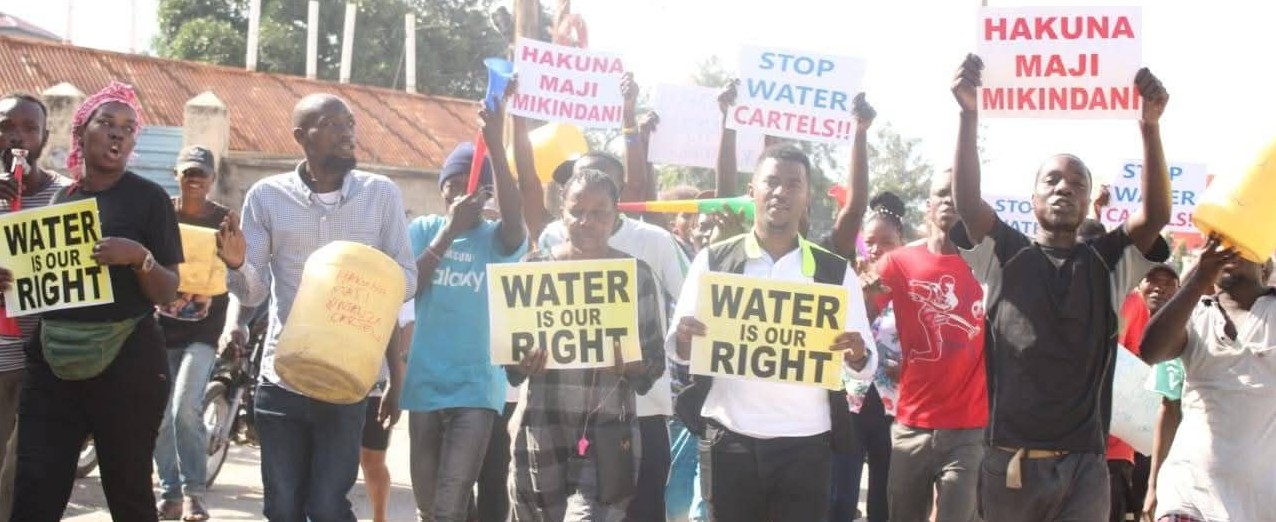
Mikindani residents in Mombasa face months of dry taps, costly bowser water and suspected sabotage, as officials cite ageing infrastructure and reduced supply while promising inspections and policy changes.
Residents of Mikindani in Mombasa are raising fresh concerns over a months-long water shortage that has disrupted daily life, strained household budgets, and fuelled suspicions of internal sabotage within the water sector.
Many families say they have endured irregular or completely dry taps for weeks, forcing them to rely on costly private bowsers for basic needs such as cooking, washing, and sanitation.
More To Read
- Mombasa sets January deadline for tuk-tuk operators' SACCO registration
- Man charged with schoolgirl’s murder shocks court, seeks plea deal
- Mombasa turns trash into opportunity through historic Sh17 billion waste management partnership
- Mombasa cracks down on illegal dumping of construction waste
- Government steps up security in Mombasa to curb rising gang activity
- Civil society petitions Mombasa Assembly over governance lapses
For 38-year-old resident Lilian Akinyi, the crisis has become a daily burden.
“Water has become a luxury in our own homes. We pay our bills to MOWASCO (Mombasa Water Supply and Sanitation Company) every month, yet we still have to buy water from bowsers. It doesn’t make sense,” she said.
Several residents accuse cartels within the water system of engineering shortages to profit from private water sales.
Karisa Nyiro said the situation has persisted for far too long to be a coincidence.
“We hear Mzima Springs has water. The problem is not the source. The problem is people inside the system who are sabotaging the supply. How can water from the tap cost five shillings per 20 litres, yet the same amount from bowsers goes for thirty? Someone is profiting,” he argued.
Years without reliable supply
Others say they have gone years without a reliable supply. Hilda Njagi, who runs a food kiosk, said her business is on the verge of collapse.
“We have gone for months with little or no water. How do we survive like this? Government offices must look deeper and bring in new staff if that’s what it takes. We cannot keep enriching private vendors,” she said.
Tensions have already spilt into the streets. Residents recently held a demonstration, claiming supply had briefly improved before dropping again. Salim Juma, one of the organisers, said the community has now planned another protest.
“After the demonstration, we got water once a week, then it disappeared again,” he said.
Some locals say they feel completely abandoned.
Firdaus Omar, a mother of three, said the situation has reached a breaking point.
“We are tired. We fetch water every day like people who live in a drought zone. Why should a basic right become a battle?” she said.
Stakeholders forum
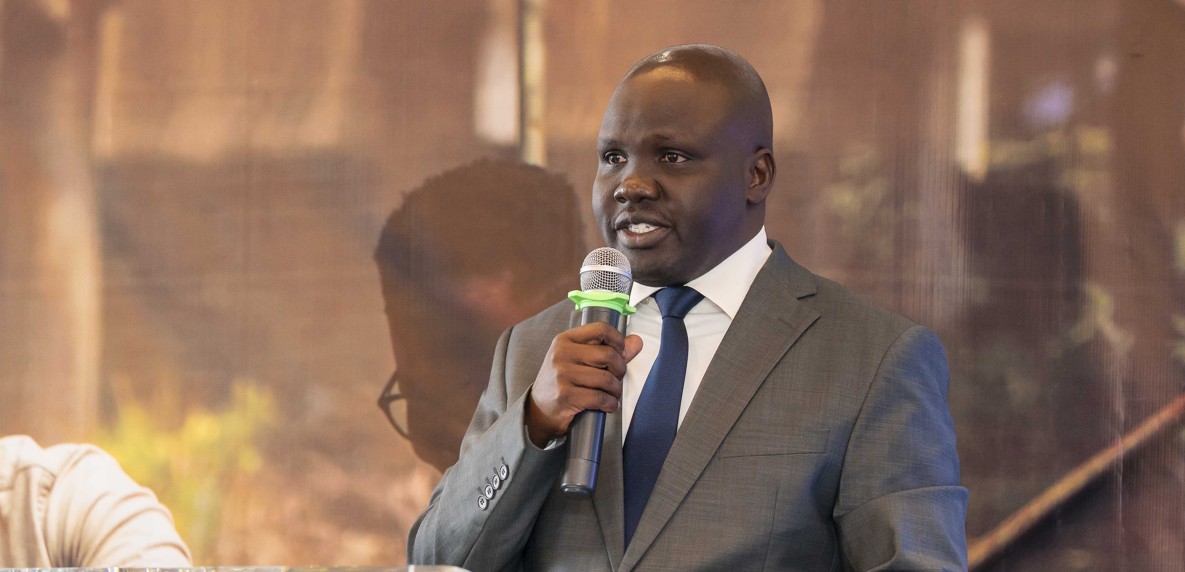
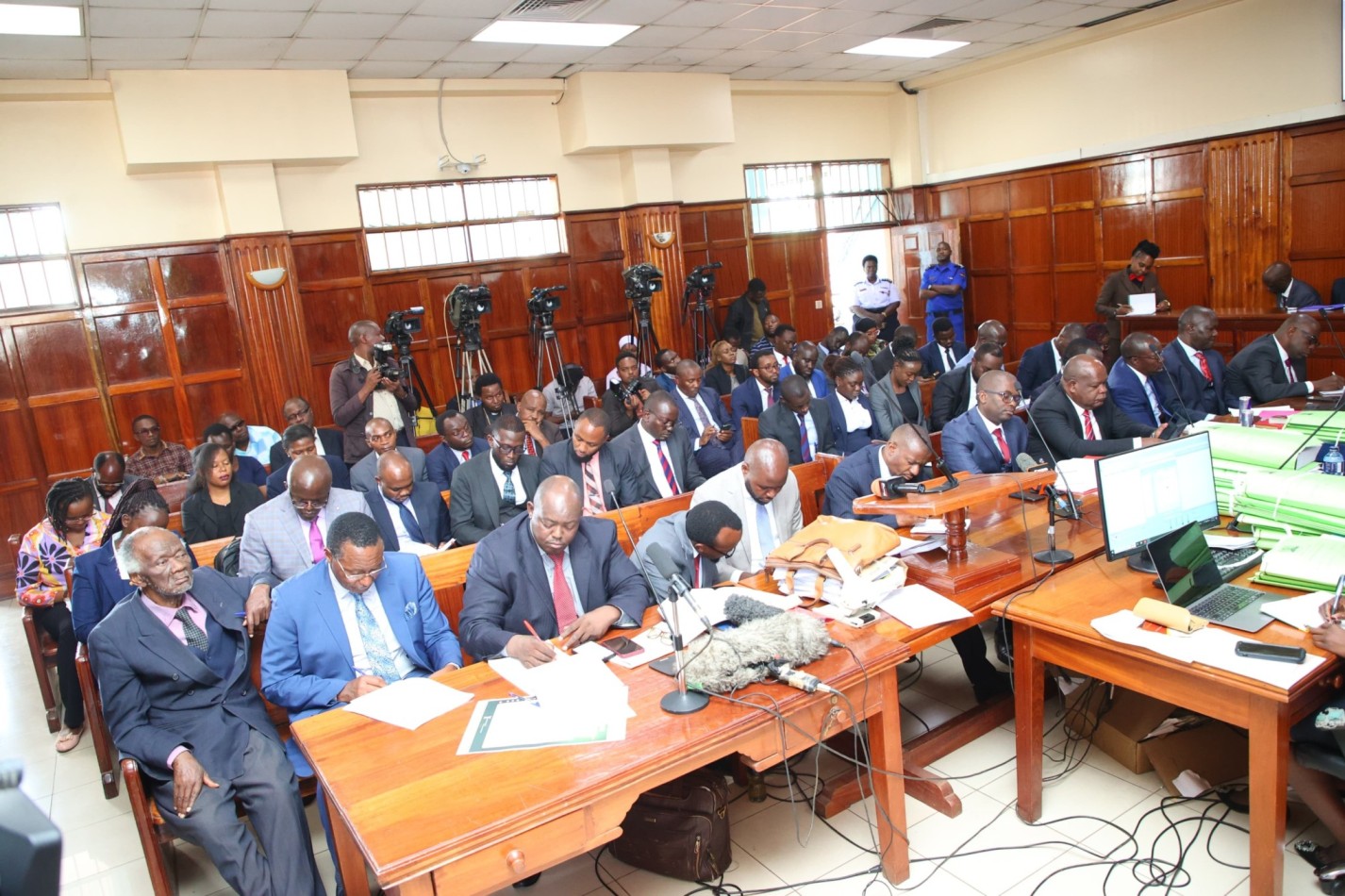
Mikindani MCA Jacktone Madialo said a recent stakeholder forum between residents and MOWASCO sought to address mounting concerns. He said the meeting revealed a series of longstanding problems contributing to the crisis.
According to Madialo, Mombasa is currently receiving significantly reduced water volumes from Mzima Springs, which serves the western part of the county. He added that ageing infrastructure between Mzima and Mazeras has resulted in substantial leakages.
The forum also heard that most water bowsers do not obtain their water from MOWASCO but from private borehole operators, and that the county lacks a mechanism to test whether the water being sold is safe for consumption.
Madialo said MOWASCO engineers have now been authorised to inspect infrastructure beyond Mazeras to identify and fix leaks. He added that Coast Water’s reluctance to release adequate water to Mombasa had been raised, and he has been tasked with initiating discussions between the county executive, the water company and consumers.
Test bowser-supplied water
In addition, a sewer department team is expected to assess affected areas next week, while the county has been urged to fast-track policies requiring government testing of bowser-supplied water.
Last week, MOWASCO issued a public statement acknowledging ongoing supply interruptions, blaming the disruptions on a technical fault at the Baricho Water Works. The utility said it was working with stakeholders to resolve the problem and promised to restore normal distribution once repairs are completed.
Despite these assurances, Mikindani residents say they have heard similar promises before and now want clear timelines and full transparency on when the crisis will finally end.
Top Stories Today