Kiunga celebrates 30 years of peaceful coexistence between locals and Somali refugees

While residents acknowledged ongoing pressures such as climate change and limited services, they said fairness and dialogue remain central to maintaining harmony in the border community.
Residents of Kiunga have marked more than three decades of peaceful coexistence between Kenyan host communities and refugees from neighbouring Somalia, drawing attention to a rare, community-driven integration model sustained without refugee camps or long-term external aid.
The gathering brought together elders, women, youth and fishermen to reflect on how families in the border settlement absorbed displaced Somali households during periods of conflict, hosting them in their homes and sharing land and livelihoods, an approach residents say helped Kiunga avoid the tensions seen in many other host areas.
More To Read
- M23 rebels capture eastern DR Congo city of Uvira as thousands flee to Burundi
- Trump faces rising backlash over remarks targeting Somali immigrants
- IGAD ministers renew regional pact on refugees as Kenya demands fair burden‑sharing
- Kenya’s refugee population hits 860,000 as State pushes integration plan
- African Commission hails Côte d’Ivoire’s move to protect displaced populations
- Uganda stops granting refugee status to nationals from Ethiopia, Somalia and Eritrea
Speaking at the event, peace advocate Shee Kupi Shee, who hails from the area and is a product of a cross-border marriage, said Kiunga’s experience shows that integration can succeed when driven by communities themselves rather than imposed structures.
Built by ordinary people
“What happened here was not planned in the offices. It was built by ordinary people who chose humanity over fear. Mothers opened their homes, fishermen shared the sea, and elders resolved disputes before they became violent,” Shee said.
Residents said the arrangement evolved organically, guided by local leadership and negotiated access to scarce resources such as water, fishing grounds and farmland.
Village elder Abdullahi Shosi said the decision to host refugees within the community prevented long-term instability. “We did not wait for camps or organisations. People arrived fleeing violence, and we received them as neighbours. That choice protected Kiunga,” he said.
Women said they carried much of the responsibility of hosting families and sustaining daily life. Asha Rashid said refugee women lived and worked alongside local residents. “We cooked together, fetched water together and raised children together. With time, there was no clear difference between us,” she said.
Local fishermen said open access to fishing grounds reduced competition and resentment.
Shared livelihoods
Hassan Mzee said shared livelihoods helped maintain calm.
“When everyone has a way to earn a living, there is less anger and fewer conflicts,” he said.
Youth leaders said equal treatment helped sustain peace across generations. Fatuma Ali, a youth organiser, said young people from both communities grew up side by side.
Former refugee Mohamed Noor, who arrived in Kiunga in the early 1990s, said integration spared families the isolation often experienced in camps. “We were not fenced off. We were part of village life, with both support and responsibility,” he said.
Draw lessons from Kiunga
Shee urged national authorities to draw lessons from Kiunga as Kenya prepares to implement new refugee policies, including the Ushirika framework.
“Kiunga offers practical lessons on dignity, fairness and coexistence. If these principles are ignored, peace becomes fragile,” he said.
While residents acknowledged ongoing pressures such as climate change and limited services, they said fairness and dialogue remain central to maintaining harmony in the border community.
Photos Farhiya Hussein
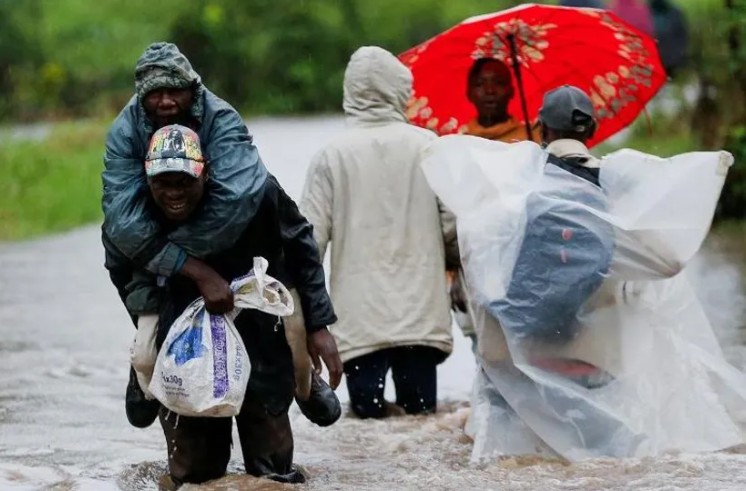
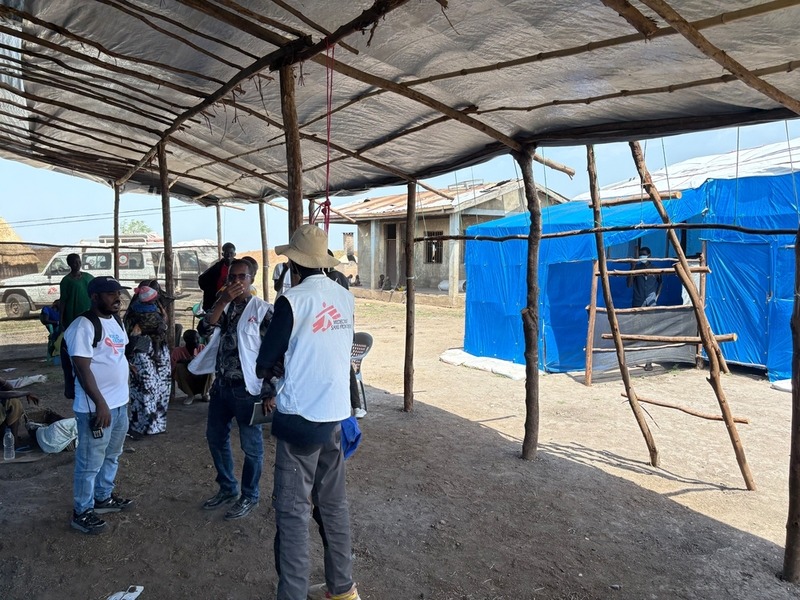
Photos of Kiunga residents during a celebration event marking three decades of peaceful coexistence between Kenyan host communities and refugees from neighbouring Somalia.
Top Stories Today