UNICEF sounds alarm as M23 attacks in DRC’s South Kivu push thousands from homes
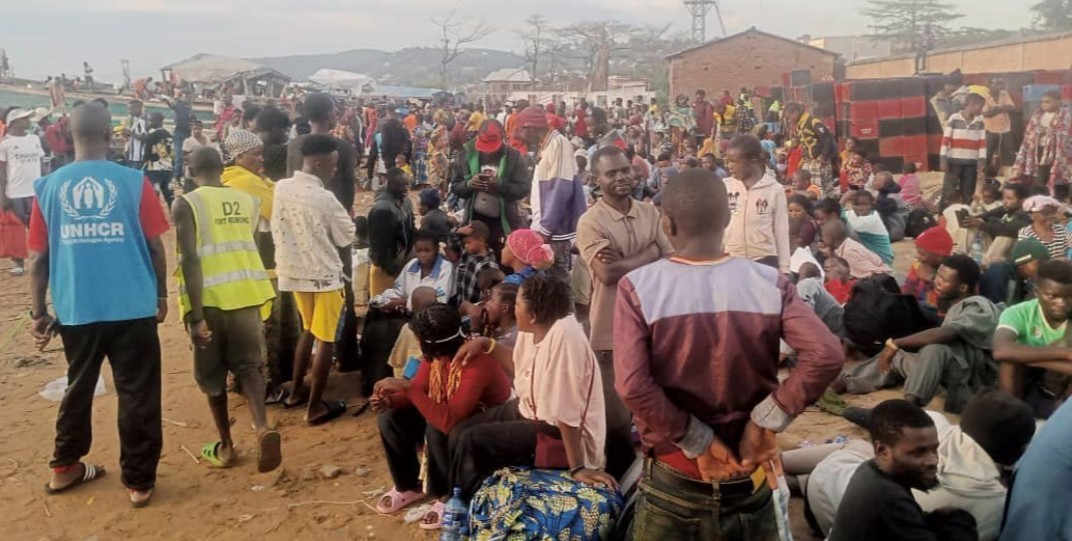
UNICEF reports over 500,000 people, including 100,000 children, displaced by renewed M23-linked violence in South Kivu, DRC and into Burundi, warning displacement and child protection risks are rising.
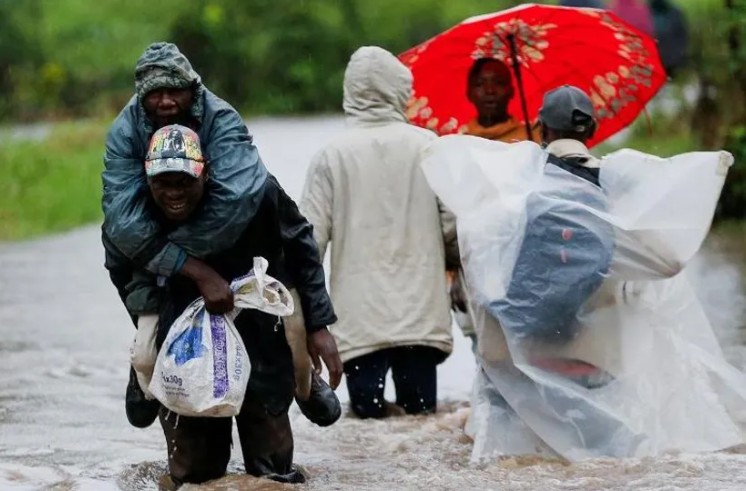
The United Nations Children's Fund (UNICEF) has raised the alarm over a sharp escalation of violence in South Kivu, eastern DR Congo, which has forced more than 500,000 people, including over 100,000 children, to flee their homes since December 1.
The surge in violence follows renewed clashes in South Kivu and neighbouring Cibitoke Province in Burundi, where the M23 rebel group has advanced towards the strategic town of Uvira near the Burundi border.
More To Read
- AU warns of rising violence in DR Congo and Great Lakes region amid M23 advance
- Burundi closes border with DR Congo after M23 enters Uvira, sources say
- Eastern DR Congo fighting kills scores, cuts food aid and drives mass displacement
- M23 rebels capture eastern DR Congo city of Uvira as thousands flee to Burundi
- Bloody clash leaves 30 dead, 20 injured as army, pro-government militia clash in eastern DR Congo
- UN hails DR Congo-Rwanda peace deal amid ongoing hostilities in the east
Fighting has broken out in villages north of the town as government forces and local militias attempt to push back the rebels.
The escalation comes just days after DRC President Félix Tshisekedi and Rwandan President Paul Kagame signed a US-brokered peace deal in Washington, D.C., aimed at ending the ongoing conflict.
Displacement likely to increase
In a statement, UNICEF warned that displacement is likely to increase in the coming days as fighting between the warring factions intensifies.
"Since December 1, intense fighting has displaced more than 500,000 people, including over 100,000 children inside South Kivu alone," said UNICEF.
"With violence spreading, displacement is expected to rise further. UNICEF is gravely concerned for the safety and well-being of the large number of children fleeing and seeking refuge."
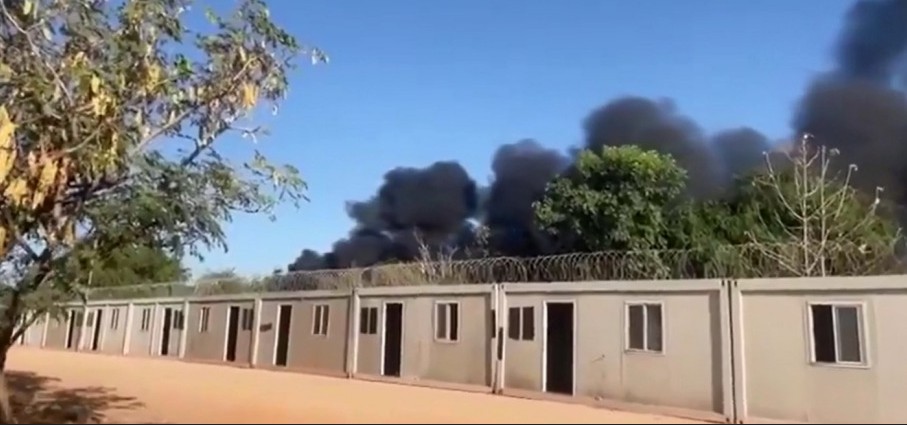
According to the UN body, at least four students have been killed, six others injured, and seven schools destroyed.
"As families flee under fire, children face acute protection risks including family separation, exposure to violence, exploitation, gender-based violence, and psychosocial distress," said UNICEF.
"Many people fleeing the violence have crossed into Burundi, with reports of over 50,000 new arrivals between 6 and 11 December alone, nearly half of them children."
Child-focused humanitarian assistance
UNICEF is working with local authorities and partners in both the DRC and Burundi to provide urgent, child-focused humanitarian assistance, while coordinating with other UN agencies to scale up aid.
"Children must never pay the price of conflict. UNICEF stands ready to support every child affected by this escalating crisis," the body said.
In a statement on Thursday last week, African Union Commission (AUC) Chairperson Mahmoud Ali Youssouf described the attacks in South Kivu as deeply regrettable, stating they undermine ongoing efforts to stabilise the region.
According to the AUC chief, the clashes threaten the progress made under the Doha Framework Agreement between the DRC and M23 and the Washington treaty.
Further, Mahmoud emphasised the need for all stakeholders to exercise restraint and prioritise political solutions, while reaffirming the AU's support for the affected civilian populations.
Top Stories Today