Fuel prices hold steady for December–January despite fluctuating global oil costs
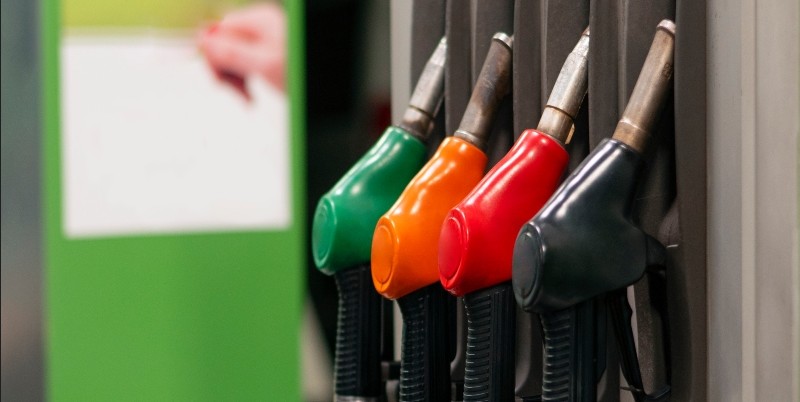
EPRA has confirmed no change in fuel prices across Kenya from 15 December 2025 to 14 January 2026, keeping petrol, diesel and kerosene rates stable despite volatile global oil markets.
Fuel prices in Kenya will remain stable for the next month, with Super Petrol, Diesel and Kerosene unchanged from 15 December 2025 to 14 January 2026, the Energy and Petroleum Regulatory Authority (EPRA) has announced.
In its latest review, released on Sunday, 14 December, EPRA confirmed that the prices include the 16 per cent Value Added Tax (VAT) in line with the Finance Act 2023, the Tax Laws (Amendment) Act 2024, and revised excise duty rates adjusted for inflation under Legal Notice No. 194 of 2020.
More To Read
- Three-week drop in benchmark crude sets up Kenyans for further fuel price relief
- President Ruto pitches National Infrastructure Fund as engine for long‑term growth
- Consumers to get more units for less as electricity tariffs decline
- Kenya adopts Women Entrepreneurs Finance Code to close gender financing gap for women entrepreneurs
- Kenya ranked Africa’s most competitive economy in International Institute for Management Development 2025 Index
- High Court blocks 10 per cent crude oil duty, slams government for bypassing public input
In Nairobi, Super Petrol will retail at Sh184.52 per litre, Diesel at Sh171.47, and Kerosene at Sh154.78. Motorists in Mombasa will pay Sh181.21 for Super Petrol, Sh168.19 for Diesel, and Sh151.49 for Kerosene.
Retail prices in Nakuru are set at Sh183.56 for Super Petrol, Sh170.87 for Diesel, and Sh154.21 for Kerosene. In Eldoret, residents will pay Sh184.38, Sh171.68, and Sh155.03, respectively, while Kisumu mirrors these rates with Super Petrol at Sh184.37, Diesel at Sh171.68, and Kerosene at Sh155.03.
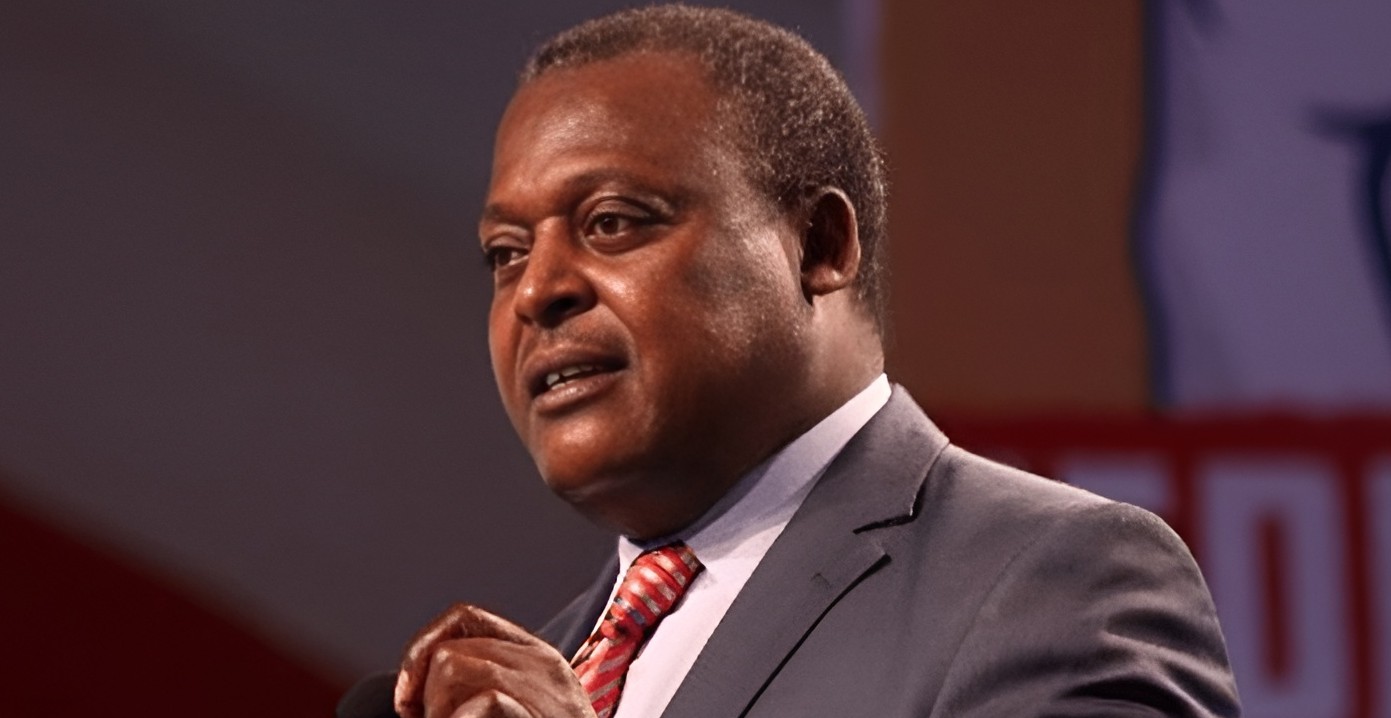
"The purpose of the Petroleum Pricing Regulations is to cap retail prices so that importation and other prudently incurred costs are recovered while ensuring reasonable prices for consumers," EPRA Director General Daniel Kiptoo said.
"We remain committed to fair competition and protecting the interests of both consumers and investors in the energy and petroleum sectors."
The review follows a moderation in international oil prices. During a press conference on December 10, 2025, Central Bank of Kenya Governor Kamau Thugge noted that global oil prices have softened due to higher production and subdued demand, though prices remain volatile amid global uncertainties.
OPEC+ increased oil output by 137,000 barrels per day in November and December 2025, while non-OPEC production has also contributed to the global supply.
In its weekly bulletin, the CBK highlighted that rising oil inventories and ongoing peace talks between Ukraine and Russia contributed to the decline in international prices. Murban crude traded at USD 62.97 per barrel on December 11, down from USD 64.33 per barrel the previous week.
EPRA’s review showed that the average landed cost of imported Super Petrol fell 4.25 per cent, from USD 619.14 per cubic metre in October 2025 to USD 592.84 per cubic metre in November.
Diesel, however, increased 3.02 per cent to USD 654.24 per cubic metre, while Kerosene rose 5.52 per cent to USD 667.05 per cubic metre.
EPRA noted that the petroleum trade is denominated in US dollars and that the applied exchange rate affects local pump prices.
Top Stories Today