Government enforces festive school holiday safety measures to protect learners
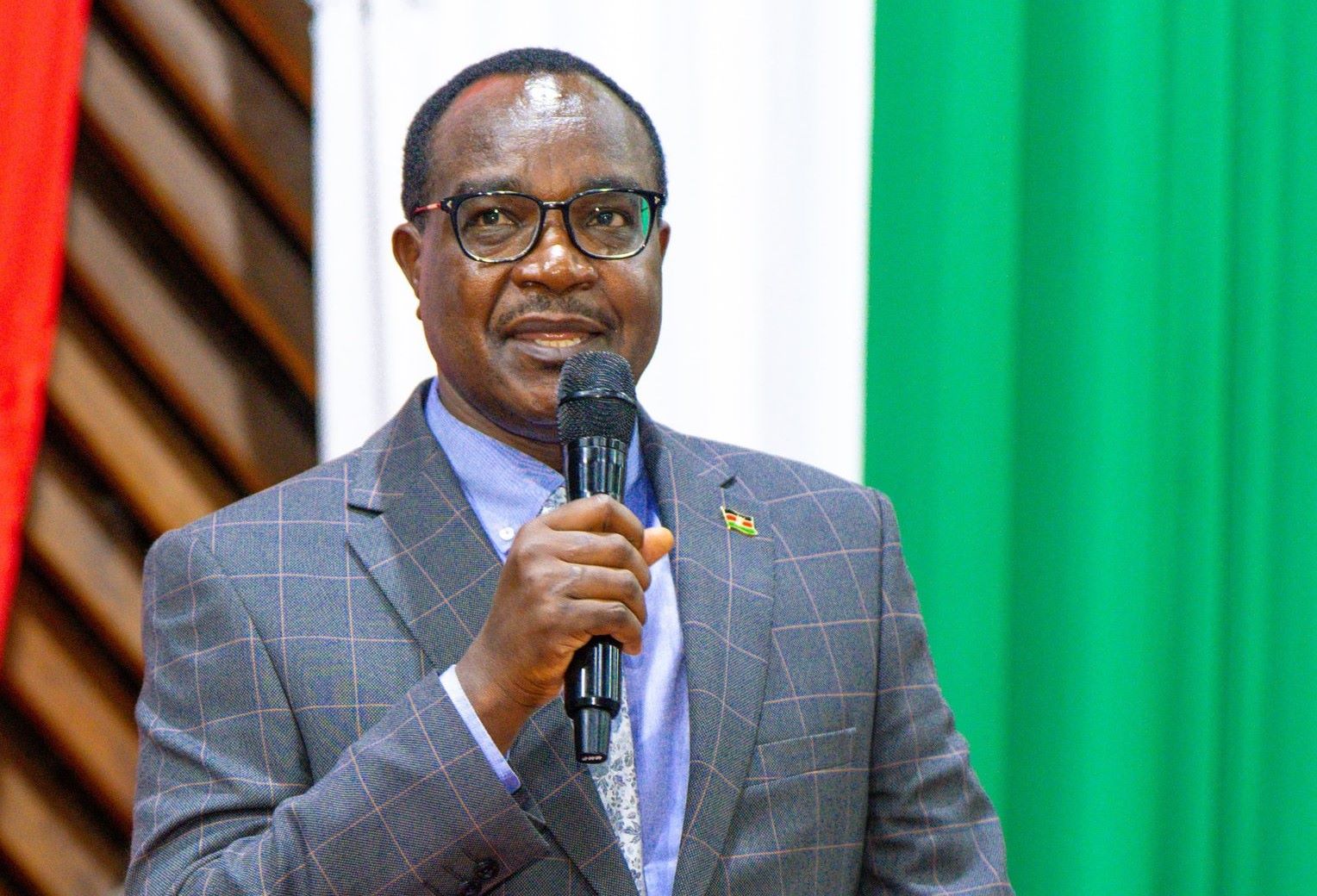
Interior Cabinet Secretary Kipchumba Murkomen last month emphasised that safeguarding children during the long holiday was non-negotiable.
The Ministry of Education has flagged the Christmas and New Year school holidays as a national security concern, urging all counties to remain vigilant to threats that could disrupt learners’ safety and education.
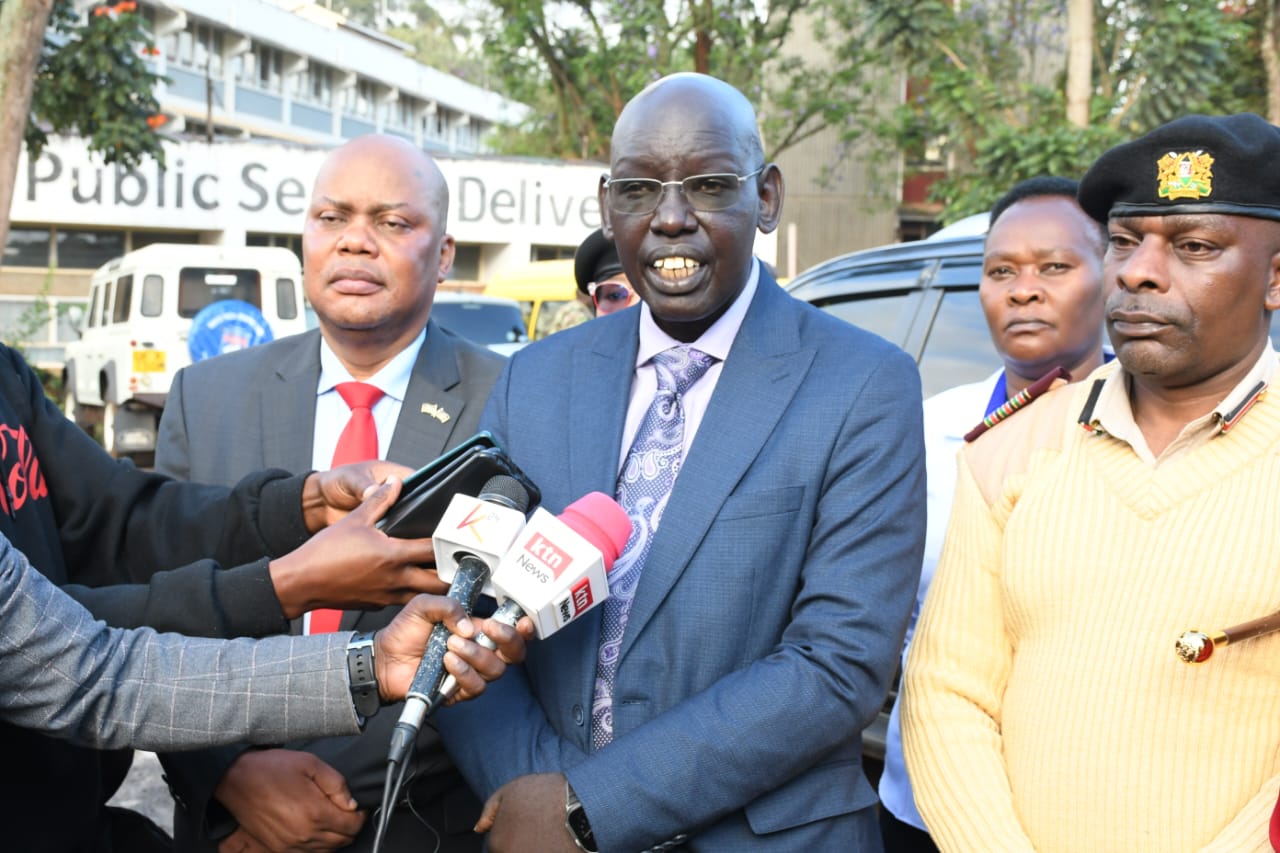
Education Cabinet Secretary Julius Ogamba said the government is committed to ensuring pupils return to classrooms safely, warning that festive season risks, from early marriages to drug abuse, must be closely monitored by security agencies.
More To Read
- NPS announces heightened security, road safety measures ahead of festive season
- Eastleigh bustles with Christmas shoppers as holiday season kicks off early
- Stakeholders warn of increased FGM cases in Wajir during long school holiday
- NTSA urges parents, drivers to prioritise child safety during August school holiday travel
- Students break for three-week April holiday amid ongoing challenges in education sector
- Security heightened at the Coast region as tourists flock for December festivities
The directive is part of a broader security advisory issued as schools closed for the 60-day holiday ending in January 2026, coinciding with the release of the 2025 Kenya Junior Secondary Education Assessment (KJSEA) results for 1,130,669 Grade 9 learners.
“We agreed when schools closed that, as a government, we would treat the long holiday as a security issue. We now only have the peak festive days to go before we reunite in classrooms,” Ogamba said, adding that all relevant agencies must continue protecting learners.
Security agencies across all 47 counties are monitoring threats, including female genital mutilation, gang indoctrination, early marriages, drug and alcohol abuse, child labour, cultism, child sexual exploitation and harmful post-circumcision rituals. The operations are coordinated through multi-agency teams under the Interior and Education ministries.
Interior Cabinet Secretary Kipchumba Murkomen last month emphasised that safeguarding children during the long holiday was non-negotiable.
“It will not be excusable for any security manager to lapse in any of the areas we have mapped out,” he said, urging firm action against anyone endangering children’s welfare.
Nairobi Regional Commissioner Gilbert Kitiyo said security operations are concentrated in informal settlements, where children are most vulnerable.
“We have been briefed nationally to ensure that even in informal settlements, children are not exploited. In some cases, parents or close relatives involve children in crimes, particularly narcotics and illicit brews,” he said.
Police stations and patrol bases have also been directed to work closely with chiefs and community policing units. Officers have been urged to monitor locations where children may be exposed to alcohol, drugs, gambling and sexual exploitation, and parents or guardians will be required to present themselves if a child is found in such settings.
Deputy Inspector General of Police Gilbert Masengeli recently ordered police in Murang’a to clamp down on Gender-Based Violence, warning that no crime should be normalised. Maragua Senior Assistant County Commissioner Joshua Okello echoed the warning, saying bars admitting children would be shut down and operators prosecuted.
Trans Nzoia Governor George Natembeya said corruption and laxity remain major obstacles to protecting children.
“These cartels are known. With dedication and integrity, they can be dismantled quickly,” he said.
Education officials have also appealed to parents and guardians to remain actively engaged with their children throughout the holiday, cautioning that security measures alone cannot substitute parental supervision. Families were urged to monitor children’s movements, online activity and peer associations, particularly during the festive period when supervision tends to loosen and exposure to harmful influences increases.
The government further announced that enforcement will continue beyond the holiday season, with post-holiday assessments planned to identify regions where learners fail to return to school.
Meanwhile, the National Transport and Safety Authority (NTSA) and the National Police Service (NPS) have also launched a tough crackdown on reckless driving and traffic violations, including 24-hour patrols on major roads, Alcoblow breathalyser tests and mobile courts to penalise offenders.
NTSA Director of Road Safety Andrew Kiplagat said road safety requires collective responsibility.
“Every stakeholder has a role, from ensuring vehicles are roadworthy to enforcing driver compliance,” he said.
Traffic Commandant Fredrick Ochieng outlined police interventions, including 24-hour patrols on major highways, particularly at night when most serious accidents occur. Officers will also use speed guns, breathalysers and mobile courts for swift enforcement.
“This approach will curb bribery and guarantee instant justice for drivers who break the law,” he said.
NTSA highlighted the importance of functioning speed limiters in public service vehicles, citing malfunctioning devices as a significant crash cause. Free rechecks will also be offered to PSV operators during the festive period.
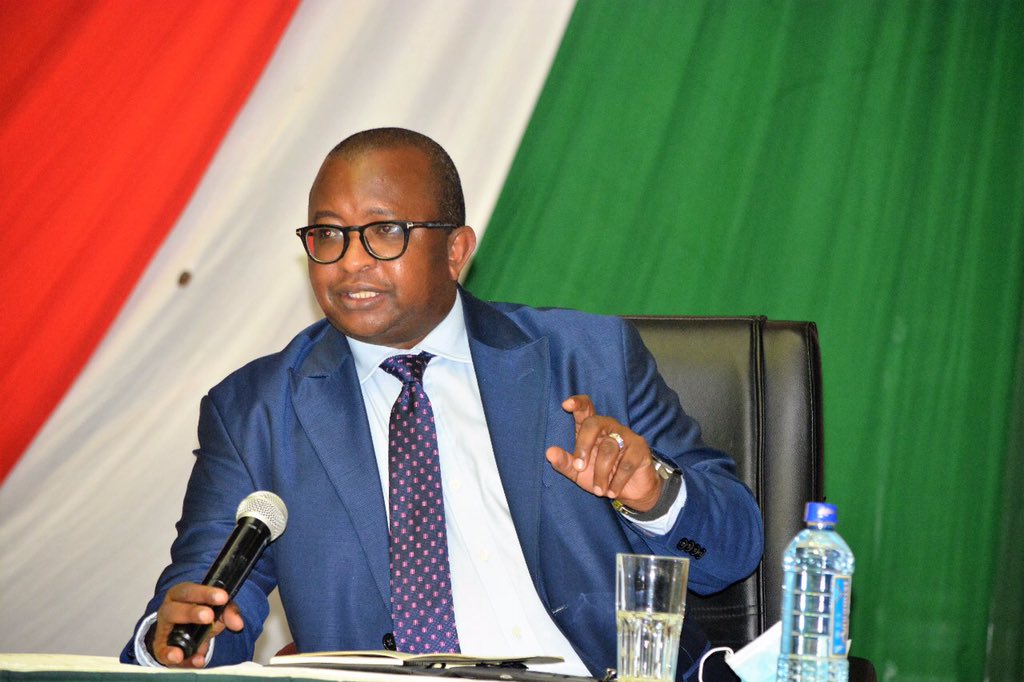
The Authority further announced mandatory re-testing for drivers arrested during enforcement operations. Acting Director General Angela Wanjira said the measure follows a 2.6 per cent increase in people killed or injured in crashes this year. Re-testing will rely on the Intelligent Road Safety Management System (IRSMS), a digital platform monitoring speed, braking, route adherence, and dangerous overtaking in real time.
“By analysing violations, we can identify risky behaviour early and ensure drivers undergo necessary re-training,” Wanjira said.
On Tuesday, NTSA suspended the licences of 62 drivers from seven public transport companies after a compliance review revealed multiple violations.
“This action follows a compliance assessment that revealed multiple violations and serious safety concerns,” the authority said, adding that drivers must undergo re-testing before licence reinstatement.
Operators were also instructed to conduct road safety awareness training and present vehicles for inspection.
Between January 1 and early December 2025, 4,458 people died in road accidents, compared with 4,311 fatalities in the same period in 2024. Wanjira said NTSA will scale up joint operations with police, shifting from reactive enforcement to proactive prevention.
“We intend to strengthen real-time monitoring, roadside checks, public sensitisation and collaboration with passengers themselves,” she said.
Top Stories Today