Leaders and residents in Lamu have voiced support for a proposed Sh2.2 trillion oil refinery linked to African billionaire Aliko Dangote, while calling for guarantees that the county's indigenous communities will play a central role in the project and benefit directly from its economic gains.
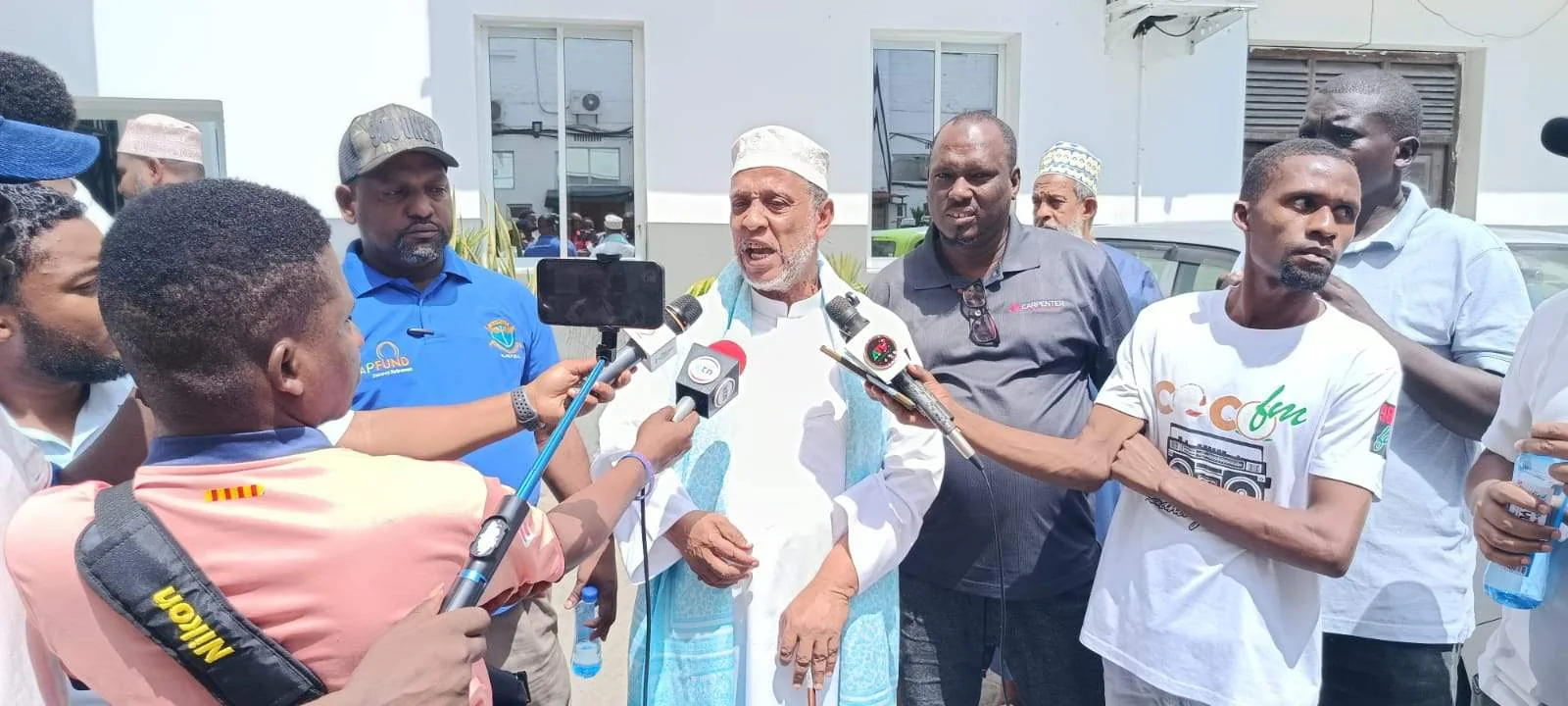
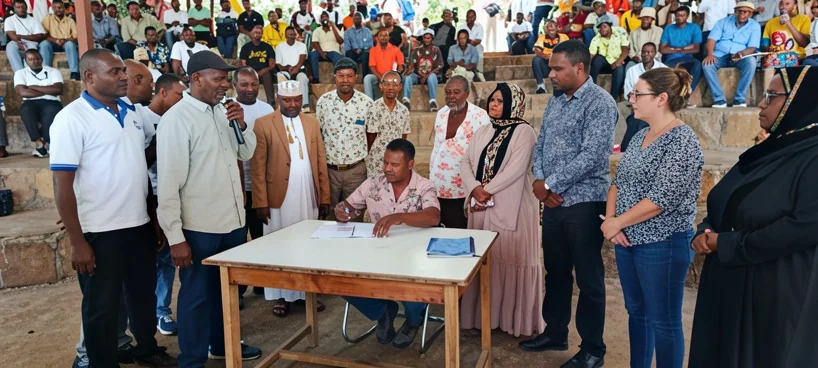
Speaking on behalf of local residents, Sultan Omar Sharif said the community welcomed the investment and recognised its potential to transform the county's economy.
However, he maintained that local people must be involved in key decisions from the outset and should be prioritised for employment and business opportunities created by the refinery.
Omar said the project is expected to generate about 6,000 jobs and urged the government and investors to reserve at least 70 per cent of those positions, around 4,200 jobs, for indigenous residents of Lamu.
"We are not opposed to development. We support the refinery, but the people of Lamu must have a seat at the table whenever major decisions are made. If 6,000 jobs are created, at least 70 per cent should go to the local community," he said.
He added that residents expected the investment to deliver more than employment opportunities, saying it should also improve public services and infrastructure, including schools, healthcare facilities and roads.
Omar argued that oil-producing nations such as the United Arab Emirates, Saudi Arabia and Morocco had used similar investments to improve the welfare of their citizens and said Lamu should also realise long-term social and economic benefits from the project.
He further urged the government to avoid repeating concerns raised during the implementation of the Lamu Port-South Sudan-Ethiopia Transport (LAPSSET) Corridor project, where many residents felt they were not adequately consulted despite being directly affected.
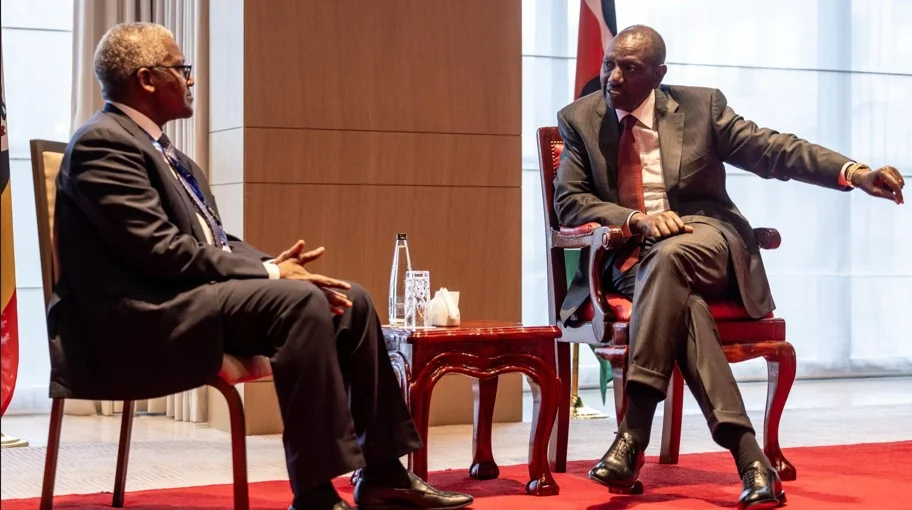
"This is a multi-trillion-shilling investment. We appeal to the President to engage directly with the people of Lamu so that they become genuine beneficiaries of the project," he said.
Athman Mohammed Abubakar, speaking on behalf of youth and elders, said the refinery could become a catalyst for economic growth if it is implemented transparently and inclusively.
He called for local representatives to be involved in policy discussions and project implementation to ensure residents understand the investment and have an opportunity to participate.
"We welcome this investment because it has the potential to change our county, but there must be responsible leadership and meaningful inclusion of the local community throughout the process," he said.
Youth leader Mohammad Talib also backed the proposed refinery, describing it as one of the country's biggest planned investments. However, he said development should not overlook the interests of the communities that have lived in and protected the area for generations.
He urged investors to prioritise indigenous residents for skilled, semi-skilled and unskilled jobs, while also giving preference to local businesses seeking contracts in transport, logistics, supplies and other services connected to the refinery.
"Development must improve the lives of the people who have lived on this land for generations. Local communities should receive priority in employment, procurement and other opportunities created by the project," Talib said.
He also proposed the establishment of a recognised community liaison structure to coordinate engagement between investors and residents, saying this would promote accountability and ensure information is shared consistently.
Resident Haula Issah echoed the call for local participation, saying the refinery should not repeat the experience of the LAPSSET project, where many young people acquired skills but failed to secure employment afterwards.
"We do not want history to repeat itself. During LAPSSET, many young people were trained but were never employed. This project should deliver real opportunities for residents," she said.
The leaders said they remained supportive of the proposed refinery, but stressed that its long-term success would depend on meaningful community involvement, fair access to jobs and contracts, and equitable distribution of the benefits expected from one of Kenya's largest planned investments.






























Comments
Sign in with Google to comment, reply, and like comments.
Continue with Google