M23 rebels hands over minors taken from conflict zones in North Kivu, DRC
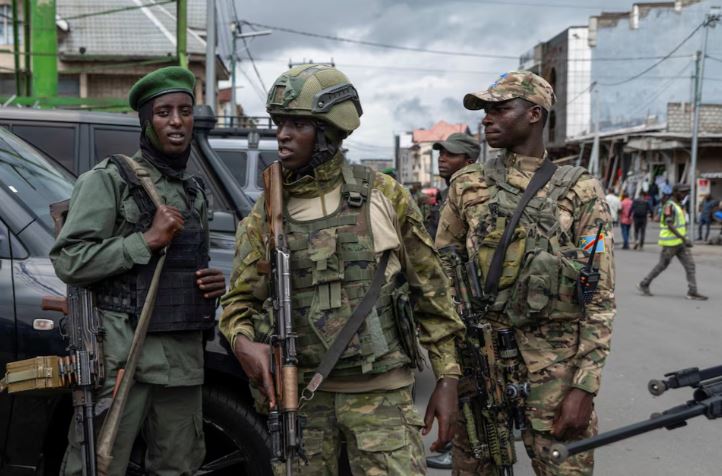
The AFC/M23 movement in North Kivu has handed over a group of minors previously associated with community-based Wazalendo militias, in what is being viewed as a rare positive development in a region long affected by child recruitment and conflict.
The children were found in combat zones in recently stabilised areas under AFC/M23 control, according to the group’s spokesperson, Colonel Willy Ngoma. Many of the minors were found in active fighting areas where Wazalendo militias, local community-based armed groups, have long operated amid the region’s conflict.
More To Read
- Peace falters as fighting in eastern DR Congo raises fears of regional war
- AU warns of rising violence in DR Congo and Great Lakes region amid M23 advance
- Burundi closes border with DR Congo after M23 enters Uvira, sources say
- Eastern DR Congo fighting kills scores, cuts food aid and drives mass displacement
- UN hails DR Congo-Rwanda peace deal amid ongoing hostilities in the east
- Scepticism grows over DR Congo-Rwanda peace deal
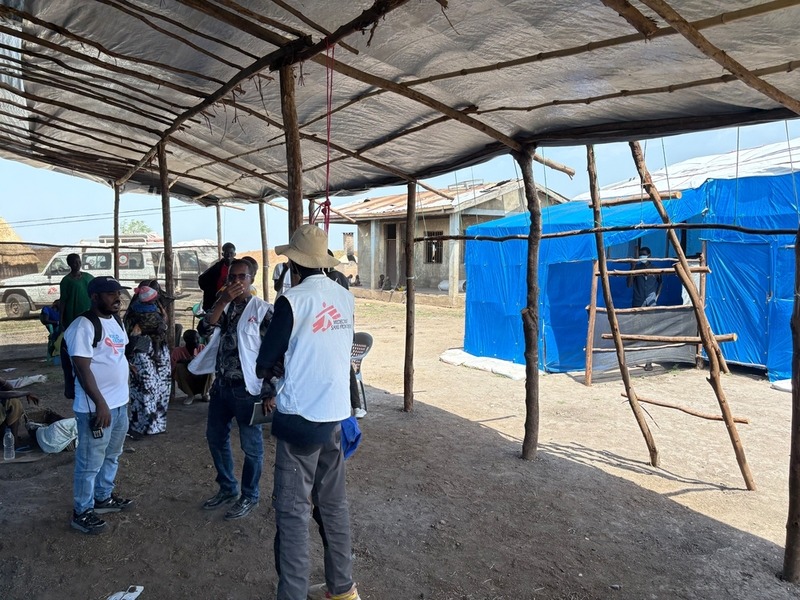
After being removed from the frontlines, the children were presented to medical teams for examinations to assess their physical and psychological condition.
The process was overseen by the spokesperson for the Congolese Revolutionary Army (ARC), Colonel Willy Ngoma, who said the movement was committed to removing all minors from areas of active combat and steering them toward education.
"Your place is in school," Colonel Ngoma said during the presentation. "The AFC/M23 is a professional army. No minor can bear arms here. You will return to your studies, and the movement will cover your school fees in partnership with the INPP."
According to M23, health workers conducted medical checks on the minors, many of whom had been found in combat zones or in areas controlled by Wazalendo militias.
Several of the children appeared in civilian clothing and were closely supervised by doctors, a move intended to signal what the group describes as a shift toward protecting vulnerable youth rather than exploiting them.
Some minors reportedly expressed interest in remaining with the ARC, a reflection of years of exposure to conflict and the normalisation of armed life in their communities. Colonel Ngoma rejected this idea firmly, emphasising that only adults aged 18 to 35 who have completed some level of education can join the force.
"You must be of legal age, between 18 and 35 years old, and above all, you must have studied. Dream of becoming engineers, mechanics, electricians, masons... The country needs your talents, not to see you exposed to danger," he said.
According to the movement, adult volunteers continue to arrive at reception centres seeking to join local security structures, but the AFC/M23 maintains what it calls a strict and “non-negotiable” ban on recruiting minors.
Local educators, community leaders, and some civil society actors in areas under AFC/M23 control have welcomed the step as an unexpected gesture of humanism in a region where child recruitment by militias has persisted for decades.
The movement says it has begun coordinating with education institutions, including the National Institute for Professional Preparation (INPP), which provides vocational and technical training to ensure the children receive sustained academic support as well as practical skills training for their reintegration.
Top Stories Today