Grade 9 transition: Why population, poverty and performance will guide senior school placements
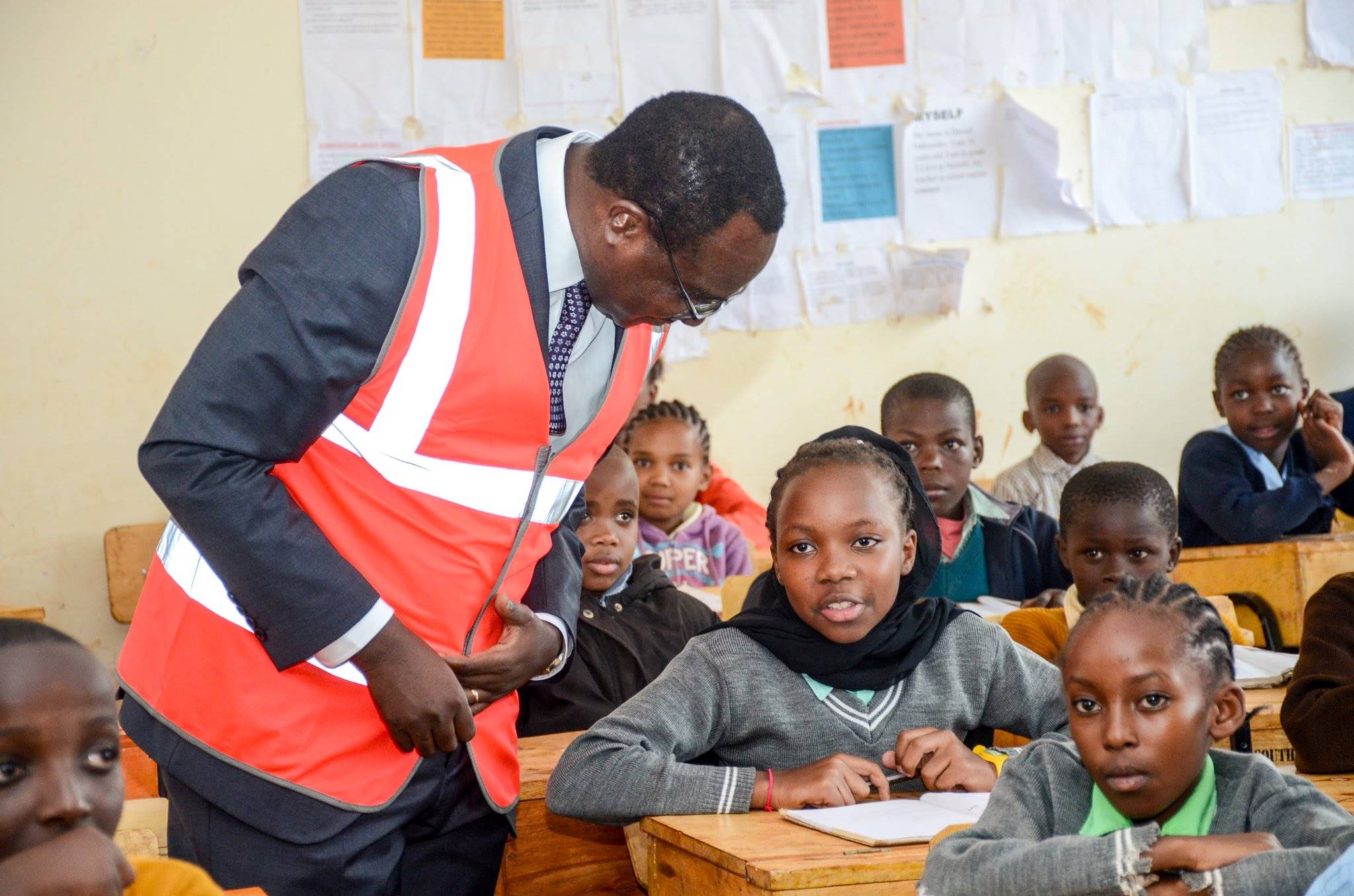
Starting Monday, learners will be assigned to institutions based not just on exam scores but also on distance to school, county size and infrastructure capacity.
Various factors, including population, poverty levels and learner performance, will now determine Grade 9 placements into senior schools as Kenya fully transitions from the 8-4-4 system.
Starting Monday, learners will be assigned to institutions based not just on exam scores but also on distance to school, county size and infrastructure capacity.
More To Read
- Explainer: How KJSEA 2025 results determine senior school pathways
- Over 150,000 students fail to progress to Grade 9 under CBC
- KJSEA 2025 results: Mathematics, Kenyan sign language record lowest performance among learners
- KNEC confirms Grade 9 repetition no longer allowed, advises focus on learner strengths
- KJSEA 2025 results: Girls outshine boys in majority of subjects as over 1.1 million complete first CBC assessment
- Hundreds of exam candidates stranded by Elgeyo Marakwet mudslides to be airlifted for national exams
According to the Ministry of Education, the new approach uses the County Revenue Allocation (CRA) formula, currently applied to distribute funds to the 47 counties, to ensure fairness, equity and transparency in senior school placement.
Under the CRA-based placement formula, 42 per cent of the allocation is determined by county population, ensuring that larger counties, such as Nairobi, Nakuru, and Kakamega, receive a proportionate number of slots. Learner performance accounts for 22 per cent, poverty levels for 14 per cent, distance to school for 13 per cent, and school size and infrastructure for nine per cent.
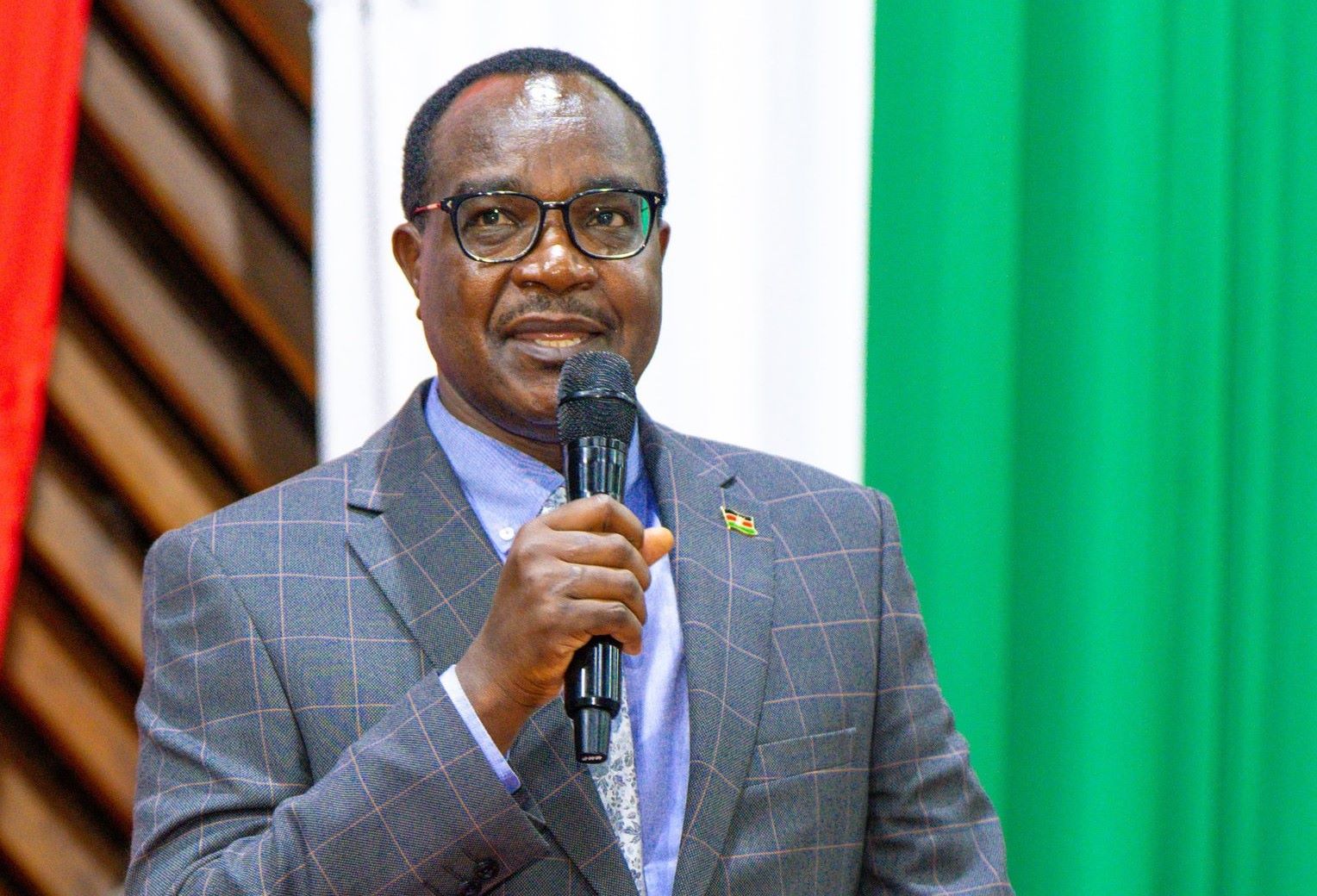
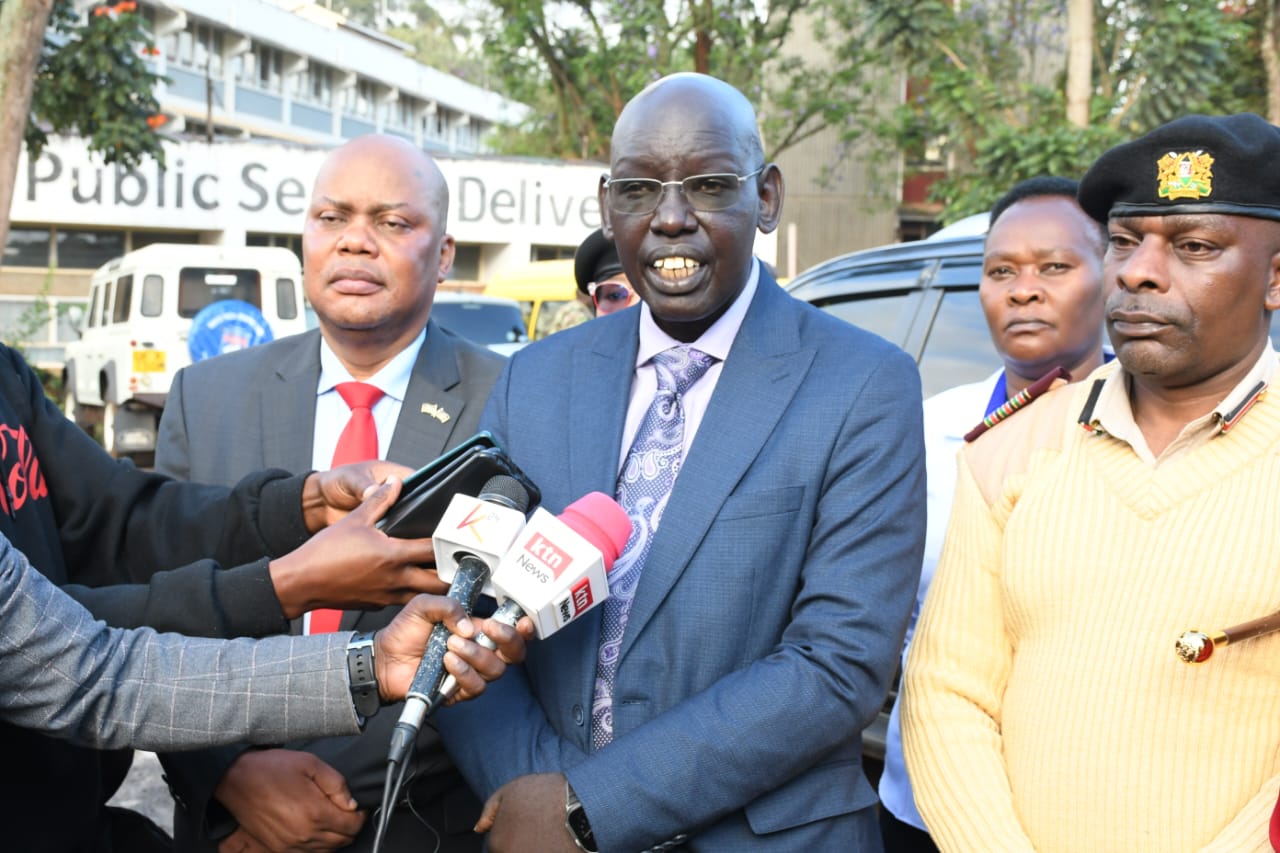
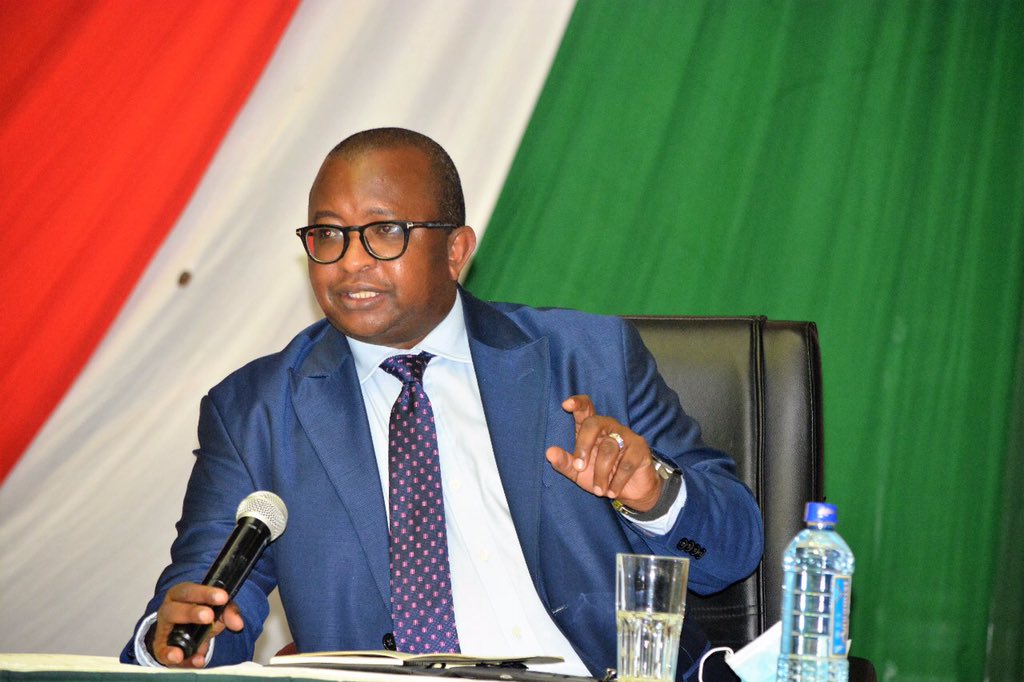
“To ensure fairness in placement across the country, we have adopted the CRA formula to distribute students from all counties fairly across the four categories of schools,” Basic Education Principal Secretary Prof Julius Bitok said.
The new system replaces the old 8-4-4 model, which relied heavily on Kenya Certificate of Primary Education (KCPE) scores. Under that framework, national and top-performing schools held a strong advantage, leaving learners from marginalised counties at a disadvantage, as placements favoured students with higher scores or proximity to elite schools.
The ministry plans to use additional classroom capacity to accommodate all learners, as senior schools will operate with three classes instead of four, leaving extra classrooms available.
“The total capacity of the 9,540 senior schools is 2.2 million learners. A total of 929,262 learners will be exiting secondary school after KCSE this year. Senior schools will have extra classrooms left because we will only have three classes at this level. These classrooms will provide additional space, helping us avoid overcrowding,” Education Cabinet Secretary Julius Ogamba said.
Speaking on Saturday, Ogamba defended both the pace of change and the assessment outcomes, acknowledging concerns from parents and teachers.
“All students will be in class by January 12, 2026. Concerns from parents and teachers about the pace of change are expected. Adjustments will take time, but we will get there,” he said.
He dismissed the notion of failure under the new grading model, stressing that the focus is on individual progress rather than ranking learners against each other.
“All students passed these exams. The focus is on measuring each learner’s progress. Competition is between the child and themselves, not among peers,” Ogamba said, adding that learners can now pursue pathways aligned to their strengths, including arts and social sciences, science and technology, or sports.
For the first time, senior school placement will follow the Competency-Based Education (CBE) model, introducing pathways that guide learners to STEM, social sciences, or arts and sports. Top performers will have priority for boarding and national schools, while the highest achievers in each track can select their preferred schools.
Schools have been grouped into clusters. Cluster 1 schools, corresponding to former national schools, will offer all three pathways, while day schools will provide only two. Learners have submitted a 12-choice selection, including nine boarding schools—three within the learner’s home county and six outside it—and three day schools within the home sub-county. Schools not participating in open placement will allow learners to pre-select before official placements.
All public and private schools will admit Grade 10 learners through the National Education Management Information System (NEMIS), with principals barred from entering learners into the system before they physically report. The ministry will monitor reporting daily.
Bitok said placements will be released by the end of next week, followed by a five-day revision window.
“Students will know their placements, and the five-day window will allow revisions, similar to the Kenya Universities and Colleges Central Placement Service for university students. The process will be seamless,” he said.
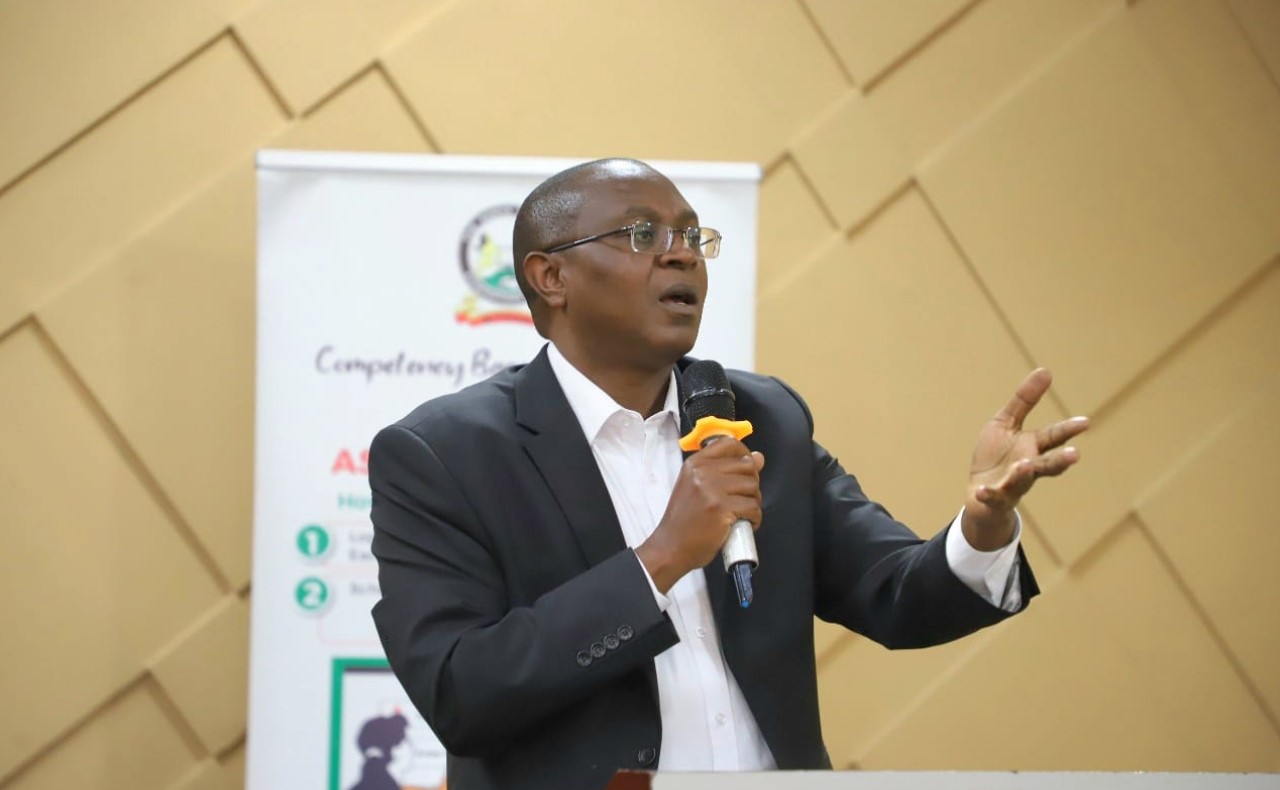
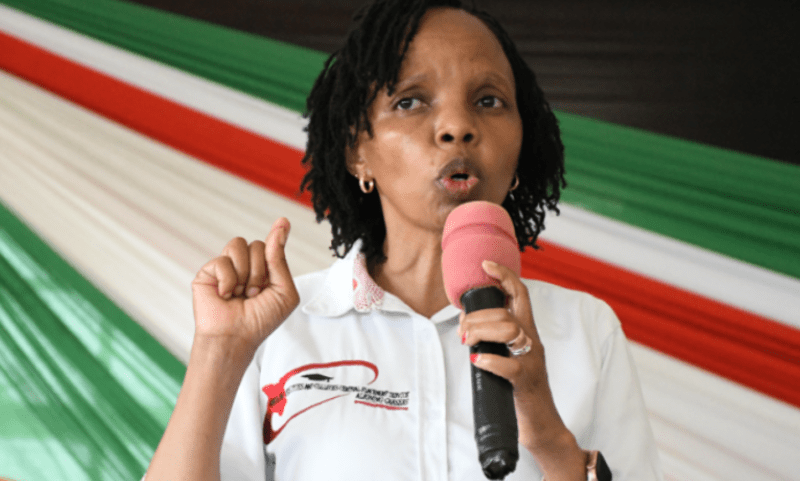
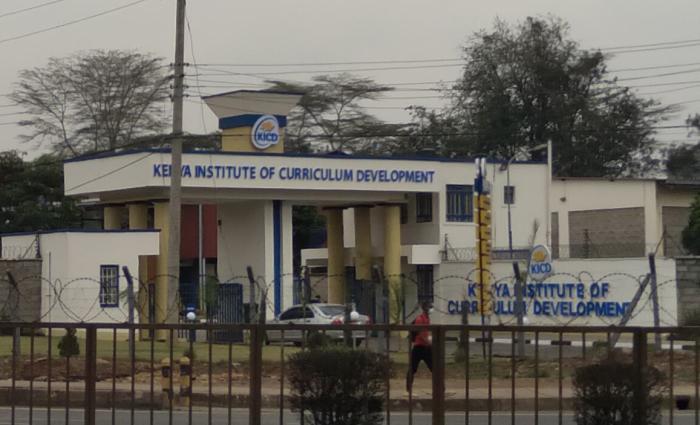
Kenya Institute of Curriculum Development (KICD) Director Charles Ong’ondo urged parents, guardians and teachers to guide learners in choosing career pathways once KJSEA results are released.
“Now that they have their results, let’s guide them with their parents to make well-considered decisions. Stakeholders are discussing ways to allow time for adjustments,” he said.
Despite assurances that there will be no ranking, competition for Cluster 1 schools is expected to remain intense.
Top Stories Today