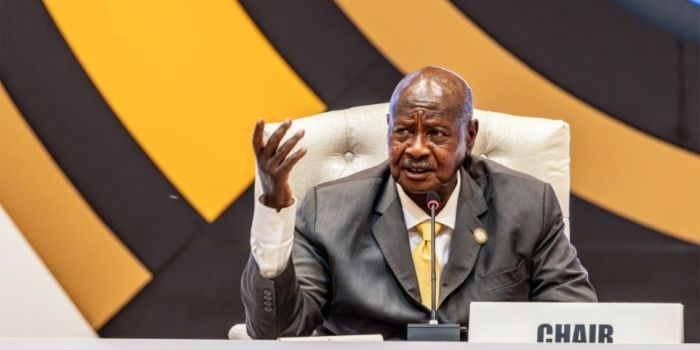
Somali President leads nation in mourning former Puntland leader Jama Ali Jama
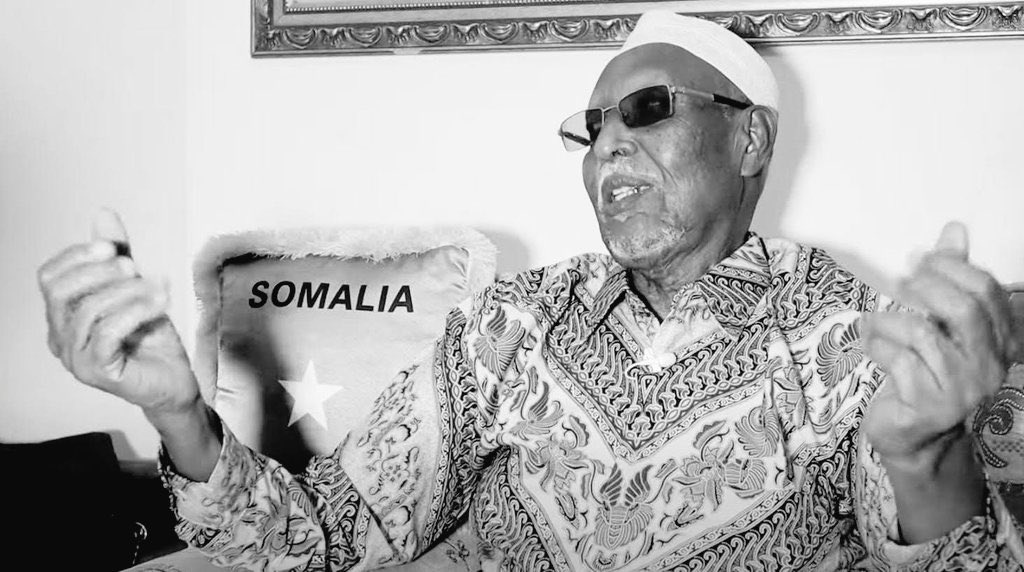
The President said Jama Ali Jama was among Somali leaders who contributed to the process of statehood and to efforts aimed at strengthening unity at times when the country faced divisions and competing political visions.
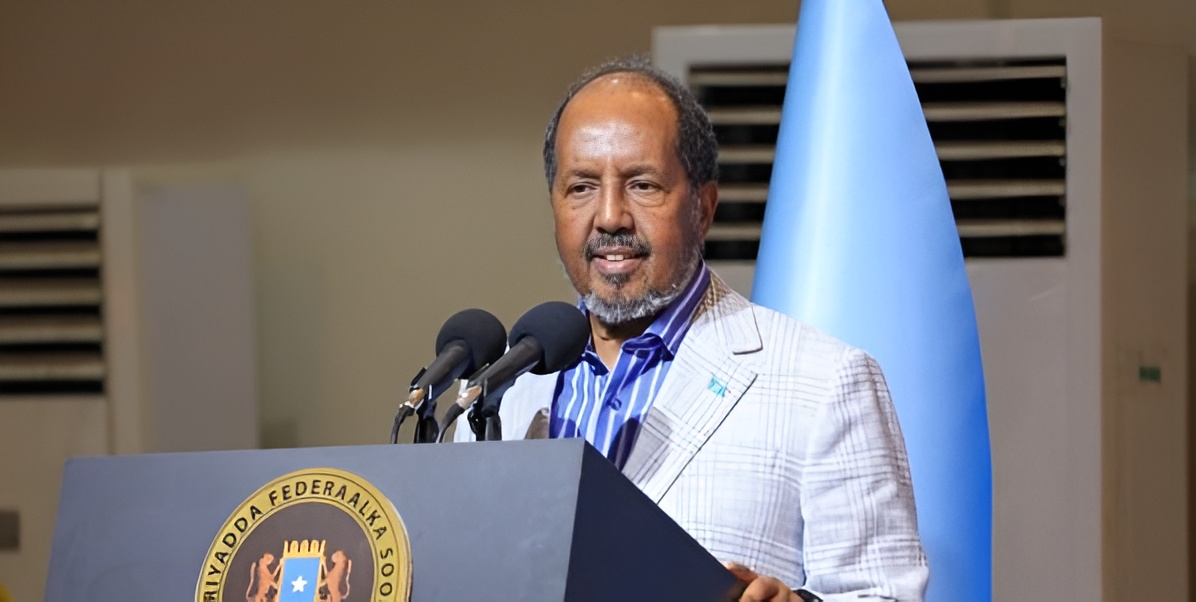
Somali President Hassan Sheikh Mohamud has led the Somali nation in mourning following the death of former Puntland President Colonel Jama Ali Jama, who passed on on Saturday.
Messages of condolence continued to arrive from across Somalia and from Somali communities living abroad, reflecting the impact Jama Ali Jama had on the country’s political and security history and on debates around leadership and state formation.
More To Read
- Somalia officially recognises SSC-Khatumo as 6th federal member state in historic unity move
- Fresh clashes in Somalia’s Gedo region force civilians to flee to Mandera
- Puntland defends seizure of controversial MV Sea World at Bosaso Port
- Somali opposition warns of political crisis amid failed talks with President Hassan Sheikh Mohamud
- Puntland releases seven Yemeni fishermen arrested over illegal fishing in Somali waters
- Jubaland and Puntland leaders to meet in Nairobi for talks on alliance against Somali President Hassan
In a statement released after news of the death became public, President Hassan Sheikh Mohamud extended condolences to the family of the late Jama Ali Jama, to the people of Puntland, and to the wider Somali nation, while noting that the former Puntland leader played a role during periods that shaped Somalia’s modern political direction and internal reconciliation efforts.
The President said Jama Ali Jama was among Somali leaders who contributed to the process of statehood and to efforts aimed at strengthening unity at times when the country faced divisions and competing political visions.
The President noted that Jama Ali Jama worked in areas that included security, politics, and reconciliation, and said these roles demonstrated his commitment to the idea of Somali nationhood and public service, particularly during moments of political tension and uncertainty.
President Hassan Sheikh Mohamud also offered prayers for the deceased and for those affected by his passing, while calling on Somalis to reflect on the importance of unity and dialogue.
“May His Allah make Jannatul Firdows his final home, and bestow patience and faith upon his family, relatives and all the people of Somalia,” said the president.
Condolence messages were also issued by Somalis from different parts of the country and from communities abroad, many of whom said they were shocked by the death of Jama Ali Jama and described his life as one that intersected with key moments in Somalia’s political and military history, particularly in Puntland and in the years following the collapse of the central government.
Somalia’s Ambassador to Kenya, Jabril Ibrahim Abdulle, was among officials who publicly shared their condolences, as he extended sympathy to the family of the late leader and to the Somali nation as a whole.
The ambassador spoke about Jama Ali Jama’s personal journey and his role within Somalia’s history, while highlighting the challenges he faced and the choices he made during periods of conflict and political change.
“Col. Jama was a man of extraordinary resilience who endured immense suffering & gave so much yet always remained dignified,” he said.
Jama Ali Jama served as a colonel in the Somali National Army and was stationed in Mogadishu at the time of the October 1969 military coup that brought the Supreme Revolutionary Council to power, an event that reshaped Somalia’s political system and military structure.
In later years, Jama Ali Jama was imprisoned without trial beginning in 1978, a period that lasted several years and was documented by Amnesty International in a report released in 1985.
In 2001, clan elders in Puntland selected Jama Ali Jama to serve as president for a three-year term, in a move aimed at addressing a leadership dispute that followed an attempt by the previous president, Colonel Abdullahi Yusuf Ahmed, to extend his term in office.
The decision led to a political crisis between 2001 and 2002, as Abdullahi Yusuf rejected the outcome, resulting in a power struggle that included armed confrontations and mediation efforts, with Ethiopia playing a role in the process.
In May 2002, forces loyal to Abdullahi Yusuf, with support from Ethiopian troops, removed Jama Ali Jama from power, after which he left Puntland, bringing an end to a brief and contested presidency that remains part of Puntland’s political history.
Top Stories Today