Helb loan defaults hit Sh46 billion as 380,000 graduates struggle to repay

The agency says it lacks legal authority to take drastic measures, as student loans are classified as civil debts, forcing it to rely on public appeals and credit bureau listings to recover funds.
Unpaid Higher Education Loans Board (Helb) loans have hit a staggering Sh46 billion, with more than 380,000 former students struggling to meet repayment obligations, leaving the agency grappling with a growing funding crisis for new learners.
The agency says it lacks legal authority to take drastic measures, as student loans are classified as civil debts, forcing it to rely on public appeals and credit bureau listings to recover funds.
More To Read
- HELB loan defaults hit Sh42 billion as number of defaulters surges by 40 per cent
- HELB: Former students owe Sh32 billion in unpaid loans, 64,000 blacklisted
- Senators demand reopening of HELB portal to allow more students to apply
- Universities directed to update student portals amid frustration over HELB delays
- HELB disburses Sh9.46 billion to over 309,000 university students, easing fee confusion
- HELB loans awarded to 136,000 first-time university students as government caps fees
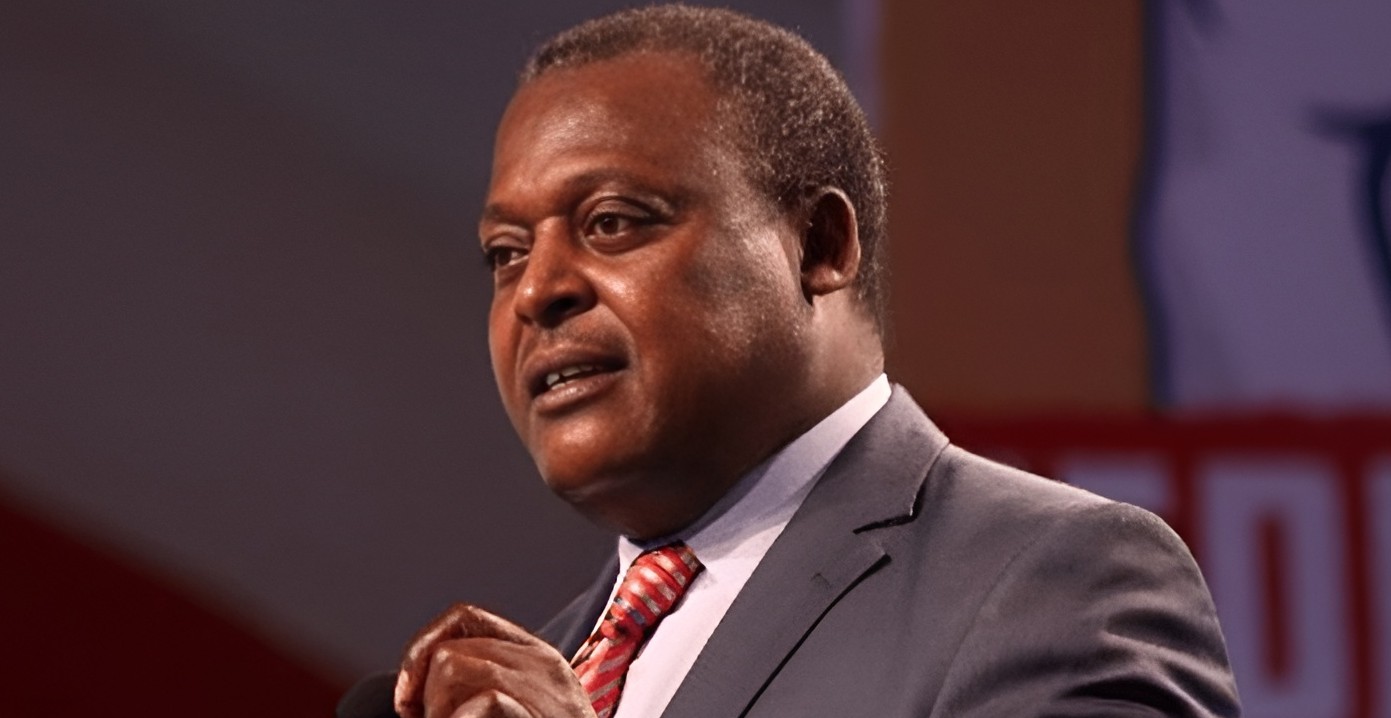
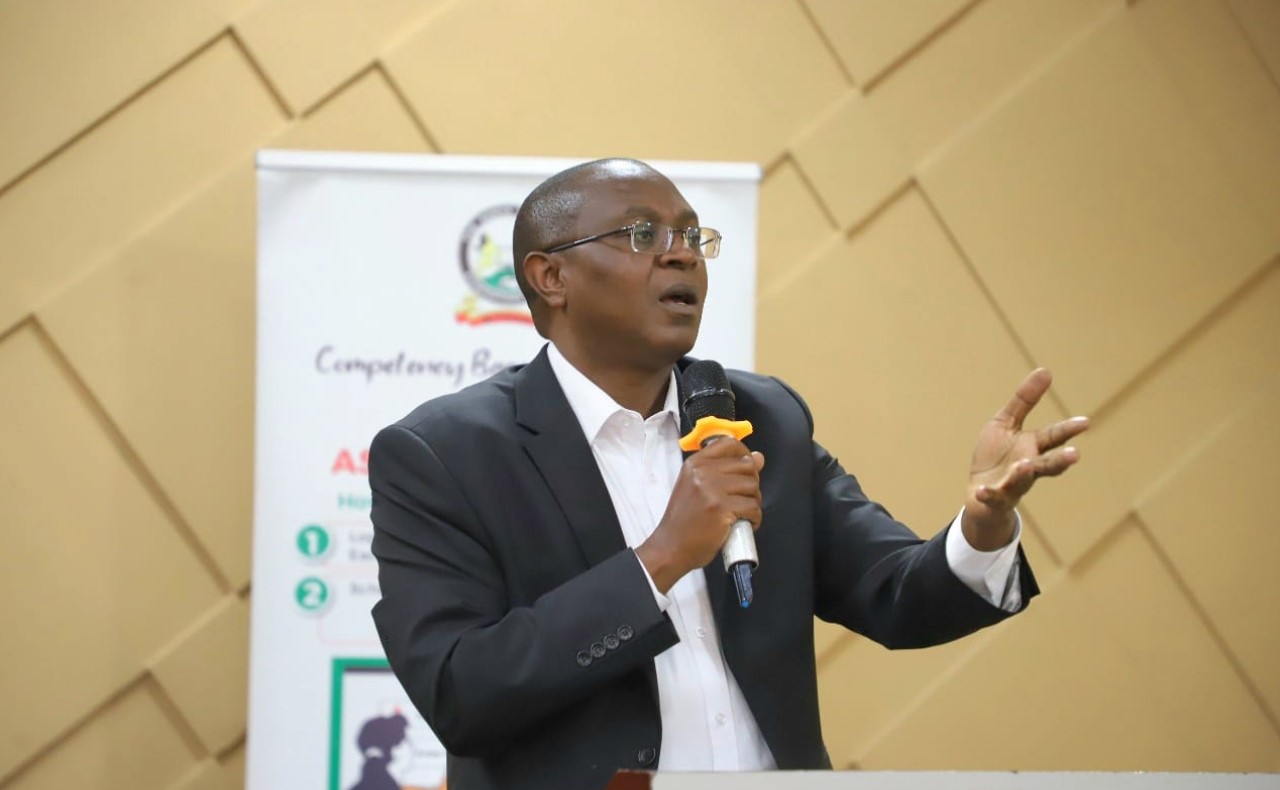
“We have a challenge, but we keep pushing defaulters to repay. We have 380,000 students who are not repaying, holding Sh46 billion. We cannot arrest them; the law does not allow us. Our loan is a civil issue, not criminal,” Chief Executive Officer Geoffrey Monari told Nation in an interview.
For nearly three decades, Helb has struggled to ensure that thousands of Kenyan students honour their repayment commitments once they graduate. Unlike theft or fraud cases, the board cannot use police powers to recover funds because the debt remains a private contractual dispute between the agency and individual borrowers.
In the absence of arrests, Helb relies on administrative and persuasive measures. These include public appeals, listing defaulters with Credit Reference Bureaus (CRBs) and engaging private debt collectors, who follow up at the borrowers’ expense.
“The agency repeatedly urges defaulters to repay. We also work with CRBs to list defaulters and with debt collectors, who follow up at the students’ cost,” Monari said.
Being listed with CRBs limits borrowers’ ability to access loans or credit from banks and other financial institutions. However, many former students argue that Kenya’s challenging job market makes repayment nearly impossible, trapping them between financial obligations and economic hardship.
Monari noted that the agency cannot publish defaulters’ names due to strict data protection laws. While Helb seeks funds to educate the next generation, critics argue that many Kenyans cannot realistically repay loans under the current economic conditions.
In 2024, President William Ruto shared his own experience with the student loan scheme to draw parallels with current challenges.
“I went to university in 1987 as a fresher and had a loan like you. I paid Sh55,000, with 2 per cent interest, so I paid Sh69,000,” he said.
He emphasised that repayment became possible only after securing stable employment.
“I paid when I got my first salaried job as an MP. The loan isn’t new; it sustains the model,” he said.
Ruto, who won the Eldoret North parliamentary seat in 1997, started repayment seven years after graduation, confirming the revolving fund concept that ensures repayment sustains funding for future students. Helb confirmed the President fully repaid his loan between 1990 and 2005.
Helb was established in 1995, inheriting assets and liabilities from earlier schemes, including loans dating back to 1974. Since then, the board has funded over 650,000 university and TVET students with Sh30 billion, covering tuition and upkeep.
“That’s why there is calm in higher learning institutions,” Monari said.
Student loan funding in Kenya started in 1952, when students studying abroad left title deeds as security.
“Some have never picked their deeds. People were generous enough to leave deeds for neighbours seeking studies abroad,” Monari said.
The second funding cycle ran from 1974–75 to 1995–96, before Helb’s establishment. Around 2016–17, the Differentiated Unit Cost (DUC) model was introduced, with the government covering 80 per cent and households 20 per cent of costs.
“But through Helb, or if you don’t need a loan, you pay direct. We faced challenges with this model. The new one is an adjustment — a student-centred model considering needs, household income, and programme costs,” Monari said.
Under the current system, Helb provides loans to university and TVET students, while the Universities Fund offers scholarships. The fifth funding model, launched by President Ruto on May 31, 2023 and rolled out in September, allows first-year students to access both loans and scholarships directly. This was aimed at stabilising universities that owed more than Sh60 billion.
East Africa University Vice Chancellor Christopher Mutembei said Helb is crucial for student access.
“Ninety per cent of our students benefit from Helb. It’s integral to private universities, which no longer receive government funding. Helb is better than the old government sponsorship, which wasn’t assured,” he said.
Recently, Helb faced scrutiny after a High Court ruling applied the in duplum rule, limiting interest and penalties to not exceed the principal. The decision has prompted calls for a class-action lawsuit by distressed former students. Helb has, however, maintained that it is complying with the ruling amid public concern over ballooning loan balances and fines.
In a new step to enforce repayments, Helb recently instructed private companies to deduct loan repayments directly from the salaries of defaulters through an online portal, with remittances due by the 15th of every month.
Helb officials said the initiative is backed by the 1995 Helb Act, which empowers the board to pursue legal measures to recover loans.
“Enforcing salary deductions will ensure the recovery of funds, which are crucial for financing future students from needy backgrounds,” Helb said.
The board emphasised that deductions will be automatic for formal employees, but borrowers still retain the option to repay through alternative channels such as M-Pesa or bank payments.
Top Stories Today