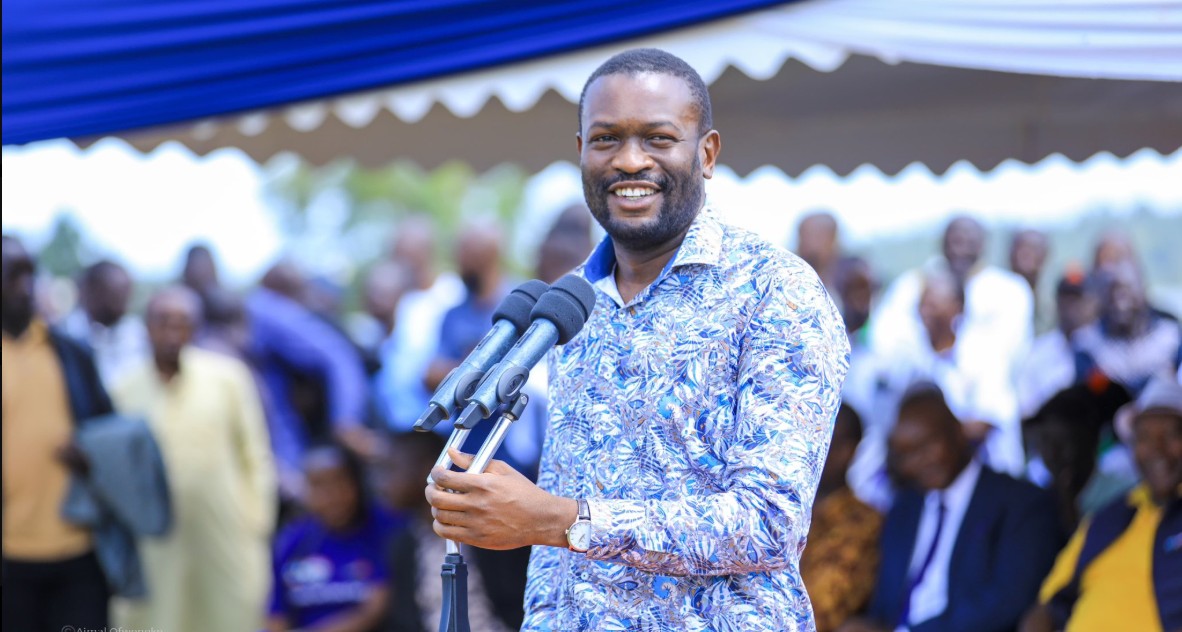
Wajir Governor Ahmed Abdullahi and other Coast religious leaders have welcomed the national government's decision to integrate Madrasa and Dugsi education into Kenya’s formal education system.
Governor Ahmed said the move fulfils a long-standing aspiration for many communities and strengthens access to recognised learning opportunities for children across the country.
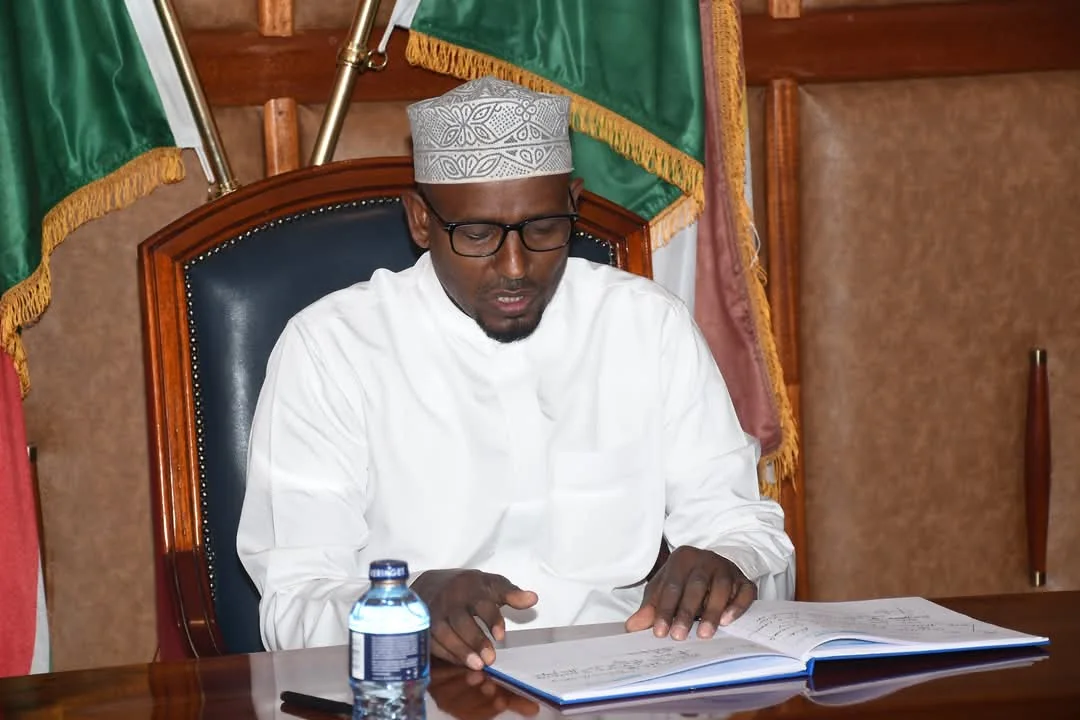
In a statement on Wednesday, following President William Ruto’s announcement during the 63rd Madaraka Day celebrations in Wajir County, the governor said the formal recognition of Madrasa and Dugsi institutions marked an important milestone for communities that have for years sought the inclusion of alternative learning systems within the national education framework.
Ahmed noted that Wajir County had already taken steps to support Madrasa education through county-led initiatives aimed at strengthening the sector and ensuring that learners enrolled in religious education programmes received support.
He said the county government began investing in the programme during his first term in office by placing Madrasa teachers on the county payroll, a move he said was aimed at expanding educational opportunities for children while preserving cultural and religious values.
“The integration of Madrasa and Dugsi education into Kenya’s formal education system is a long-awaited dream for many communities. I thank President Ruto for making this vision a reality through his commitment to formally recognising these institutions within the national education framework,” Ahmed said.
The governor stated that the county government continued to expand the programme after his return to office because of its importance to local communities and its role in providing learning opportunities to children who may not have access to conventional education pathways.
He said the decision to support Madrasa teachers was taken despite opposition from some quarters because he believed investment in the sector was necessary for the future of learners in the region.
Ahmed added that the national government’s decision to embrace the model represented a significant step toward ensuring that every child has access to education that is both recognised and relevant to their circumstances.
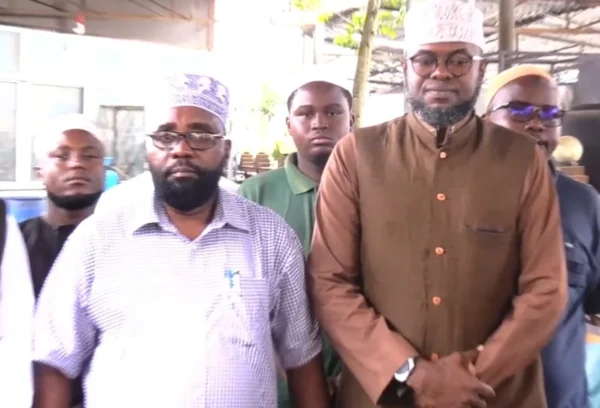 Coast religious leaders. They have back plan to integrate Madrassa and Duksi education into formal school curriculum. (Handout)
In the Coast region, religious leaders described the move as a major milestone for the Muslim community and a significant step towards recognising religious education within the country's academic framework.
The leaders said the proposal would elevate the status of Madrassa and Dugsi institutions, provide greater opportunities for learners and teachers, and ensure that Islamic religious education is formally recognised alongside other learning programmes under the Competency-Based Curriculum (CBC).
Sheikh Abu Qatada said they were encouraged by the President's commitment to ensuring that Madrasa and Dugsi education receives official recognition.
“We are very pleased as religious leaders that our President has recognised this form of education and wants it to be accepted as an inclusive and legitimate system of learning for our children,” he said.
He noted that many Islamic scholars and teachers have acquired qualifications in religious studies but have struggled to secure recognition for their certificates within the country's education system.
“We have many teachers who have studied and obtained qualifications in religious education. However, the greatest challenge has been that such certificates have not been recognised in our country,” he said.
According to Sheikh Abu Qatada, the proposed reforms could create new opportunities for Madrasa teachers to serve in a wider range of educational institutions.
“This initiative will open doors for religious and Madrassa teachers to access teaching opportunities in different institutions, including community colleges and other educational centres,” he added.
The religious leaders described the proposal as a historic development that could pave the way for Madrasa and Dugsi studies to be incorporated into the CBC framework.
They urged the government to move swiftly and ensure the directive is fully implemented so that learners and institutions can benefit from the changes.
Hassan Mubarak also hailed the proposal, describing it as an important step towards ensuring equal access to education for all children, regardless of their background.
“This is a historic step forward in ensuring inclusivity and equal access to education for all children. We therefore call upon the Ministry of Education to take responsibility and ensure the full implementation of this directive,” he said.
The leaders expressed optimism that the reforms would not only strengthen religious education but also improve educational opportunities for thousands of Muslim learners across the country.
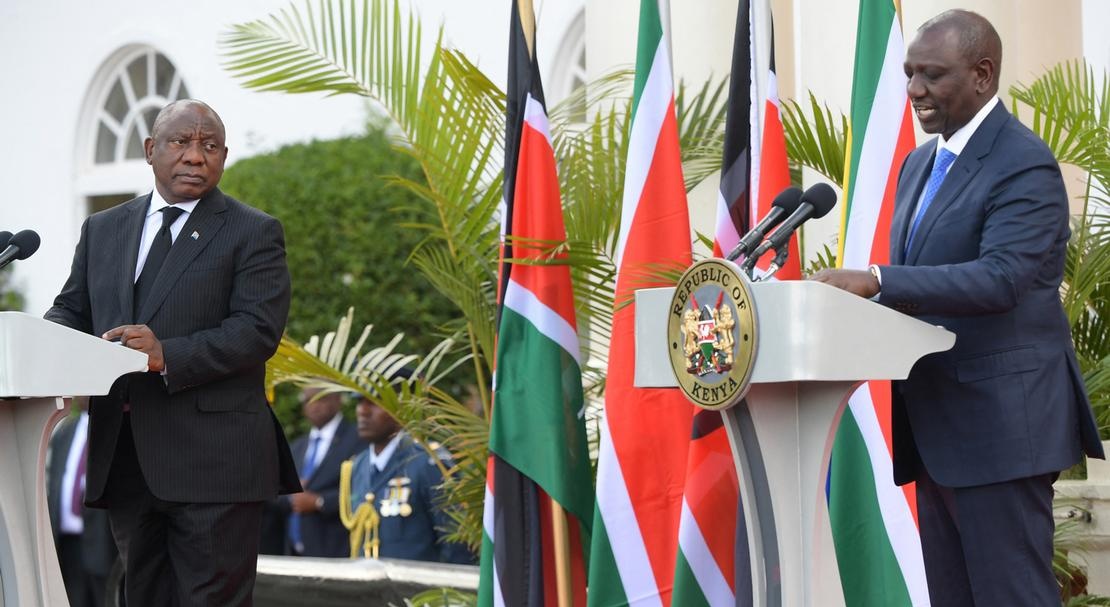
Their remarks came after President Ruto directed Education Cabinet Secretary Julius Ogamba to begin consultations with stakeholders on the formal integration of Dugsi, Madrassa and pastoral instruction programmes into Kenya’s education system.
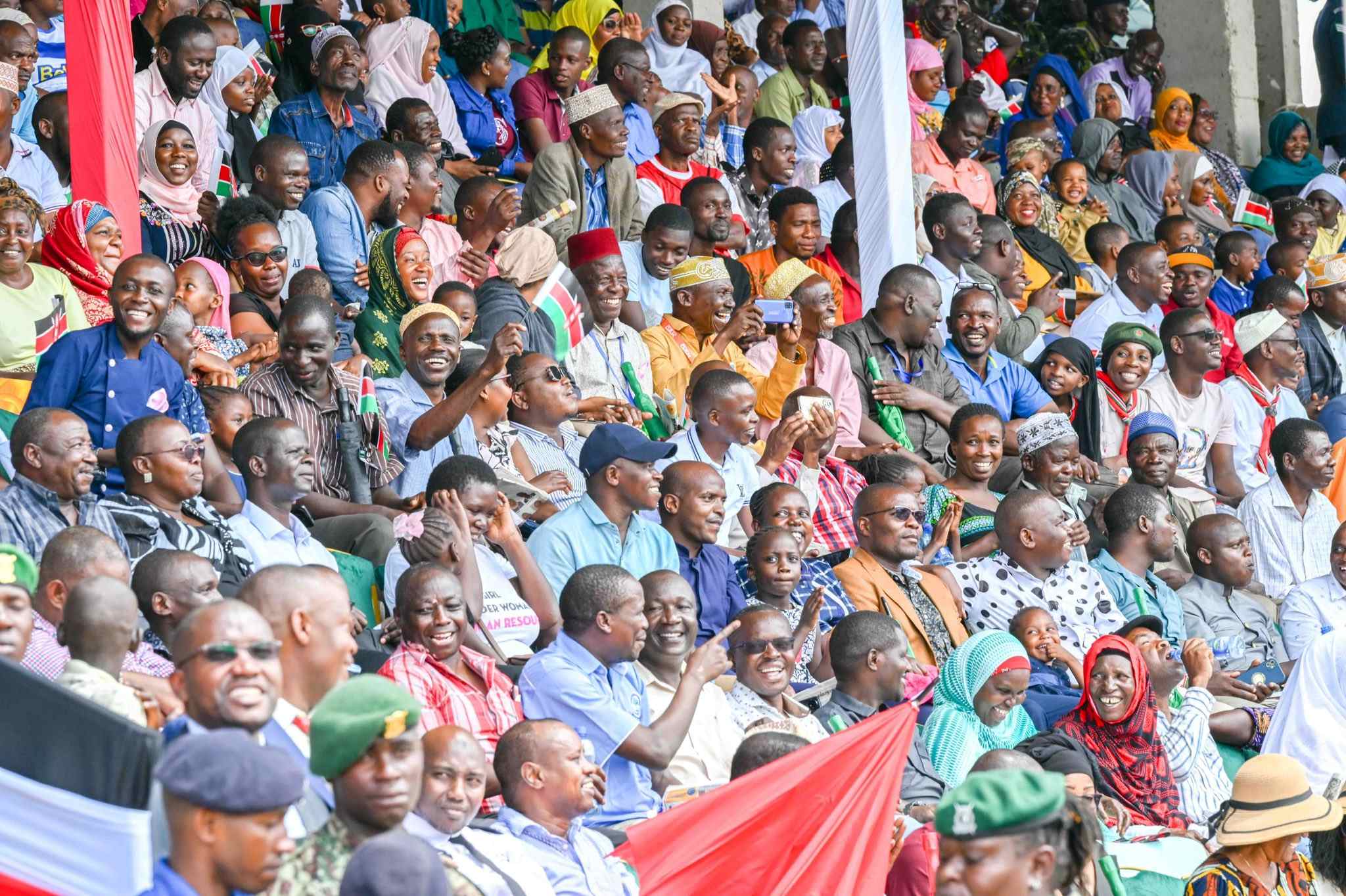
Speaking during the national Madaraka Day celebrations held in Wajir on Monday, the President said the planned reforms would ensure that all children have a recognised pathway to learning regardless of their background or circumstances.
He noted that a number of learners, particularly in marginalised areas, remain outside the formal education system because alternative forms of instruction have not been fully recognised within the national framework.
Ruto said the government would work with education stakeholders and community leaders to develop a framework that accommodates learners enrolled in Dugsi, Madrassa and pastoral instruction programmes while ensuring that they are linked to national education standards.
The proposal is expected to address concerns that have existed for years among communities in northern Kenya and other parts of the country where religious and pastoral forms of learning play a central role in the education of children.
Supporters of the initiative argue that formal recognition of these systems will improve access to education, strengthen learner progression and ensure that students can transition more easily into other levels of learning.
In Wajir, county leaders have pointed to the hiring of Madrasa teachers as an example of local efforts aimed at supporting alternative education pathways before the national policy announcement.
The county government says the programme has helped strengthen Madrasa education and increase access to learning opportunities for children.
























Comments
Sign in with Google to comment, reply, and like comments.
Continue with Google