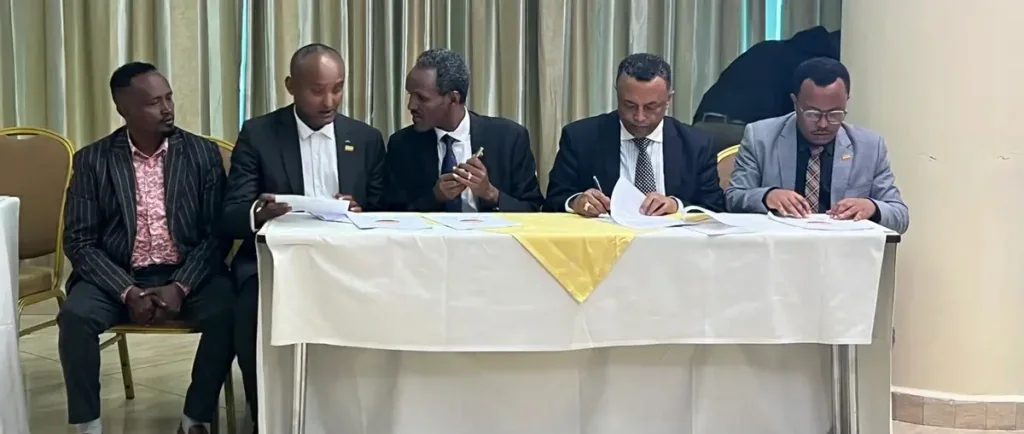
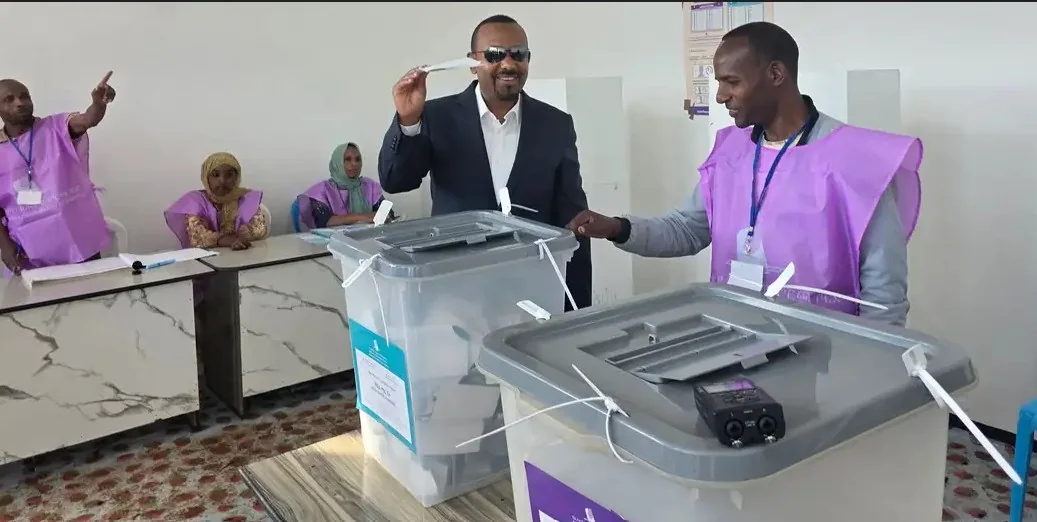
The Coalition for Ethiopian Unity has accused the ruling party of systematically undermining Ethiopia’s electoral process, alleging widespread intimidation, voter manipulation, and obstruction of opposition participation ahead of the upcoming election.
In a statement issued today, the coalition said the “pre-conditions of the electoral process are not met,” arguing that the fate of the country was being decided through a process that lacked “the true participation of the people.”
The coalition said it had repeatedly submitted documented complaints and evidence of alleged irregularities to the National Electoral Board of Ethiopia (NEBE), particularly regarding the conduct of electoral processes. Still, it claimed that no corrective action had been taken.
According to the statement, opposition candidates in more than 15 districts in the Oromia region were prevented from registering, while party members and leaders faced administrative pressure and harassment. The coalition further alleged that intimidation, including threats against members and their families, had forced some individuals to withdraw from participating in the election.
The statement also claimed that the electoral process in 92 polling stations in the Lemen district of the Oromia region was being conducted “in a way that is unknown to the public.”
Citing a recent pre-election survey conducted by professional entities in collaboration with stakeholders, including opposition parties, the coalition said the study found that 97% of surveyed areas lacked conditions conducive to a fair election. It argued that conflict-affected areas in the Oromia region, as well as major cities and surrounding areas, did not have the necessary environment for credible voting.
The coalition additionally accused government offices of facilitating voter registration for ruling party supporters while denying services to others. It is alleged that some government employees were pressured to register as party members and that citizens in Addis Ababa and other areas were forced to surrender their voter cards.
The statement further claimed that local officials continued to use “1-to-5” and “1-to-10” organisational structures to pressure communities politically.
Calling for political reforms, the coalition urged the government to end ongoing conflicts, release political leaders, ensure the safety of competing political forces, and initiate a comprehensive national dialogue.
While expressing appreciation for NEBE leadership’s efforts to conduct elections fairly, the coalition called on the electoral board to take stronger measures to ensure the safety of opposition members and prevent manipulation during the remaining stages of the electoral process.
Earlier this week, Ethiopian Citizens for Social Justice (EZEMA) accused authorities of undermining electoral rights after several of its candidates in the Harari region were reportedly disqualified based on ethnic identity, while party members and coordinators were allegedly arrested in parts of the South Ethiopia region. The party warned that such actions risk damaging the credibility of the upcoming election.
In a statement, EZEMA said candidates who were not members of the Harari ethnic group were barred from contesting seats linked to the Harari National Assembly following a court decision and subsequent electoral directives.
The party argued that the move contradicted constitutional guarantees granting citizens equal political rights regardless of ethnic identity, and described it as evidence of the country’s ethnic-based political system creating “first- and second-class citizens”.
EZEMA also alleged that security forces in areas including Gamo, Kore, Dawro, and Arba Minch in the South Ethiopia region had detained and harassed its candidates and local coordinators without legal grounds. Some of those detained were later released following intervention from the National Electoral Board of Ethiopia (NEBE), according to the party.
The latest allegations come amid growing concerns over the conduct of Ethiopia’s 7th general election. Last month, the Peace for Ethiopia Coalition, an alliance of eight political parties, warned that it would withdraw from the election unless authorities addressed what it described as “widespread legal violations, intimidation, and administrative irregularities” targeting its members. The coalition accused state security actors and ruling party structures of shrinking political space and obstructing opposition activities across several regions.
That coalition alleged incidents, including arrests, harassment of supporters, manipulation of voter registration, pressure on civil servants running as candidates, and coercive practices linked to voter cards. It also claimed that opposition supporters in some areas were threatened or denied services because of their political affiliation.
The National Electoral Board of Ethiopia previously acknowledged receiving reports of irregularities during voter registration and warned earlier this year that elections could be cancelled in constituencies where unlawful coercion and improper campaigning persisted. The board cited complaints involving door-to-door mobilisation and attempts to link voter registration to access to public services and employment benefits.
The Coalition for Ethiopian Unity has also recently raised concerns about the broader political and security climate in the country. In a statement issued in February, the coalition called for an end to attacks on civilians and the closure of media outlets, warning that ongoing conflicts in regions including Amhara, Oromia, Benishangul-Gumuz, and Tigray were causing heavy civilian suffering and undermining democratic space.
In that statement, the coalition criticised the government over restrictions on independent media and alleged revocation of journalists’ licenses, arguing that such measures contradicted constitutional protections for freedom of expression. It also urged all actors to abandon military approaches and pursue political dialogue to resolve the country’s deepening crises.





































Comments
Sign in with Google to comment, reply, and like comments.
Continue with Google