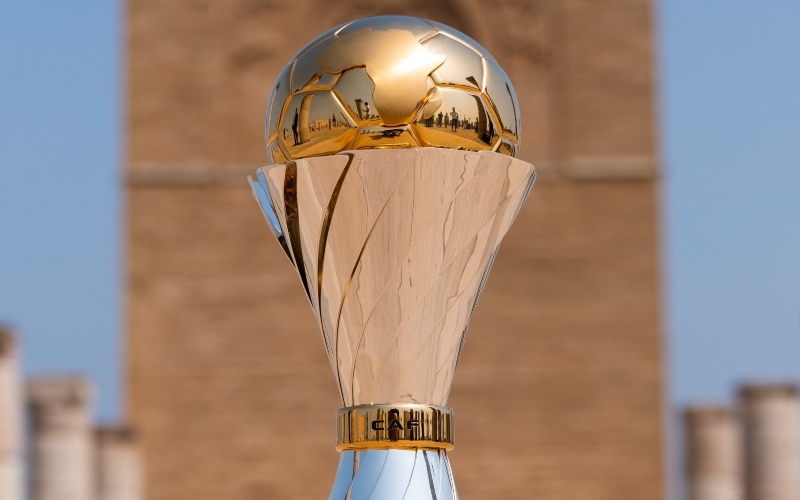
With just three days to the start of the 2026 Women's Africa Cup of Nations (WAFCON), the spotlight shifts to Morocco, where 16 teams will compete for Africa's biggest prize in women's football.
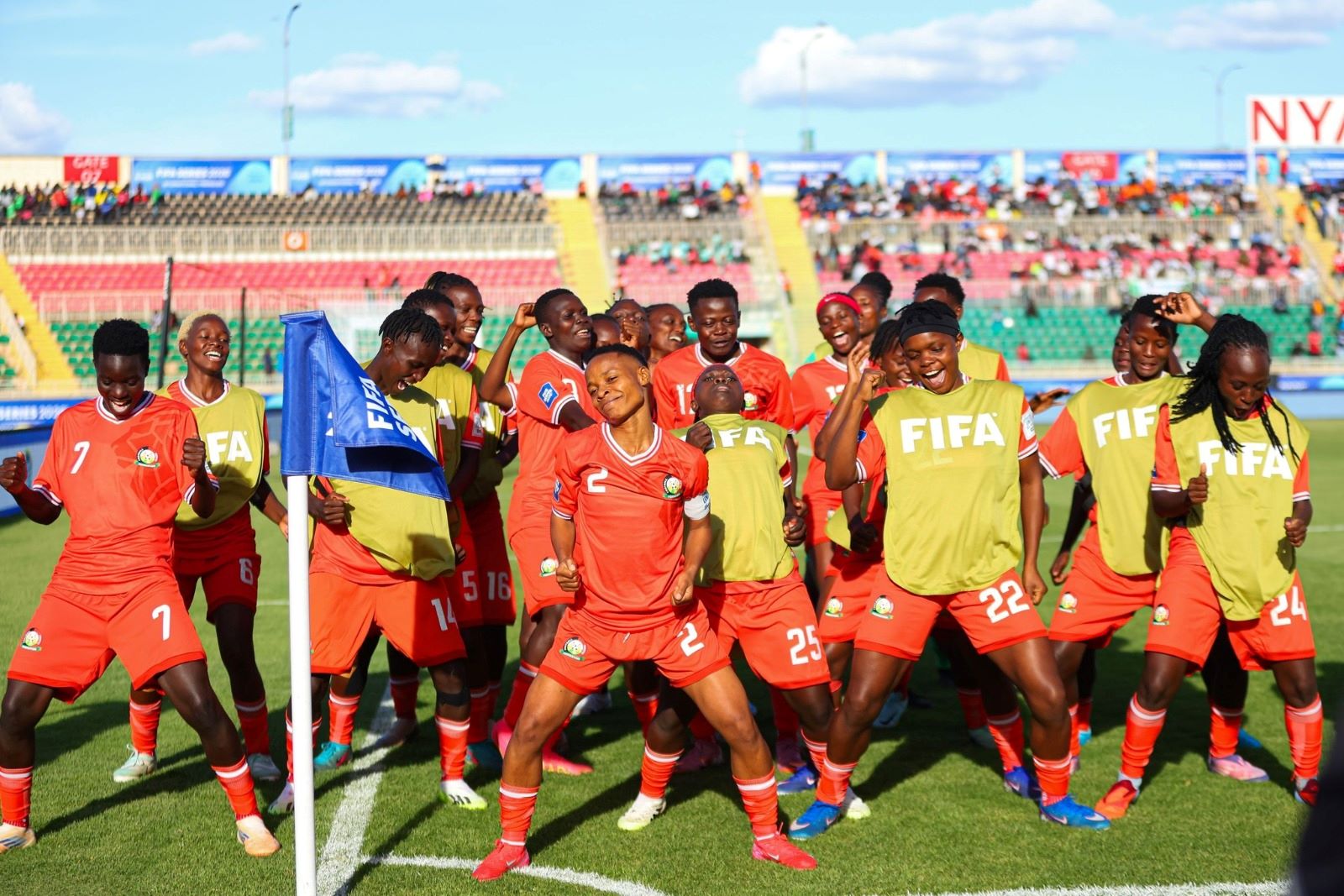
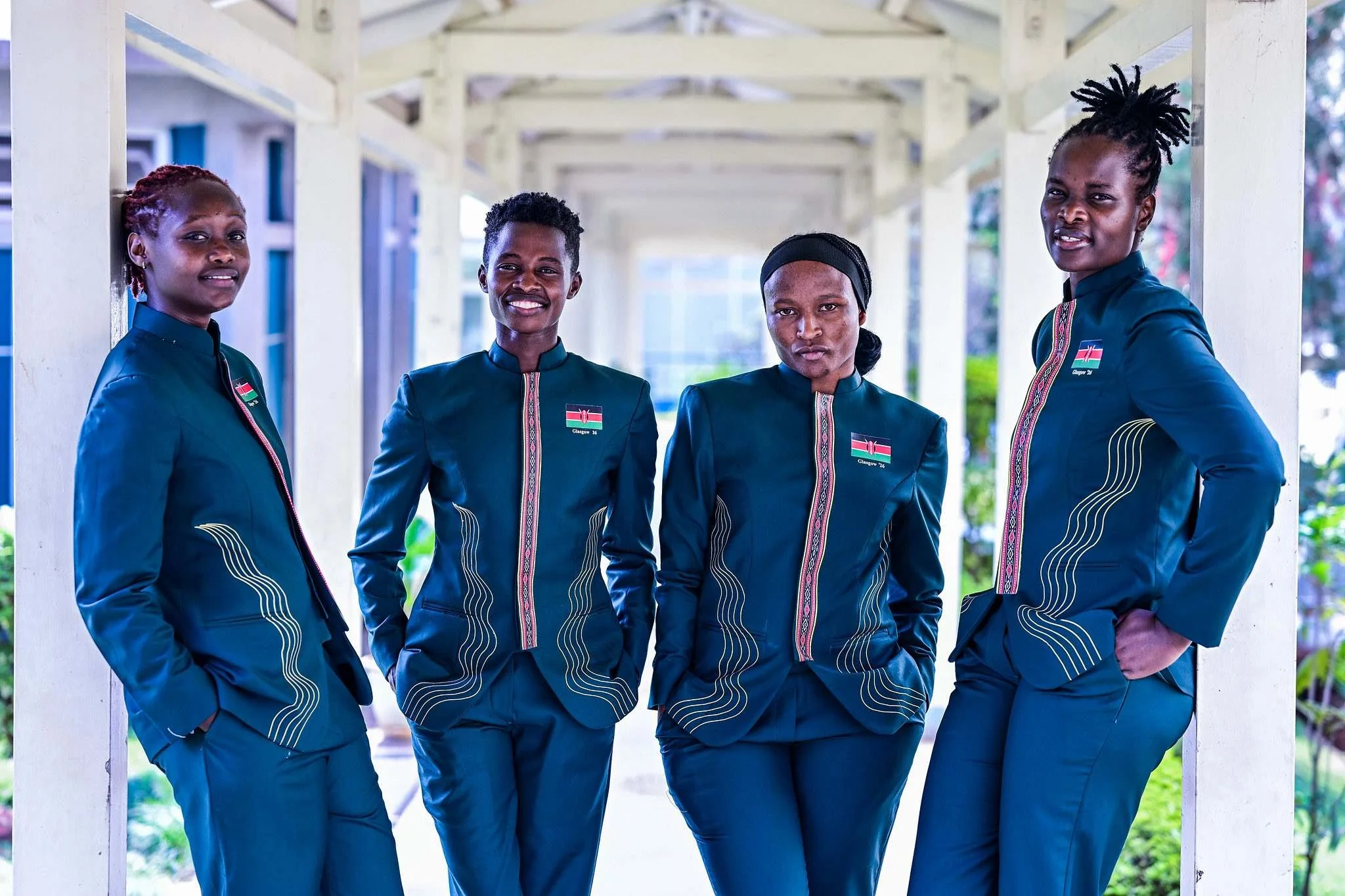
For Kenya, all eyes will be on the Harambee Starlets as they return to the continental stage with an opportunity to measure themselves against Africa's best and take a significant step towards a long-standing dream—qualifying for the FIFA Women's World Cup for the first time.
The tournament will also serve as Africa's qualification pathway to the 2027 FIFA Women's World Cup in Brazil, raising the stakes for every team competing in Morocco.
From the tournament format and Kenya's prospects to the qualification race and prize money, here is everything Kenyan fans need to know ahead of WAFCON 2026.
The road to the final
The tournament kicks off on July 26, with the group stage running until August 6. The quarter-finals will be played on August 8 and 9, followed by the semi-finals on August 12. The losing semi-finalists will face off in third-place play-offs on August 13, before the final takes place in Rabat on August 16.
Kenya's challenge
The Harambee Starlets have been drawn in Group A alongside hosts Morocco, Algeria and Senegal.
Morocco are expected to pose the toughest challenge. The hosts have established themselves as one of Africa's leading women's football nations after reaching the final in the last two editions and will aim to lift the trophy on home soil.
Senegal have also developed into a competitive side capable of upsetting more established teams, while Algeria possess the experience to mount a strong campaign.
Kenya will open its tournament against Morocco on Sunday, July 26, in a match that will provide an early indication of the Starlets' ability to compete with the continent's elite and their chances of progressing to the knockout stage.
A bigger tournament
WAFCON has grown significantly since its early editions, and the 2026 tournament marks another milestone.
For the first time, the competition will feature 16 teams, up from the 12-team format used in the previous two editions. The expansion allows more nations to compete on the continental stage while making the battle for qualification even more competitive.
The groups are:
Group A: Morocco, Algeria, Senegal, Kenya
Group B: South Africa, Ivory Coast, Burkina Faso, Tanzania
Group C: Nigeria, Zambia, Egypt, Malawi
Group D: Ghana, Cameroon, Mali, Cape Verde
The race to the World Cup
Beyond continental glory, WAFCON 2026 also offers teams a pathway to the 2027 FIFA Women's World Cup in Brazil.
The four semi-finalists will qualify automatically for the World Cup, while the teams eliminated in the quarter-finals will get another opportunity through play-offs for places in the inter-confederation play-offs.
For Kenya, a strong run in Morocco would not only mark one of the Harambee Starlets' greatest achievements but also bring the country closer than ever to making its Women's World Cup debut.
Morocco's venues
Morocco will host WAFCON for the third consecutive edition, with matches scheduled across five stadiums in Rabat and Casablanca.
Rabat will host matches at Moulay El Hassan Stadium (22,000-capacity), the Olympic Stadium (21,000-capacity), and Al Medina Stadium (18,000-capacity). Casablanca's venues are Larbi Zaouli Stadium (20,000) and Moulay Rachid Stadium (25,000).
The final is scheduled for August 16 in Rabat, although the specific venue has yet to be confirmed.
Teams to watch
Nigeria remain the team to beat. The Super Falcons have dominated WAFCON over the years, winning a record 10 titles and establishing themselves as Africa's most successful women's national team.
They head to Morocco seeking another crown, but the competition has become increasingly fierce. South Africa ended Nigeria's dominance by winning their first WAFCON title in 2022, while Morocco have emerged as genuine title contenders after reaching the last two finals.
Zambia have also developed into one of Africa's most dangerous attacking teams, while Ghana and Cameroon are among the other sides capable of challenging for the title.
Increased prize money
The Confederation of African Football (CAF) has increased the tournament's total prize fund to $5.8 million (Sh750.5 million).
The champions will receive $2 million (Sh258.8 million), double the amount awarded at the previous edition. The runners-up will earn $750,000 (Sh97.1 million).
Each of the 16 participating nations will also receive at least $150,000 (Sh19.5 million) in participation fees, representing a 20 per cent increase from the $125,000 (Sh16 million) awarded at the previous tournament.




















Comments
Sign in with Google to comment, reply, and like comments.
Continue with Google