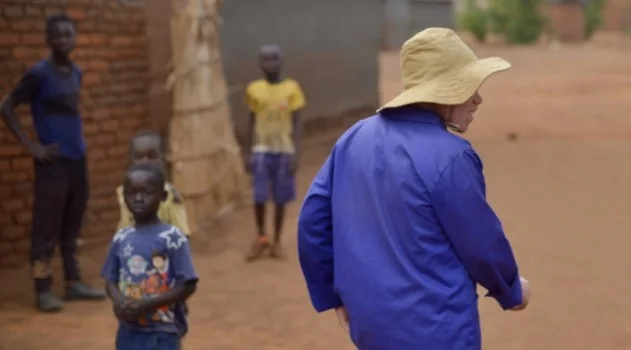
A new report by Human Rights Watch and the African Albinism Network says people with albinism in Malawi continue to face discrimination in jobs, schools and access to government support, even though laws exist to protect their rights.
The report is based on research carried out between October 2025 and April 2026 across nine districts in Malawi, with researchers interviewing 96 people, including 80 people with albinism.
It similarly reviewed Malawi laws, policy documents and reports from organisations such as the United Nations (UN) and the World Bank, with the findings shared with government officials and other stakeholders last month.
According to the report, released on Thursday ahead of International Albinism Awareness Day on Friday, June 13, many people with albinism in Malawi continue to live with stigma and fear that affects their education, their ability to find work and their everyday lives.
Many of those interviewed said their difficulties began in school, where they often face bullying and do not always receive the support they need to learn properly.
Those challenges continue into adulthood when they try to find work. Many said they were rejected after attending interviews in person once employers saw their appearance.
Others said they were judged as incapable of doing certain jobs based on how they look. Even those who get jobs often do not receive basic support such as sunscreen, protective clothing or accessible materials that would help them work safely and effectively.
“People with albinism in Malawi are being denied equal access to work because of discrimination, stigma, and fear,” said HRW Disability Rights Director Elizabeth Kamundia.
The situation is even harder in rural areas, where most people already rely on farming or informal work.
According to the report, many people with albinism end up doing outdoor labour despite the serious health risks of long exposure to the sun, including skin cancer, simply because they have no other way to earn a living.
Access to government support programmes is also uneven, with some respondents saying they were left out of assistance programmes because local leaders believed they were already receiving help from other organisations.
Women and girls with albinism face even greater challenges, including harassment, violence and economic dependence, which further limits their ability to live and work freely.
Although Malawi has strengthened laws meant to protect people with albinism, including the 2024 Persons with Disabilities Act and a new national disability policy in 2025, the report says enforcement remains weak. The report pointed to limited awareness among officials, lack of funding and weak implementation as major gaps.
According to researchers, real change will depend on how well these laws are enforced in practice.
“People with albinism in Malawi do not want charity or pity: they want equal opportunity, safety, dignity, and a sense of belonging, along with the chance to work without fear,” said Bonface Massah of the African Albinism Network.




























Comments
Sign in with Google to comment, reply, and like comments.
Continue with Google