For years, foldable smartphones were viewed as futuristic gadgets with more promise than practicality.
They were expensive, fragile, and often dismissed as devices designed for early adopters rather than everyday consumers. Today, that perception is changing.
A new generation of foldable smartphones is quietly reshaping the premium smartphone market.
Improved durability, better software, slimmer designs, and falling prices have made foldables more practical than ever before.
While they still represent a small share of the global smartphone market, industry analysts believe they are steadily carving out a niche among professionals, content creators, and consumers seeking devices that combine the portability of a smartphone with the productivity of a tablet.
From experiment to everyday device
The modern foldable smartphone era began in 2019 when manufacturers introduced devices with flexible OLED displays that could fold without breaking. Early models generated excitement but also criticism.
Users reported fragile screens, visible creases, bulky designs, weak hinges, and software that was not fully optimised for larger displays.
Repair costs were also high, making many consumers hesitant to invest in the new technology.
Fast forward several years, and manufacturers have addressed many of those concerns.
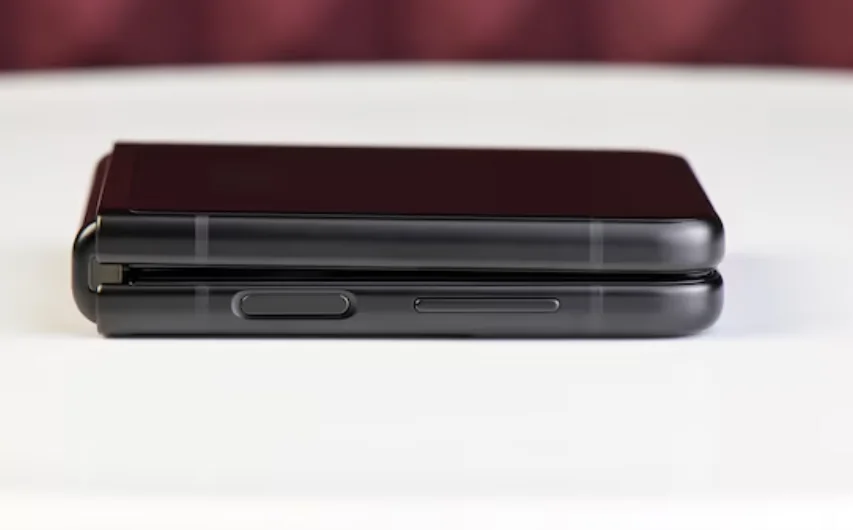
Today's foldable devices are thinner, lighter, stronger, and better equipped to handle the demands of daily use. Hinges have become more durable, flexible displays are more resilient, and software has evolved to take full advantage of larger screens.
Why foldables are making a comeback
Several factors are driving renewed interest in foldable smartphones.
1. Better durability
One of the biggest improvements has been durability. Manufacturers now use stronger materials, redesigned hinge mechanisms, and tougher ultra-thin glass to improve reliability. Many premium foldables are rated to survive hundreds of thousands of folds under normal use, giving consumers greater confidence in their longevity.
2. Improved multitasking
Foldables excel at productivity. Their larger internal displays allow users to run multiple applications simultaneously, drag and drop files between apps, edit documents while referencing emails, or attend video meetings while taking notes.
This makes them particularly attractive to professionals who rely heavily on mobile devices. Also, the display on the back screen, you can see notifications and time without necessarily opening the phone.
3. Larger screens without larger pockets
Unlike traditional smartphones that become increasingly difficult to carry as displays grow larger, foldables offer tablet-sized screens that fold into compact devices. Users can enjoy immersive entertainment, gaming, reading, and productivity without carrying both a smartphone and a tablet.
4. Better cameras and performance
Early foldables often compromised on camera quality compared to flagship smartphones. Newer models have narrowed that gap considerably, offering advanced camera systems, faster processors, AI-powered features, and improved battery efficiency.
5. Software has finally caught up
Operating systems and applications have evolved to support foldable displays more effectively. Features such as split-screen multitasking, floating windows, app continuity, and optimised interfaces have transformed foldables into productivity-focused devices rather than technological curiosities.
6. Leading foldable smartphones
Several manufacturers now compete in the foldable smartphone market, each offering different approaches to design and functionality.
Some of the foldable smartphones include; Samsung Galaxy Z Fold7, Samsung Galaxy Z Flip7, Google Pixel 9 Pro Fold, HONOR Magic V5 and OPPO Find N5.
But are foldables worth the price?
Despite significant improvements, foldable smartphones remain among the most expensive mobile devices available. Premium models typically cost considerably more than traditional flagship smartphones.
For many consumers, the price remains the biggest barrier to adoption.
However, buyers who value productivity, multitasking, entertainment, and innovative design increasingly see foldables as capable of replacing both a smartphone and a tablet, making the investment easier to justify.
Foldable smartphones are gradually becoming more visible in Kenya, although they remain a niche product due to their premium pricing.
Retailers and online marketplaces now stock devices from Samsung, Motorola, HONOR, OPPO, and Huawei, while flagship smartphone launches increasingly include foldable models.
As internet speeds improve, mobile productivity grows, and more Kenyans embrace remote work and digital content creation, foldable devices are expected to attract greater interest among professionals and technology enthusiasts.
While conventional smartphones will continue to dominate the market for the foreseeable future, foldables are steadily proving that they are more than a passing trend.
As designs become thinner, software becomes smarter, and prices gradually become more competitive, foldable smartphones appear well-positioned to play an increasingly important role in the future of mobile computing.
















































Comments
Sign in with Google to comment, reply, and like comments.
Continue with Google