Kenyan political activists mark and commemorate July 7 each year as Saba Saba Day, one of the country's most enduring symbols of the struggle for democracy, good governance and constitutionalism.
The significance of Saba Saba has evolved from an outlawed pro-democracy rally into a lasting reminder of resistance against authoritarian rule.
Thirty-six years after the original demonstrations challenged the foundations of President Daniel arap Moi’s one-party government, the day continues to shape Kenya’s political journey.
“Saba Saba” is the Kiswahili phrase for “Seven Seven” — the seventh day of the seventh month, July 7.
For many Kenyans, however, the day represents far more than a date on the calendar. It has become synonymous with the fight for political freedoms, constitutionalism, accountability and democratic governance.
The origins of Saba Saba
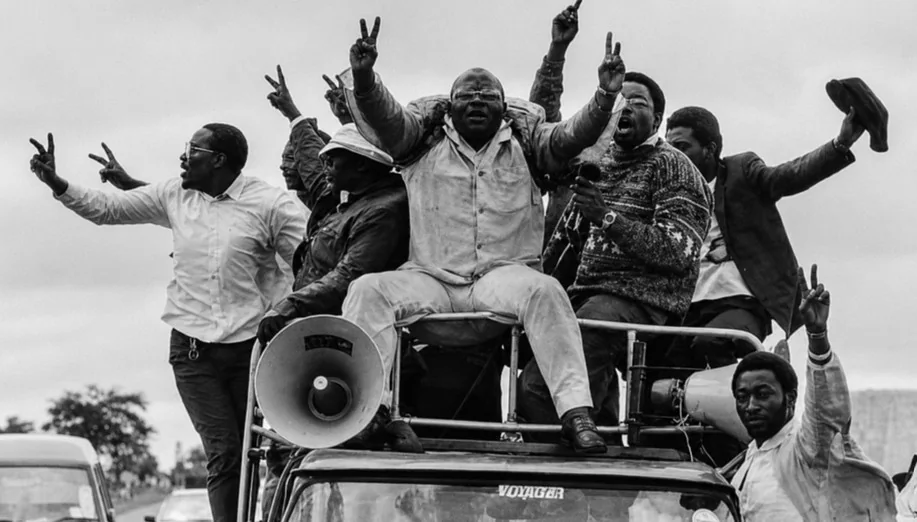
The movement traces its roots to July 7, 1990, when opposition leaders called for a public rally at Nairobi’s Kamukunji Grounds to demand the restoration of multiparty democracy.
At the time, Kenya was a de jure one-party state under the Kenya African National Union (KANU), following the introduction of Section 2A of the Constitution in 1982, which made KANU the country's only legal political party.
Political dissent was routinely and forcefully suppressed. Government critics were detained without trial, while public gatherings challenging the state were frequently banned.
The call for the July 7 rally was led by veteran opposition figures, including Kenneth Matiba, Charles Rubia and Jaramogi Oginga Odinga.
Their demands included the return of multiparty democracy, greater political freedoms, respect for human rights, free and fair elections, and an end to authoritarian rule.
Several days before the planned rally, the government arrested several organisers, including Matiba and Rubia, in an attempt to prevent the demonstrations. Instead, the arrests galvanised public support.
The protests that changed Kenya's political trajectory
Despite the ban, thousands of Kenyans took to the streets of Nairobi and several other towns.
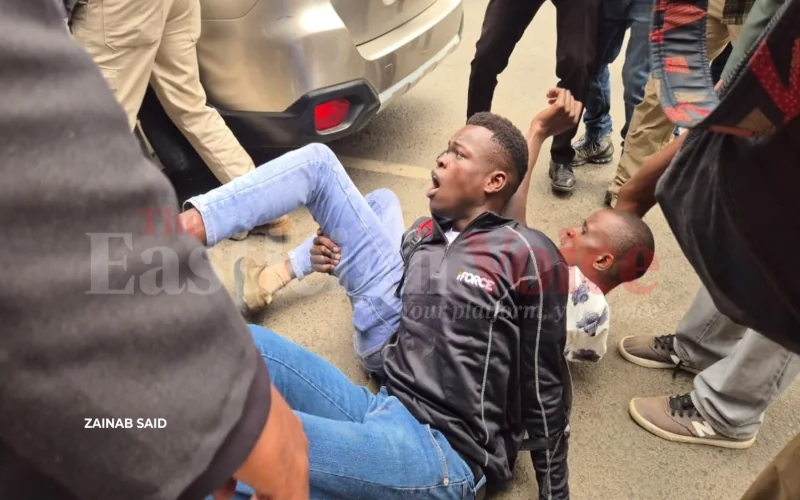
Anti-riot police responded with tear gas, batons and live ammunition as they attempted to disperse demonstrators.
Human rights groups estimate that at least 20 people were killed, hundreds were injured, and more than 1,000 people were arrested during the crackdown. However, some historical accounts place the death toll even higher.
Although the demonstrations were violently suppressed, they fundamentally altered Kenya’s political trajectory.
The pressure generated by Saba Saba did not produce immediate reforms, but it marked the beginning of sustained domestic and international pressure on the Moi administration.
Just over a year later, in December 1991, the government repealed Section 2A of the Constitution, restoring multiparty politics after nearly a decade of one-party rule.
The move paved the way for Kenya’s first multiparty General Election in 1992, ending KANU’s legal monopoly on political competition.
Although President Moi retained power in both the 1992 and 1997 elections, Saba Saba had irreversibly transformed Kenya’s democratic landscape.
Beyond the return of multiparty politics
The significance of Saba Saba did not end with the restoration of multiparty democracy.
Throughout the 1990s, opposition parties and civil society groups continued using the anniversary to press for electoral reforms, constitutional change and greater respect for human rights.
In 1997, fresh Saba Saba demonstrations again ended in deadly clashes between protesters and security forces as pressure mounted for electoral reforms ahead of that year's General Election.
Many historians regard the movement as one of the defining milestones of what became known as Kenya’s "Second Liberation."
From constitutional reforms to Gen Z
Over the years, Saba Saba has evolved beyond calls for multiparty democracy.
Modern commemorations increasingly focus on good governance, anti-corruption, police accountability, human rights, economic justice and constitutional freedoms.
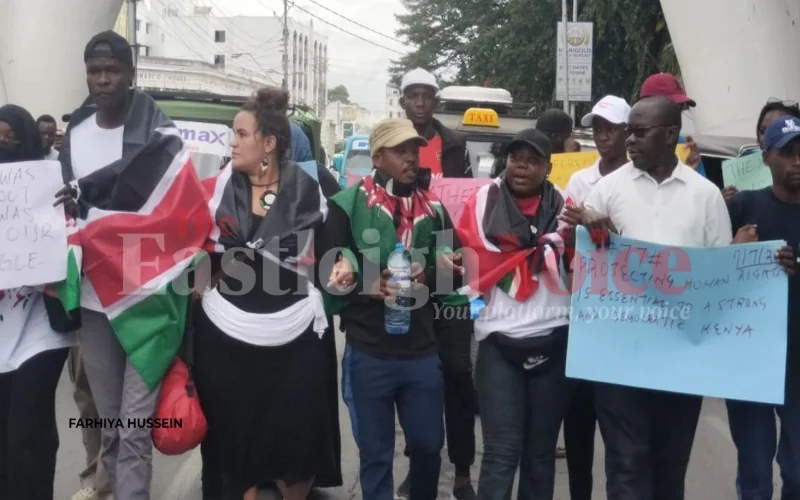
The anniversary gained renewed prominence following the youth-led anti-government protests of 2024 and subsequent demonstrations in 2025 and 2026, with many activists describing today's movement as a continuation of the democratic struggle that began in 1990.
Unlike the original Saba Saba movement, which was largely organised by opposition politicians, today's commemorations are often driven by civil society organisations, youth movements and ordinary citizens mobilising through social media.
Why Saba Saba still matters
Thirty-six years later, Saba Saba remains one of Kenya’s most powerful political symbols because it represents the principle that citizens have the right to demand accountability from those in power.
Supporters view it as a reminder that many of Kenya’s democratic gains, including multiparty elections, constitutional reforms and expanded civil liberties, were achieved through sustained civic action and sacrifice.
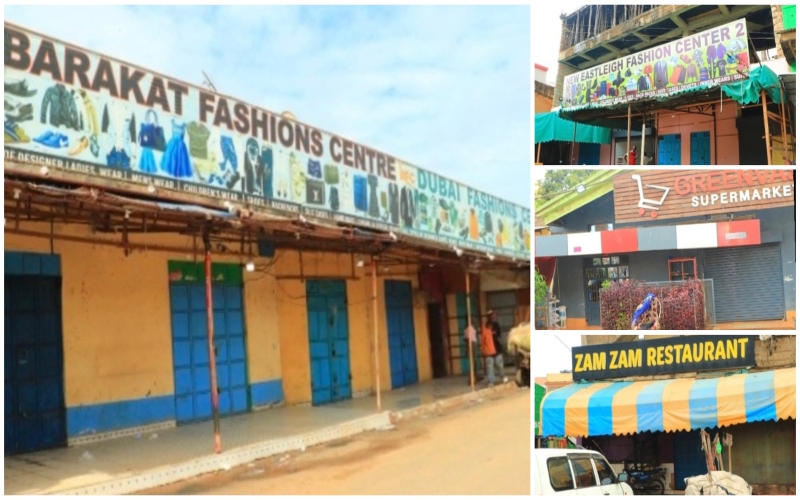
Critics, however, argue that annual demonstrations can disrupt businesses, affect transport and occasionally descend into violence, prompting repeated calls for political grievances to be resolved through dialogue and the ballot box.
That debate has become increasingly pronounced as successive governments have sought to balance the constitutional right to peaceful assembly with concerns over public order and security.
Whether viewed as a celebration of democracy or a day of protest, Saba Saba remains deeply woven into Kenya’s political identity.
Its significance and legacy extend far beyond the events of July 7, 1990. The day serves as a reminder that Kenya’s democracy was not simply granted but won through the determination of citizens who challenged an entrenched political system despite the risks.




























Comments
Sign in with Google to comment, reply, and like comments.
Continue with Google