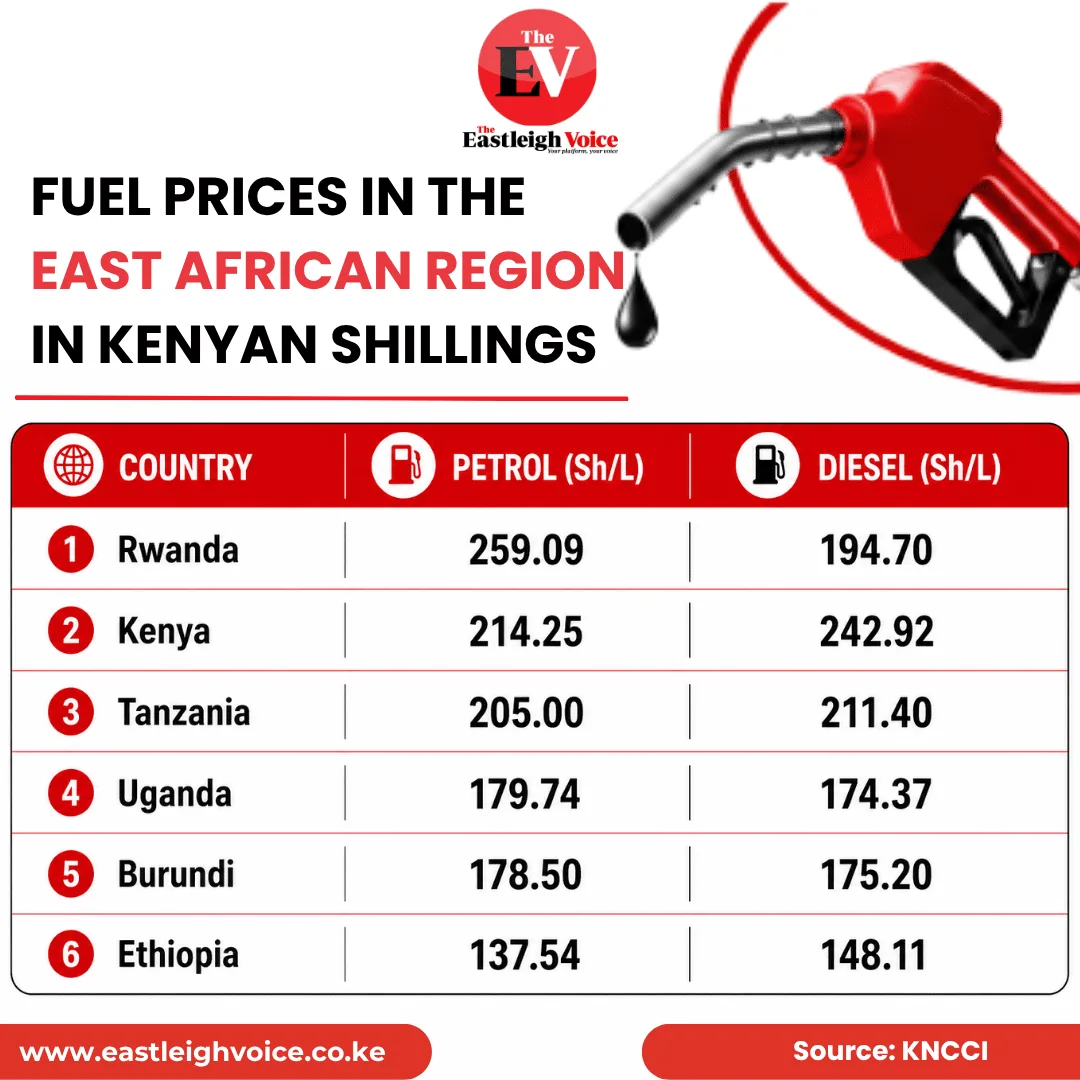
Kenya is losing more than $4 billion (Sh517.04 billion) every year through fossil fuel imports despite generating nearly 90 per cent of its electricity from renewable sources, a new report shows.
According to the report dubbed Beyond Fossil Fuels: Visions for Economic Diversification in Kenya, fossil fuels account for less than a quarter of the country’s total energy use, but remain Kenya’s costliest import.
Researchers have warned that continued dependence on imported fuel is slowing economic growth, exposing the country to global oil price changes and putting pressure on public finances.
“Kenya leads the way in renewable electricity generation, yet fossil fuels cost its economy billions every year. Although national climate policies have brought some progress in reducing emissions, true progress demands phasing out fossil fuel subsidies, investments and infrastructure,” reads the report.
The report shows that Kenya’s continued reliance on fossil fuels is driven by a combination of economic, social and political factors. It notes that fossil fuels remain widely available and affordable because government subsidies keep prices low, while the high upfront cost of clean technologies and infrastructure makes the transition to renewable energy slower.
Between 2021 and 2024, the report found that Kenya spent Sh169 billion on fuel stabilisation programmes to cushion consumers from rising fuel prices, resources it says could have been channelled to other development priorities.
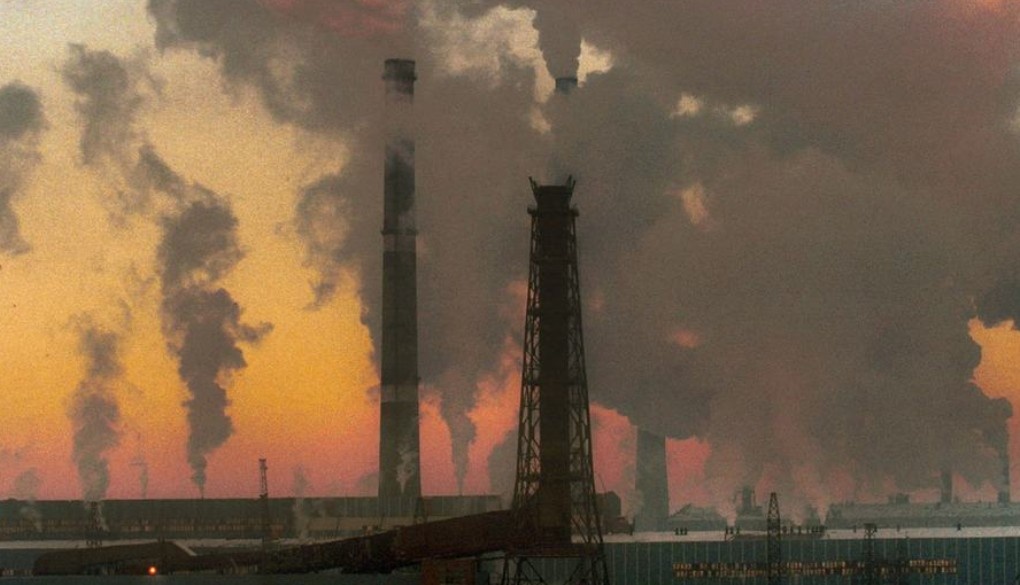
It further warns that the country’s dependence on fossil fuels carries serious health, environmental and economic costs. These include air pollution, water contamination, damage to ecosystems and livelihoods, as well as climate-related disasters such as droughts and floods, which it says cost Kenya about 2.8 per cent of its Gross Domestic Product every year.
The report also cautions that continued investment in fossil fuel infrastructure could leave Kenya with stranded assets while increasing the risk of unsustainable foreign borrowing that could weaken the country’s long-term economic stability.
“It could also open the door to 'debt trap diplomacy', where unsustainable loans from foreign lenders undermine the nation’s sovereignty and economic stability,” reads the report.
Researchers, however, highlighted Kenya’s progress in expanding clean energy through projects such as the Olkaria Geothermal Plant, the Lake Turkana Wind Power Project and the Last Mile Connectivity Programme, which raised national electricity access from 13 per cent in 2013 to 75 per cent by 2022.
It also noted that Kenya’s updated climate commitments seek to cut greenhouse gas emissions by 35 per cent by 2035 and achieve net-zero emissions by 2050.
However, the report pointed to gaps including the lack of clear plans to phase out fossil fuel investments, weak coordination across sectors and heavy dependence on external funding.
Researchers argued that Kenya’s economic future lies in expanding renewable energy, sustainable transport, climate-smart agriculture, green manufacturing and the digital economy instead of relying on fossil fuel extraction.
The government has now been urged to develop clear timelines to phase out fossil fuel subsidies, investments and infrastructure while directing more resources to renewable energy, energy efficiency, electric mobility, climate-smart agriculture, green manufacturing and the digital economy.
The report also called for debt reforms through reduced commercial borrowing, transparent debt audits, stronger public finance systems, greater awareness of green investment incentives and effective carbon market regulations that ensure communities benefit fairly.
Financial institutions and the private sector have also been urged to provide grants, concessional loans and technical support, increase investment in green sectors and work with government and academic institutions to develop technologies that support industrial decarbonisation.
Civil society organisations were also encouraged to support fair transition plans for communities that depend on fossil fuels while advocating for international financing from countries and corporations with the greatest responsibility for climate change.
Speaking during the launch of the report, Kenyan researcher Tracy Tunge of University College London dismissed claims that oil and gas production could provide a quick solution to Kenya’s debt burden, which currently stands at about Sh12 trillion.
Some have argued that the country’s fossil fuel reserves could help reduce the national debt.
“While the country earns an estimated Sh421 million annually from fossil fuel revenues, it would take us over 30,000 years to repay the debt even if the entire amount went to debt repayment,” Tunge said.
She added that even under the most optimistic estimates, revenue from oil production would still require between 50 and 130 years to clear Kenya’s debt, showing that fossil fuels cannot provide the financial breakthrough many expect.















































Comments
Sign in with Google to comment, reply, and like comments.
Continue with Google