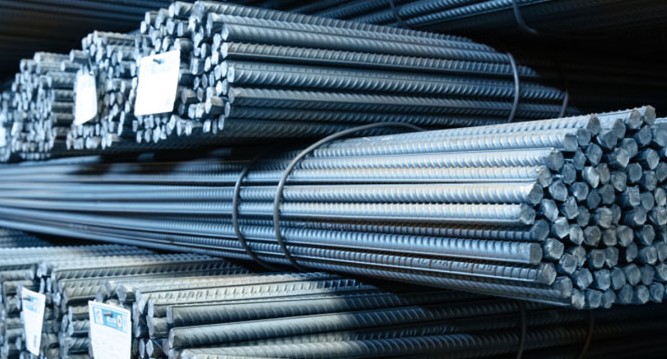
Kenya’s steel industry is operating at just 36 per cent of its installed capacity despite having the potential to produce 4.2 million tonnes annually, experts have said.
The level highlights a major gap that manufacturers, particularly, say must be addressed to unlock growth, jobs and industrial value addition.
The Kenya Association of Manufacturers (KAM) says the underutilisation of production capacity is limiting the sector’s contribution to the economy at a time when steel demand is rising due to infrastructure projects, affordable housing and industrial development.
Speaking during the opening of the East African Steel Summit in Nairobi, KAM Chief Executive Tobias Alando said the sector has evolved significantly over the years but continues to face challenges that have restricted production growth.
“Kenya’s steel industry has grown from the manufacture of nails in 1948 into a diversified industry covering hot and cold rolling, wire products, tubes and pipes, fabrication and aluminium products,” Alando said.
“The industry accounts for about 13 per cent of Kenya’s manufacturing sector and contributes approximately Sh34 billion in taxes annually. However, much of the country’s steel production capacity remains unused.”
He revealed that the sector has an installed capacity of about 4.2 million tonnes but currently operates at only 36 per cent of that capacity.
In 2025, Kenya imported about 1.66 million tonnes of iron and steel products while exporting approximately 197,000 tonnes.
“This low-capacity utilisation is due to the high cost of raw materials and production, declining exports of finished steel products, cheap imports and unpredictable tax policies,” Alando noted.
Manufacturers at the forum backed calls for interventions to reduce production costs, strengthen enforcement against substandard products and create a predictable policy environment that will enable local firms to increase output and compete in regional and global markets.
Alando stressed expanding domestic production would reduce reliance on imports while strengthening local supply chains and increasing value addition within the manufacturing sector.
“Despite the capacity we have built over the years, Kenya continues to import substantial volumes of steel products. This presents an opportunity to expand local production, deepen value addition, strengthen local supply chains and reduce our dependence on imports. A strong steel industry is central to our industrialisation because it supports construction, transport, energy and other industries that drive economic growth.”
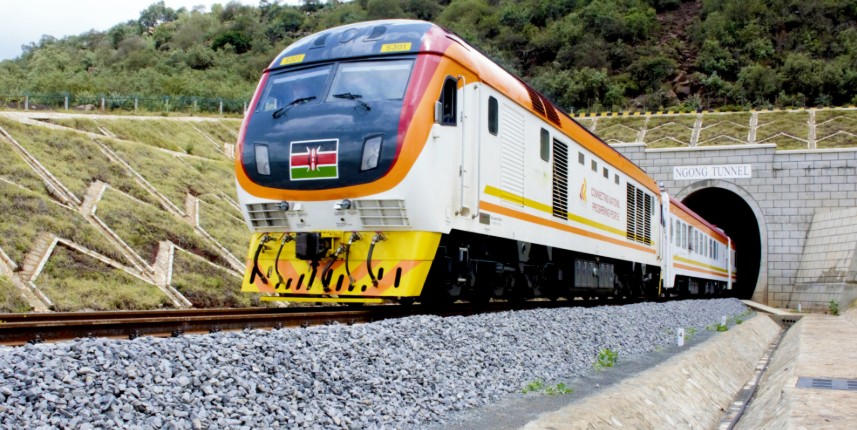
Notably, the sector is expected to benefit from rising demand linked to major investments in housing, roads, railways, ports, industrial parks and energy projects.
Manufacturers also see opportunities through trade frameworks such as the African Continental Free Trade Area (AfCFTA), COMESA and the Kenya-EU Economic Partnership Agreement.
However, they warned that competitiveness challenges must be resolved before manufacturers can fully exploit these opportunities, citing high energy costs, limited access to affordable financing, regulatory uncertainty and increasing competition from low-cost imports.
KAM Metal & Allied Sector Chairman Bobby Johnson said the steel industry remains central to East Africa’s infrastructure ambitions, noting that construction and development projects depend heavily on locally produced steel.
He also urged stronger regional cooperation to enforce standards and prevent substandard products from entering the market, arguing that consistent standards would protect consumers and support compliant manufacturers.
The two-day East African Steel Summit was organised by KAM in partnership with Steel Giant.
It convened more than 400 delegates, including manufacturers, processors, policymakers, financiers, technology providers and other players across the steel value chain to discuss production, investment, trade and sustainability in the sector.











































Comments
Sign in with Google to comment, reply, and like comments.
Continue with Google