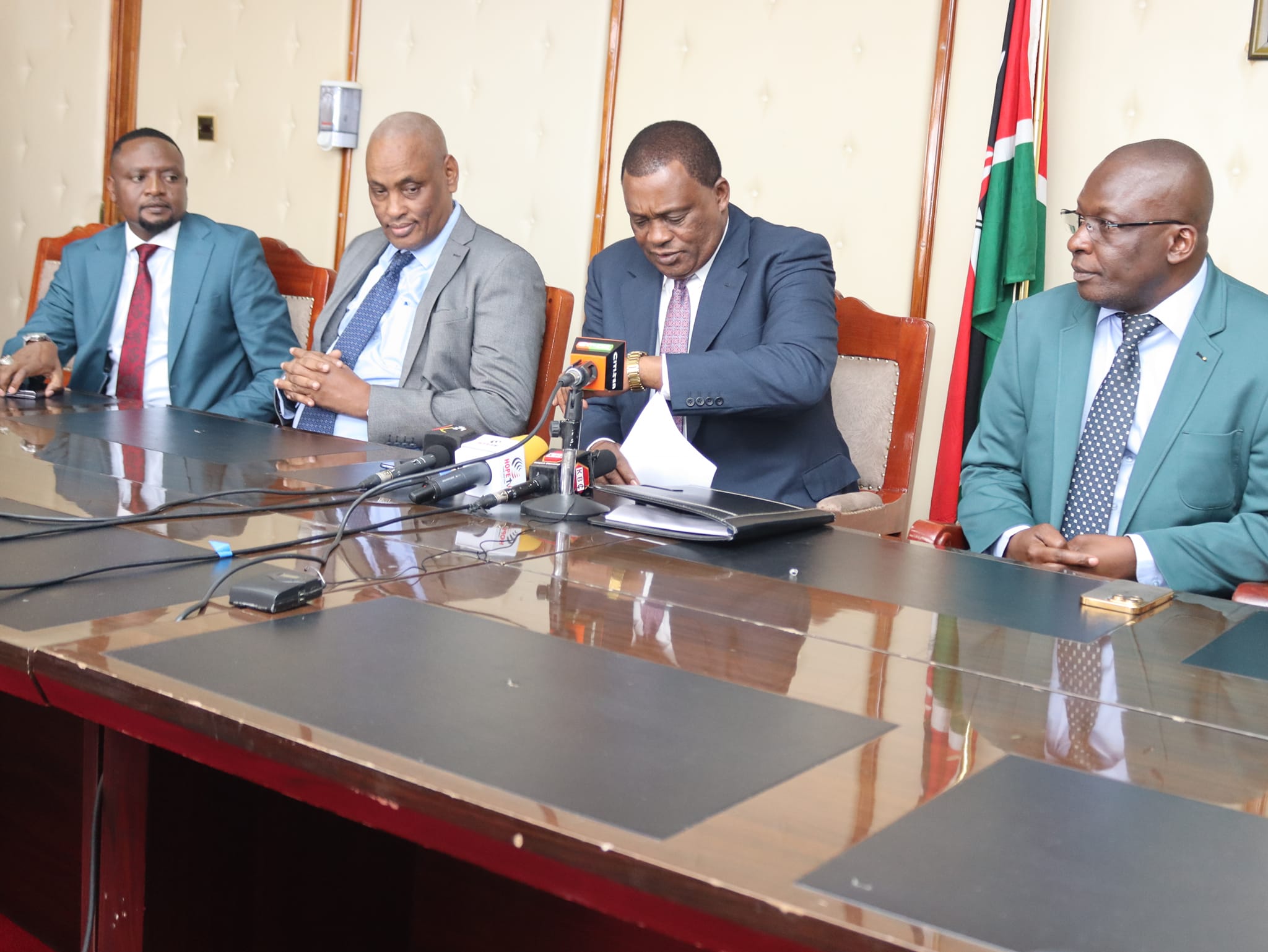
Former Attorney General Justin Muturi has hit back at Health Cabinet Secretary (CS) Aden Duale over claims that public participation is not required in the planned establishment of an Ebola quarantine facility in Laikipia Air Base in Nanyuki, insisting that Kenyans have a constitutional right to information and engagement on matters that affect their health, safety and well-being.
Appearing before the National Assembly on Wednesday, Duale said the government would not consult citizens on the matter, as the situation requires urgent intervention to prevent cross-border transmission of the disease.
“Under the Public Health Act, we don’t need to do public participation; we are not going to consult citizens. Even MPs, when they fall ill, rush to the doctor to ensure they receive the best treatment. This epidemic does not require any consultation,” he said.
“Tomorrow, if Ebola is found in this country, this House will call me back here to ask why Kenyans are dying. Before Kenyans are infected, the government has a responsibility to protect them.”
However, Muturi countered his remarks, arguing that public confidence in health policy can only be built through openness, transparency and accountability rather than dismissing public concerns.
He noted that the International Health Regulations (2005) are not new or secretive instruments, stressing that they were adopted by the World Health Assembly on May 23, 2005, and entered into force on June 15, 2007, making them binding on World Health Organisation (WHO) member states, including Kenya and the United States (US).
He added that the regulations came into force years before many current political leaders entered public office and said it is misleading to present public concern, scrutiny or calls for information on international public health obligations as unnecessary or uninformed.
According to Muturi, the International Health Regulations require countries to strengthen surveillance, reporting, preparedness and risk communication systems while ensuring implementation is carried out with full respect for human dignity, human rights and fundamental freedoms.
He further stated that the principle of informing the public and communicating health risks is embedded in the regulatory framework.
“Kenyans have a legitimate right to seek information on any matter that may affect their health, safety, and well-being. This principle is further reinforced by the Constitution of Kenya, which guarantees access to information and upholds public participation as a national value,” he said.
“It is therefore unfortunate and uncalled for for any public official to suggest that Kenyans should not be consulted, informed, or engaged on matters with potential implications for public health. Public confidence in health policy is built through openness, transparency, and accountability, not through dismissing legitimate public interest.”
He added that debates on public health measures and international obligations should be guided by facts, the law and respect for citizens’ constitutional rights.
“Kenyans are not passive subjects of governance; they are sovereign citizens entitled to information and meaningful engagement on matters that affect their lives,” Muturi said.
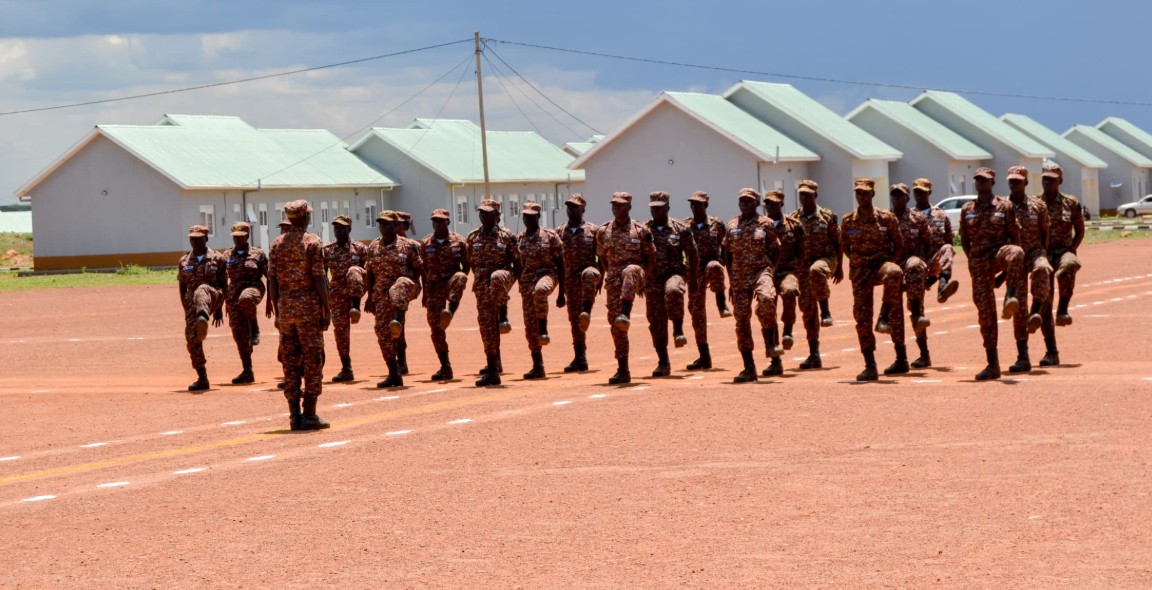
The proposed establishment of the facility has caused a stir among Kenyans, in particular Laikipia residents, who argue that they were not properly consulted and have raised concerns over their safety and the impact on the area. Leaders across the country have also rejected the plan, questioning the lack of public participation and calling for more engagement before its establishment.
However, CS Duale questioned why legislators would oppose the establishment of quarantine facilities in their counties, saying such facilities are necessary for treatment and control of outbreaks.
“If every county refuses to set up a quarantine facility, where will we treat Kenyans? Are we going to treat them in the air? We, as the government, have a responsibility,” he noted.
“We can still create another isolation centre in one of our barracks in any part of the country. The facilities will be used to treat both Kenyans and foreigners. Let’s not politicise it.”
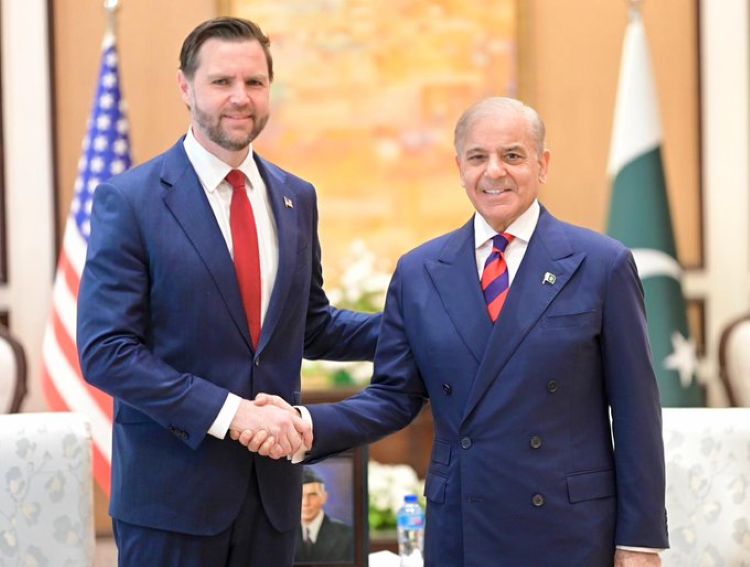
Duale further assured Kenyans that the Laikipia facility would serve both Kenyan and American citizens, adding that no one would be excluded from treatment.
“Laikipia will protect both Kenyans and the US citizens. When we had Covid, the UN, US and many other international bodies built a UN specialised hospital in Nairobi Hospital to deal with Covid, but there was no noise that time,” he said.

































Comments
Sign in with Google to comment, reply, and like comments.
Continue with Google