Doctors Without Borders (MSF) has warned that testing remains one of the biggest weaknesses in the response to the Ebola outbreak in the Democratic Republic of Congo (DRC), despite recent improvements in laboratory capacity and the deployment of hundreds of mobile testing kits in eastern DRC, limiting efforts to detect and contain infections early.
“One month on, the Ebola outbreak is moving faster than the response effort,” said Kate White, MSF’s emergency medical coordinator in DRC. “No one knows the full extent of transmission or exactly where the virus is spreading. What we do know is that treatment centres in Ituri province are overwhelmed, many patients are arriving at advanced stages of illness, and most had never been identified or monitored as contacts before seeking medical care.”
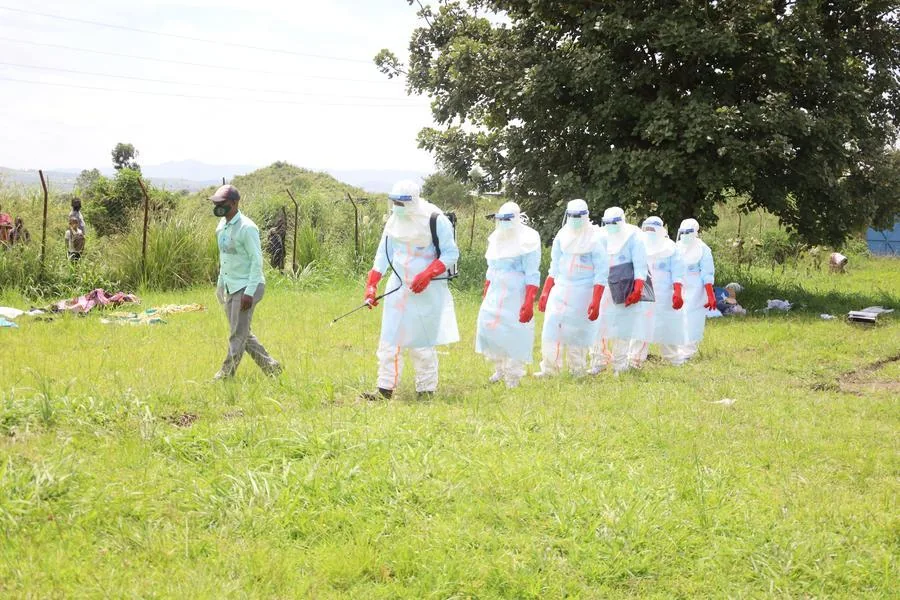
The outbreak has spread across Ituri, North Kivu, and South Kivu provinces in eastern DRC, with Ituri accounting for nearly 95 per cent of confirmed cases. The response, led by the Congolese Ministry of Health and supported by international partners, is ongoing but continues to face major operational challenges.
Persistent insecurity has made it difficult to reach some communities, while even relatively stable areas continue to experience weak case detection, limited testing capacity, and insufficient contact monitoring. Across the border in Uganda, health authorities have also reported 19 confirmed cases.
The outbreak is unfolding in communities that have already endured years of conflict, repeated displacement, weak healthcare systems and limited humanitarian support, conditions that make disease control significantly harder.
In Ituri, where MSF has operated for decades, teams have reported fear and mistrust among some communities, with residents expressing concern over the sudden arrival of Ebola response teams.
“Setting up activities and explaining the disease is not enough to earn trust,” said Frederic Lai Manantsoa, MSF emergency coordinator in DRC. “Communities need to be listened to and actively involved in shaping the response.”
MSF noted that Ebola is only one of several health emergencies affecting communities and stressed that maintaining routine healthcare services remains essential.
“Pregnant women still require maternal healthcare, children still need vaccinations, and patients continue to require treatment for malaria and cholera,” White said. “Keeping these services running also strengthens Ebola surveillance at the community level.”
Although case numbers remain lower in North Kivu and South Kivu, both provinces continue to struggle with testing and surveillance challenges. In North Kivu, only one laboratory currently processes blood samples, resulting in delays of several days. Without an automated system for delivering results to health facilities, patients can wait nearly a week before receiving confirmation.
Alongside patient treatment, MSF says it is deploying teams into remote and insecure locations to improve case detection and strengthen local response efforts.
“This outbreak can still be controlled, but the opportunity to act is narrowing,” said Lai Manantsoa. “Diagnostics, surveillance, access to care, and community engagement must be urgently strengthened. Authorities and partners must ensure health workers and supplies can move freely to deliver a response that reflects the seriousness of this crisis.”
According to the latest situation report, confirmed Ebola cases in DRC have risen to 782, including 178 deaths, after the outbreak spread into two additional health zones.
Health authorities reported 72 new confirmed cases and 29 deaths in eastern DRC, particularly in Ituri and North Kivu. The newly affected zones, Nia-Nia in Ituri and Mabalako in North Kivu, bring the total number of affected health zones to 31 across the three provinces.
Contact tracing remains a major concern. Of the 6,275 identified contacts under follow-up, only 3,548 had been reached, leaving the follow-up rate at 56.5 per cent, far below the recommended target of 95 per cent.
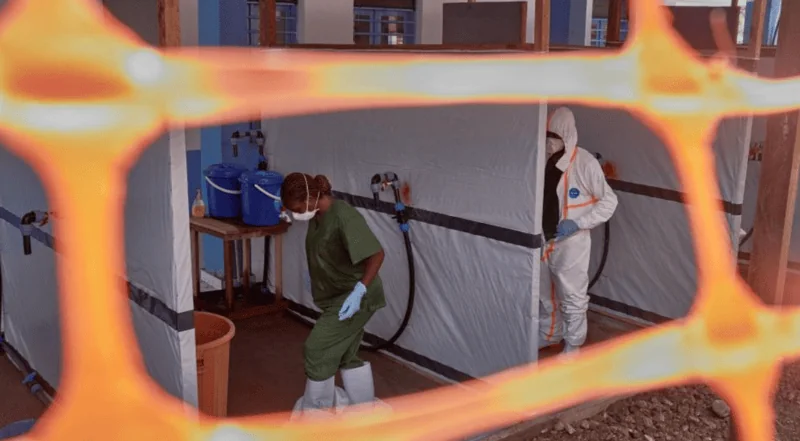
Health officials continue to cite reluctance to undergo post-mortem testing, shortages in treatment centre capacity, weak alert systems, gaps in infection prevention materials in North Kivu, and a funding shortfall of US$21.5 million as key barriers to controlling the outbreak.





































Comments
Sign in with Google to comment, reply, and like comments.
Continue with Google