Millions of people living with osteoarthritis may soon be treated with a single injection that repairs damaged joints instead of simply easing pain, according to new research by scientists from the University of Colorado Boulder.
Scientists have developed an experimental treatment that helps the body’s own cells rebuild damaged cartilage and bone. In animal studies, just one injection repaired joints within four to eight weeks, raising hopes the treatment could eventually offer an alternative to joint replacement surgery.
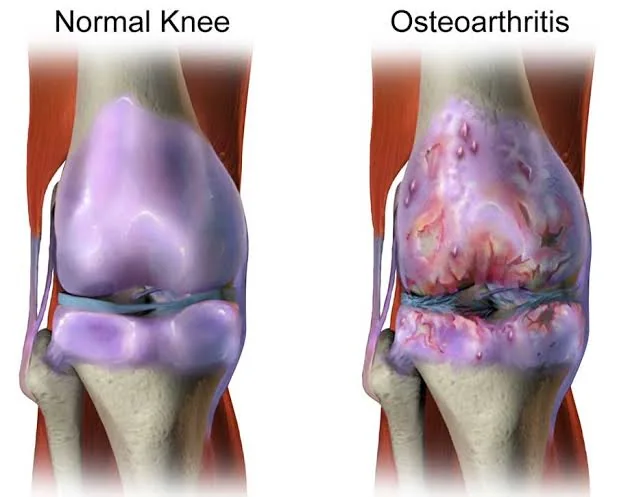
Osteoarthritis develops when the cartilage cushioning the ends of bones gradually wears away. Without this protective layer, bones rub against each other, causing pain, swelling, stiffness, and difficulty moving. The disease usually affects the knees, hips, hands, and spine and becomes more common with age.
There is no cure for osteoarthritis. Doctors can only help patients manage pain through medicines, exercise, physiotherapy, and weight control. For people with severe disease, joint replacement surgery is often the only long‑term option.
The new treatment takes a different approach. Instead of replacing damaged joints with artificial ones, it encourages the body to repair itself.
Researchers created a slow‑release drug delivery system injected directly into the damaged joint. Once inside the body, it gradually releases healing substances that stimulate cartilage and bone cells to grow and repair tissue.
In animal studies, the treatment helped joints rebuild healthy cartilage and stronger bone within one to two months after a single injection.
The scientists also tested the treatment on human joint cells collected during replacement surgeries. In laboratory experiments, the cells responded positively, showing signs they could regenerate damaged tissue.
Although these early results are encouraging, researchers stress the treatment has not yet been proven safe or effective in people.
“Our goal is not only to reduce pain or slow the disease but also to completely reverse osteoarthritis and restore healthy joints,” the researchers said.
The team is now carrying out additional animal studies to confirm safety before moving to human clinical trials. If all goes as planned, the first patient studies could begin within 18 months.
They are also developing another injectable material that acts like a tiny implant. Once injected into the joint, it stays in place and attracts the body’s own repair cells to rebuild cartilage naturally.
Scientists believe different versions of the treatment could eventually be used depending on how advanced the disease has become.
Osteoarthritis develops in stages. In the early stages, cartilage wears away slowly, often causing little or no pain. As the disease progresses, cartilage becomes thinner and rougher, making movement painful. In the final stage, most or all of the cartilage has disappeared, leaving bone rubbing directly against bone. This can cause severe pain, swelling, and loss of movement.
Because the disease worsens over time, many patients eventually struggle with everyday activities such as walking, climbing stairs, standing for long periods, or even getting out of a chair.
Experts say current treatment options leave many patients with few choices.
“Many patients are forced to choose between living with constant pain or undergoing major joint replacement surgery. There are still very few treatments that repair the damaged joint itself,” the researchers said.
Around the world, osteoarthritis is one of the leading causes of disability, particularly among older adults. As populations age and obesity rates rise, the number of people living with the disease is expected to increase significantly in the coming years.
Health experts say maintaining a healthy weight, exercising regularly, and protecting joints from repeated injuries remain the best ways to lower the risk of developing osteoarthritis. Regular physical activity strengthens the muscles around joints, reducing pressure on cartilage and improving movement.
Scientists are also investigating other promising treatments. Some studies have identified proteins that may contribute to cartilage loss with age, while others suggest medicines used to treat obesity and diabetes may help protect joint tissue.
The newly developed injection adds to growing efforts to find treatments that repair damaged joints instead of simply controlling pain.
While researchers caution that much more testing is needed before the treatment becomes available, they believe the early findings are encouraging.















































Comments
Sign in with Google to comment, reply, and like comments.
Continue with Google