Childhood memories of sickle cell disease continue to haunt comedian and entertainer Akuku Danger, whose real name is Mannerson Oduor.
He recalls the searing pain that left him in tears, the repeated hospital visits, and the fear etched on his parents’ faces as they searched for answers. Neighbours whispered that he had been bewitched, unable to understand why he was always sick.
Those memories never left him. Instead, they shaped one of the most difficult decisions of his life - vasectomy.
"To spare my children the pain I endured, I decided to have a vasectomy," he says quietly. "I didn't want another child to go through what I went through."
For Akuku Danger, the decision was not born out of a dislike for children. In fact, he says he loves them. It was a deeply personal choice informed by a lifetime of living with sickle cell disease and witnessing the emotional, physical, and financial burden it placed on his family.
His journey began long before doctors knew what was wrong.
Born in 1990, Akuku Danger spent the first seven years of his life battling unexplained episodes of excruciating pain. His eyes would often turn yellow, his joints would ache, and his parents would move from one hospital to another in search of answers.
At the time, sickle cell disease was rarely discussed in Kenya, and awareness was painfully low.
"My parents didn't know what was wrong with me," he recalls. "People thought it was witchcraft or that someone had done something to me because nobody really knew about sickle cell."
It wasn't until he was seven years old that doctors finally gave his illness a name: sickle cell disease.
Receiving the diagnosis brought clarity, but it also marked the beginning of a lifelong journey of medication, painful crises, and regular hospital visits.
Looking back, Akuku Danger says what hurt him most was not just the physical pain, but watching the people who loved him struggle alongside him.
"I saw how much I drained my parents emotionally, financially, and in so many other ways," he says. "My childhood was not fun."
Those experiences stayed with him into adulthood. Now 36, he says they ultimately influenced his decision not to have biological children.
"This is my story, not every warrior's story," he says. "But I chose not to have children because I know what this disease can do."
Instead, he hopes other couples will make informed decisions before starting a family by undergoing haemoglobin electrophoresis or genotype testing.
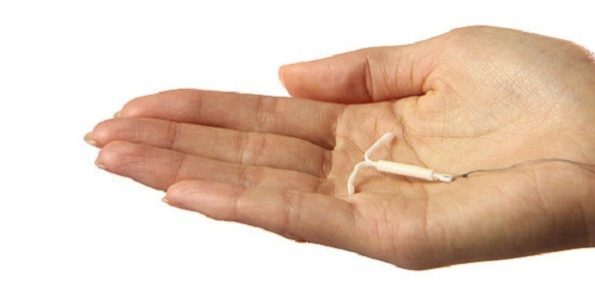
 Sickle cell disease (SCD) is a group of inherited blood disorders. (Photo: Magnific)
"Don't just do an HIV test," he says. "Know your genotype. If couples know their status early, they can avoid bringing children into the world with sickle cell disease."
Sickle cell disease (SCD) is an inherited blood disorder in which red blood cells become hard, sticky, and sickle-shaped instead of round. These abnormal cells can block blood flow, causing pain, anaemia, frequent infections, and organ damage.
A child is born with sickle cell disease after inheriting the sickle cell gene from both parents. If both parents are carriers (AS), each pregnancy has a 25 per cent chance of producing a child with normal blood (AA), a 50 per cent chance of a child who is a carrier (AS), and a 25 per cent chance of a child with sickle cell disease (SS).
Symptoms usually appear from around six months of age and include severe pain, anaemia, frequent infections, and delayed growth. Although there is no widely available cure, the disease can be managed with medications, vaccinations, blood transfusions, and regular medical care. Some patients may be cured through a bone marrow transplant.
He says prevention is important because living with sickle cell is demanding and expensive.
Every day begins with medication that he has taken since childhood and expects to continue taking for the rest of his life. Beyond the cost of medicine are regular hospital visits, special dietary needs, and the emotional toll that accompanies every painful crisis.
"It isn't cheap," he says. "I understand what parents and carers go through because I watched my own parents carry that burden."
Although access to treatment has improved compared to when he was growing up, Akuku believes Kenya still has a long way to go in providing quality care for people living with sickle cell disease.
"There are times I've gone to the hospital and had to explain to doctors the treatment I need," he says. "We need more awareness so that healthcare workers and the public understand this condition better."
Despite everything he has endured, Akuku Danger refuses to let sickle cell define his life.
Through comedy and public speaking, he has chosen laughter over despair, using his platform to challenge stigma and give hope to others living with the condition.
"I've met an 83-year-old woman living with sickle cell," he says. "That showed me this is not a death sentence."
His message to fellow warriors is simple: embrace life whenever your health allows.
"Enjoy life," he says. "If making people laugh makes you happy, do it. If dancing makes you happy, dance. If there's something you love, pursue it. Sickle cell is not the end of your story."
Speaking during the International Sickle Cell Disease Symposium at Gertrude's Children's Hospital in Nairobi, the hospital's chief executive officer, Dr Robert Nyarango, said Kenya continues to make progress in the diagnosis and treatment of sickle cell disease but warned that thousands of children are still being missed because the country lacks a universal newborn screening programme.
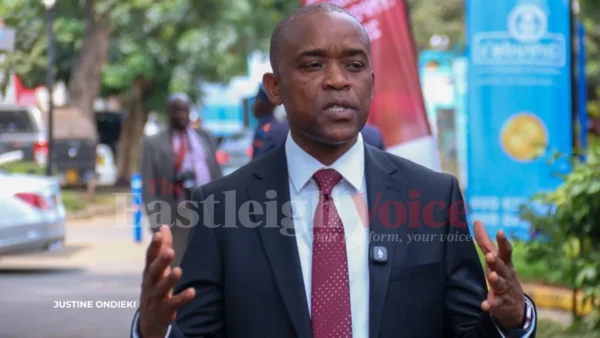 Dr Robert Nyarango, Chief Executive Officer of Gertrude's Children's Hospital in Nairobi. (Photo: Justine Ondieki)
The symposium, organised by the Sickle Cell Federation of Kenya, Gertrude's Children's Hospital, the Ministry of Health, and the American Society of Haematology, brought together experts from across Africa to explore ways of integrating sickle cell care into routine health services.
According to Dr Nyarango, an estimated 14,000 children are born with sickle cell disease in Kenya every year, yet only a small proportion are diagnosed early enough to receive life-saving treatment.
"Once children are enrolled in treatment programmes, less than 50 per cent survive beyond the age of five," he said. "In developed countries, more than 97 per cent of children are diagnosed early and over 80 to 90 per cent live well beyond five years of age, with many surviving into their 50s. In Africa, however, the average life expectancy for people living with sickle cell disease is about 25 years."
He noted that Kenya has made significant strides in expanding specialised treatment centres, including at Gertrude's Children's Hospital, Kisumu, Eldoret, and Moi Teaching and Referral Hospital. At the same time, the government has recognised sickle cell disease as part of the country's non-communicable disease agenda.
Dr Nyarango also welcomed the inclusion of sickle cell treatment under the Social Health Authority (SHA) benefits package, saying it has improved access to essential services and medicines.
However, he said early diagnosis remains the country's biggest challenge.
"We need to integrate screening either at birth or during the first vaccination clinic visit so that children are identified early and enrolled into treatment before complications develop," he said.
He added that healthcare workers at all levels should be equipped to recognise sickle cell disease, conduct diagnostic tests and ensure patients have uninterrupted access to essential medicines such as hydroxyurea, folic acid, preventive penicillin and routine vaccinations that protect against life-threatening infections.
Beyond treatment, Dr Nyarango called for intensified public awareness campaigns to combat the stigma surrounding the disease.
"Parents should never feel the need to hide a child because they have sickle cell disease," he said. "If the condition is diagnosed early and managed properly, these children can go to school, live productive lives, and reach adulthood."
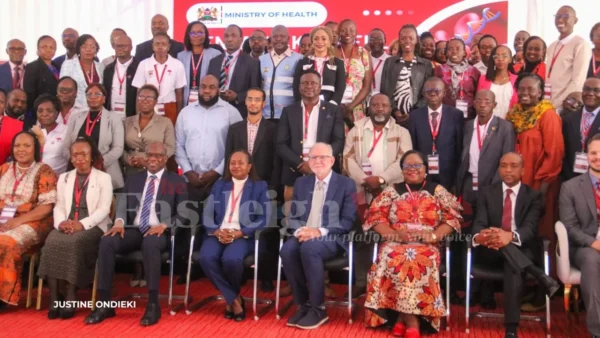 Participant during the symposium, organised by the Sickle Cell Federation of Kenya, Gertrude's Children's Hospital, the Ministry of Health, and the American Society of Haematology. (Photo: Justine Ondieki)
He also urged the government to improve the availability of hydroxyurea across public health facilities, describing it as a critical but often expensive medicine that remains out of reach for many families.
Looking ahead, Dr Nyarango announced that Gertrude's Children's Hospital is preparing to launch Kenya's first paediatric bone marrow transplant programme for sickle cell disease, with the first procedures expected within the next two months.
The hospital has established a specialised bone marrow transplant unit, trained staff and partnered with leading international transplant centres to ensure patients receive world-class care locally.
"Many Kenyan families currently have to travel to India or South Africa for bone marrow transplants," he said. "Providing this service locally will significantly reduce travel costs while making long-term follow-up care much easier."
He explained that bone marrow transplantation is a highly specialised procedure requiring patients to remain in protective isolation for between 30 and 60 days while receiving either donor stem cells from a compatible sibling or carefully prepared cells.
To make the procedure more affordable, Gertrude's Children's Hospital is engaging the Social Health Authority to secure reimbursement for part of the treatment costs.
On concerns over blood availability, Dr Nyarango said the hospital has invested in modern transfusion technologies, including red cell exchange transfusion, and has developed systems to ensure a reliable blood supply for patients with sickle cell disease and cancer who require regular transfusions.
"Blood remains a challenge nationally, but we have put systems in place to ensure our patients continue receiving the blood products they need," he said.
According to Principal Secretary for Medical Services Dr Ouma Oluga, Kenya's next major step in tackling sickle cell disease is integrating newborn screening, early diagnosis and comprehensive treatment into the country's primary healthcare system and the Social Health Authority (SHA) benefit package.
Speaking during the International Sickle Cell Disease Symposium at Gertrude's Children's Hospital in Nairobi, Oluga said the Ministry of Health is strengthening the country's health commodity supply chain to guarantee a consistent supply of essential medicines and products, including hydroxyurea, malaria prevention medicines and safe blood products, all of which are critical in the management of sickle cell disease.
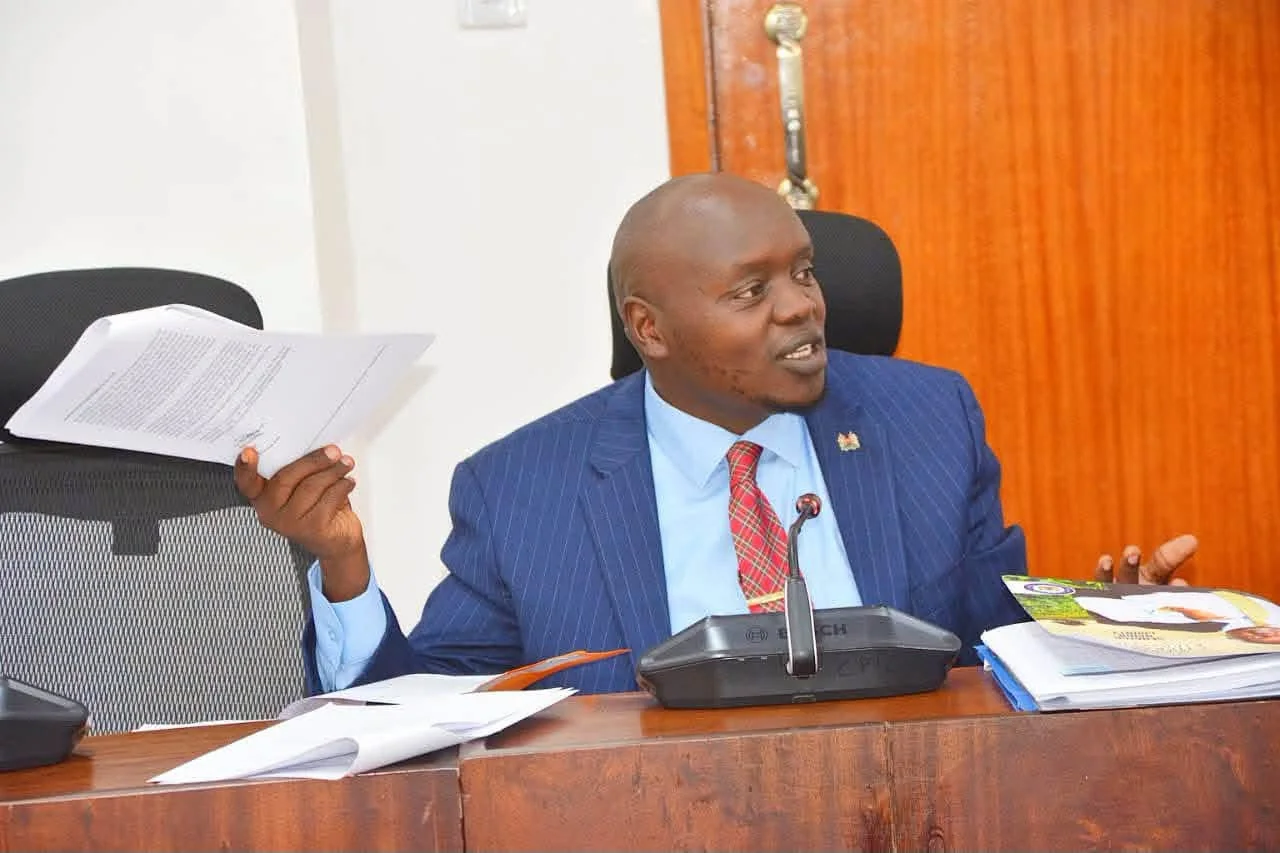
 Principal Secretary for Medical Services, Ouma Oluga. (Photo: Ministry of Health)
Despite the progress made, Dr Oluga said early diagnosis remains one of Kenya's biggest challenges and called for newborn screening to be incorporated into routine primary healthcare services.
"We are investing about Sh19 billion in primary healthcare, and I believe we can make newborn screening part of the primary healthcare benefit package," he said. "As we review the Social Health Authority benefit package, we want to include newborn screening and diagnostic services so that children are identified early and started on treatment."
He noted that the ongoing review of the SHA benefit package, led by the Benefits Package and Tariffs Advisory Panel, chaired by Professor Jaoko of the University of Nairobi, presents a timely opportunity to strengthen sickle cell care before the revised package is gazetted in October.
Rather than reimbursing medicines individually, Dr Oluga said the government is working towards a comprehensive financing model that covers the full spectrum of sickle cell care.
"We want a benefit package that enables hospitals to provide complete care instead of paying separately for hydroxyurea, malaria prevention medicines or blood. The package should be comprehensive enough to support the care our patients need," he said.
The principal secretary also highlighted the government's digitisation agenda, saying integrated electronic health records will help identify people living with sickle cell disease, improve continuity of care, support research and strengthen planning for medicines and specialised services.
"Data is not just about planning resources. It helps us understand our patients, improve research, develop new therapies, and ensure better healthcare delivery," he said.
Dr Oluga further noted that many families remain unaware of the services already covered under SHA, despite recent reforms.
He said the authority already fully covers red blood cell exchange (apheresis) for eligible sickle cell patients and expressed confidence that bone marrow transplantation, once introduced locally, will also be included under SHA coverage.
"Many families still don't know these services are covered," he said. "I do not foresee a challenge in supporting bone marrow transplants once the programme begins."














































Comments
Sign in with Google to comment, reply, and like comments.
Continue with Google