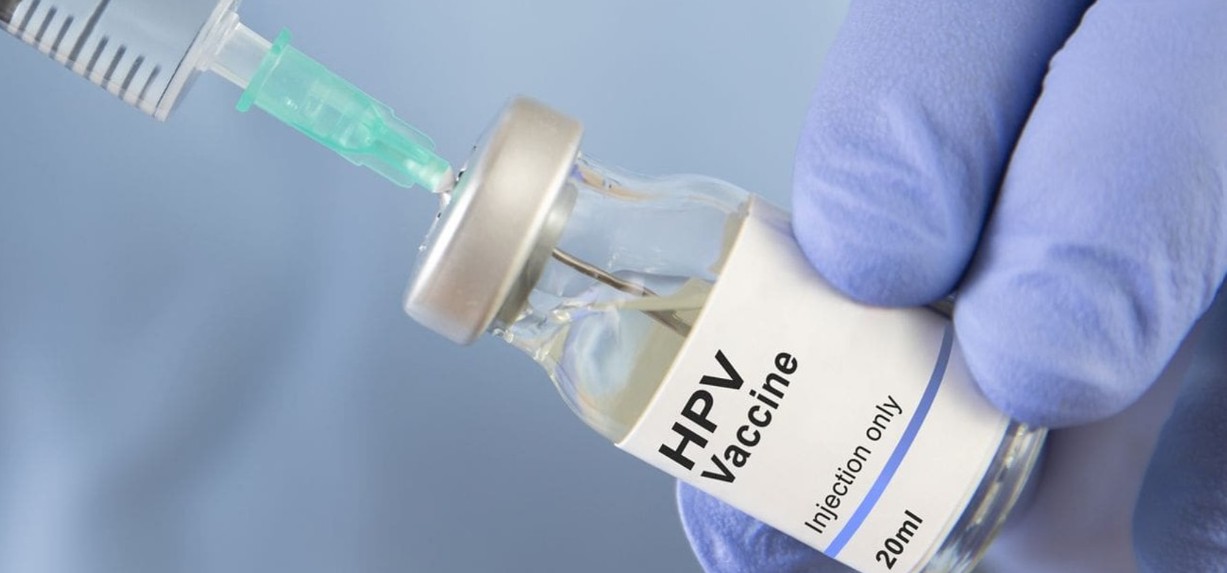
Kenya has made progress in expanding protection against cervical cancer, with 472,845 adolescent girls receiving at least one dose of the human papillomavirus (HPV) vaccine between January and June 2026, up from 258,698 during the same period in 2025, an increase of more than 80 per cent.
The latest WHO‑UNICEF Estimates of National Immunisation Coverage (WUENIC) show that approximately 69 per cent of eligible adolescent girls in the country have received a single dose of the vaccine, reflecting growing efforts to prevent one of the leading causes of cancer among women.
"Immunisation is every child's right. While we celebrate the success of the expansion of HPV vaccination in Kenya, it also serves as a challenge to redouble our efforts and close the gap to reach zero‑dose children," said UNICEF representative to Kenya, Dr Shaheen Nilofer.
The gains come at a time when the global immunisation landscape presents a mixed picture. Although childhood vaccination coverage continues to recover following disruptions caused by the COVID‑19 pandemic, millions of children are still missing out on life‑saving vaccines.
In 2025, about 90 per cent of infants worldwide, nearly 116 million children, received at least one dose of the diphtheria, tetanus and pertussis (DTP) vaccine, while 85 per cent, or around 110 million, completed the recommended three‑dose series.
Although both indicators improved by one percentage point from the previous year, global coverage remains below pre‑pandemic levels recorded in 2019 and has largely stagnated for more than a decade.
An estimated 13.5 million children received no vaccines at all during their first year of life in 2025. While this represents nearly 750,000 fewer zero‑dose children than the previous year, the gains have been offset by growing numbers of children who start vaccination but fail to complete the schedule.
In Kenya, approximately 135,000 children remained zero‑dose in 2025, meaning they did not receive a single routine vaccine during their first year of life. The figure is largely unchanged from 2024. Globally, 7.3 million infants received their first DTP dose but dropped out before receiving their first measles vaccine, exposing them to preventable diseases and increasing the risk of outbreaks.
The consequences are already evident. Global measles vaccination coverage remains at 84 per cent for the first dose and 77 per cent for the second dose, well below the 95 per cent threshold required to prevent outbreaks. Consequently, 57 countries reported large or disruptive measles outbreaks in 2025.
"Governments and health workers have helped global vaccination rates bounce back after dropping significantly during the COVID‑19 pandemic. But millions of vulnerable children are still being left unprotected due to conflict, displacement, and poverty. We must reach every child, and we must rebuild trust where it is fraying. No child should suffer from a disease that a simple vaccine can prevent," said UNICEF Executive Director Catherine Russell.
The report found that more than half of all zero‑dose children worldwide live in fragile and conflict‑affected settings, where immunisation services are often disrupted by insecurity, political instability and chronic underfunding. At the same time, several middle‑ and high‑income countries are seeing vaccination rates decline due to vaccine hesitancy, weakening political commitment and structural challenges within health systems.
"Every child, whether born into wealth or poverty, peace or conflict, deserves the life‑giving protection that vaccines provide. Immunisation is one of the most cost‑effective, most equitable, and most reliable interventions for protecting children's health and well‑being. Our greatest security begins with ensuring that everyone, wherever they may live, is protected from deadly diseases that vaccines have the power to prevent," said WHO Director‑General Dr Tedros Adhanom Ghebreyesus.
Over the past 25 years, sustained investments by governments and global health partners have reduced the number of zero‑dose children by 40 per cent, while Gavi‑supported countries now provide broader protection against vaccine‑preventable diseases than ever before.
However, health agencies warn that these gains remain fragile. Recent cuts to international health financing and weakening disease surveillance systems threaten to reverse years of progress. Only 18 national immunisation surveys were conducted and submitted in 2025, down from 50 in 2024, limiting countries' ability to identify children who are missing vaccinations before outbreaks occur.
"The historic levels of immunisation that we are seeing across lower‑income countries show what can be achieved when all stakeholders work together towards a shared objective. Our great challenge now will be to maintain this momentum in the face of funding constraints, geopolitical uncertainty and increasing outbreaks, while working harder to reach those children who still do not have access to immunisation," said Dr Sania Nishtar, Chief Executive Officer of Gavi, the Vaccine Alliance.






























Comments
Sign in with Google to comment, reply, and like comments.
Continue with Google