The number of super-rich, or ultra-high-net-worth individuals (UHNWIs), in Kenya has declined this year compared to 2025, the latest Wealth & Investment Trends report by Knight Frank has revealed.
This comes even as the country's population of high-net-worth individuals (HNWIs) continues to grow, reflecting a broadening of wealth creation but a narrowing of the wealthiest tier.
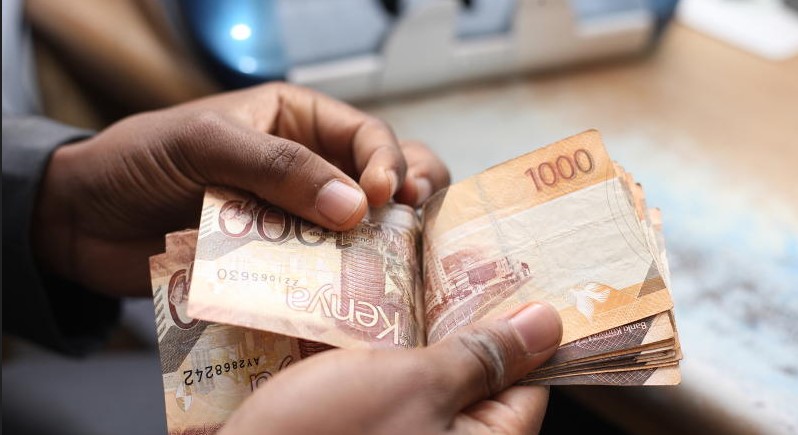
Knight Frank defines UHNWIs as individuals with a net worth of at least $30 million (Sh3.88 billion), while HNWIs are those with assets worth at least $1 million (Sh129.30 million).
According to the findings, the number of affluent Kenyans continued to rise between 2025 and 2026, with 44 per cent of wealth managers reporting growth in their HNWI client base of between 11 and 20 per cent.
This marks an improvement from 2025, when more than half of respondents reported growth of less than 10 per cent.
A further 31 per cent of respondents said their HNWI numbers increased by up to 10 per cent, pointing to sustained expansion in wealth creation across the market despite a challenging global economic environment.
At the top end of the wealth spectrum, however, the report shows a slight decline in Kenya's ultra-wealthy population.
Only six per cent of respondents reported managing portfolios valued between $501 million (Sh64.78 billion) and $1 billion (Sh129.30 billion), compared with the previous year when the same proportion managed portfolios exceeding $1 billion (Sh129.30 billion).
The report reiterates that the shift reflects a modest recalibration of the ultra-high-net-worth segment while highlighting the continued scarcity of UHNWIs in the country, where extreme wealth remains concentrated among a small group of individuals.
Investor confidence, however, remains strong heading into the rest of 2026.
More than half of respondents, representing 54 per cent, expect a marginal increase in wealth during the year, while 25 per cent anticipate wealth growth of more than 10 per cent.
Only four per cent expect a slight decline in wealth, while eight per cent foresee a significant reduction.
“The sustained optimism is partly supported by improved macroeconomic stability, particularly Kenya’s relative currency resilience,” reads the report.
It highlights that the Kenyan shilling's stability at around Sh129 against the US dollar since mid-2024, supported by strong diaspora remittances, record foreign exchange reserves and increased capital inflows from Eurobond issuances, has eased imported inflation, improved business predictability and strengthened investor confidence.
















































Comments
Sign in with Google to comment, reply, and like comments.
Continue with Google