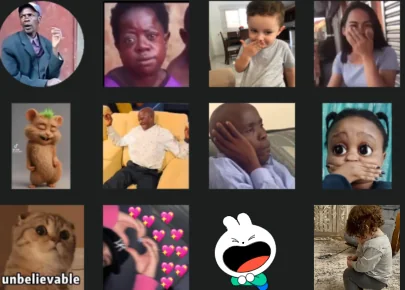
A laughing cartoon face, a dancing meme, a football reaction GIF, or a cropped photo of a friend making a funny expression—these are no longer just internet jokes. They have become a core part of everyday digital communication.
What started as a simple feature in messaging apps has evolved into a global visual language, reshaping how millions of people express emotions, humour, sarcasm, and reactions in online conversations.
Now, social media giant TikTok is gradually embracing similar sticker-style communication features, highlighting the growing influence of sticker culture beyond traditional messaging platforms.
The rise of sticker culture
Before stickers became mainstream, online communication largely depended on text messages, emojis, and GIFs. But as smartphones and social media evolved, users increasingly shifted toward faster, more visual forms of expression.
Digital communication experts trace modern sticker culture back to Japanese messaging platforms in the late 1990s and early 2000s, particularly apps like Line, which popularised illustrated “stamps” as a new way to communicate emotions. The idea later spread globally as platforms searched for more expressive communication tools.
Over time, major platforms such as Facebook Messenger, Telegram, and others introduced sticker packs. WhatsApp’s rollout of stickers in 2018 brought the feature to billions of users worldwide, accelerating mainstream adoption.
The impact was immediate. Unlike emojis, stickers allowed users to communicate with larger, more expressive visuals, blending humour, local culture, internet memes, and personalised reactions. Users could now create or download sticker packs featuring celebrities, politicians, footballers, viral moments, and even personal photos.
From emojis to personalised reactions
In Kenya and across much of Africa, stickers have become deeply embedded in everyday online conversations, especially in group chats. For many users, a well-chosen sticker can fully replace a typed response or even an emoji, offering a more expressive and relatable reaction.
WhatsApp groups have increasingly become spaces where conversations happen visually rather than through text. Political memes, Sheng expressions, football banter, and clips from local TV shows are commonly used as reaction content.
In some cases, users now communicate almost entirely through stickers and GIFs.
Technology analysts say stickers have gained popularity because they combine emotion, humour, and speed in a way text messages often cannot match.
Static stickers, GIFs, and animated reactions
Today’s sticker ecosystem includes several forms of visual communication. Static stickers are image-based reactions used in chats, while animated stickers add motion and short looping effects.
GIFs, meanwhile, are short looping video clips often taken from movies, interviews, sports moments, or viral internet content.
Messaging apps have also made it easier for users to create custom stickers from personal photos, screenshots, or memes, further personalising digital conversations.
TikTok’s growing interest
TikTok’s gradual adoption of sticker-style interaction features reflects a broader shift toward visual-first communication, especially among younger users.
Already driven by short-form video and viral trends, the platform is now increasingly integrating visual reaction tools that mirror how people communicate in messaging apps.
Industry observers say social media companies are competing to make online interactions faster, more expressive, and more engaging.
For younger audiences in particular, stickers and GIFs are becoming more than just features—they are part of digital identity and internet culture.
As online communication continues to evolve, stickers are increasingly replacing lengthy text replies with faster, more emotional, and culturally relevant visual reactions.
What began as a niche messaging feature has now grown into one of the internet’s most recognisable forms of expression. And with TikTok joining the trend, the sticker era appears set to expand even further across global social media platforms.










































Comments
Sign in with Google to comment, reply, and like comments.
Continue with Google